
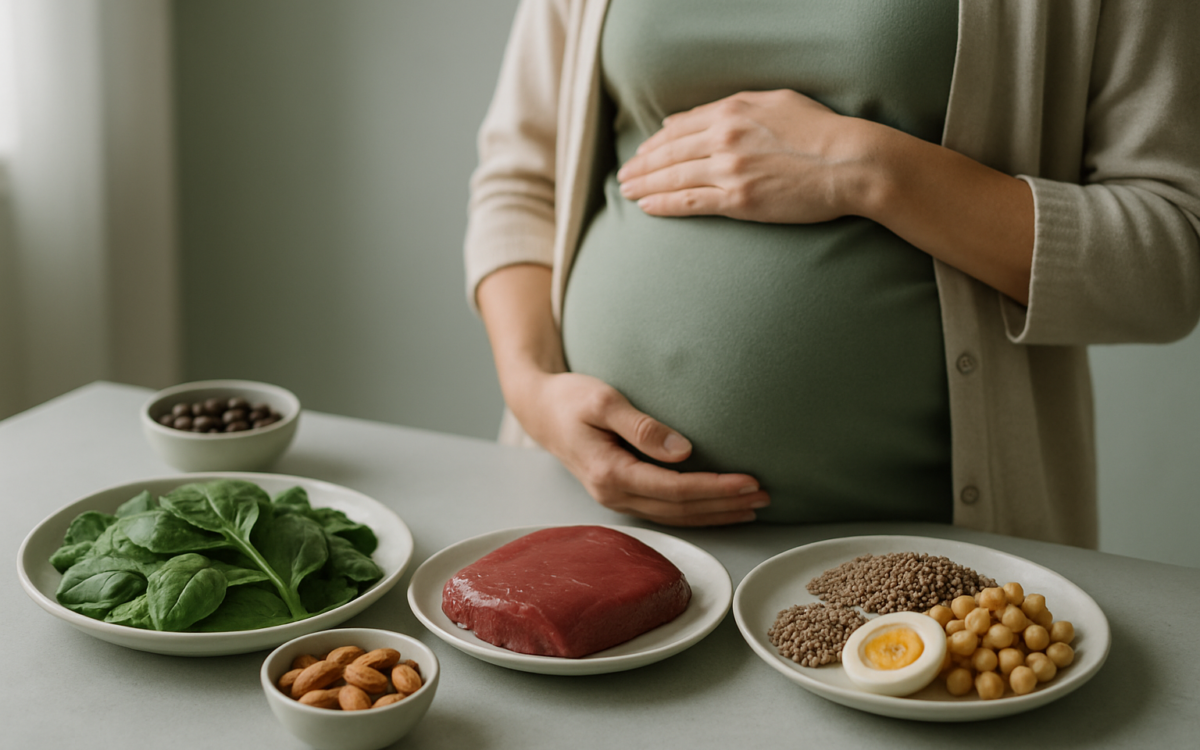
Pregnancy is a beautiful and transformative time in a woman’s life. However, it also brings unique nutritional needs, particularly when it comes to iron. Adequate iron intake during pregnancy is crucial, as it supports the increased blood volume and aids in the healthy development of the fetus. In this article, we’ll explore why iron is vital for pregnant women, the best sources of dietary iron, and tips on how to incorporate these foods into your daily meals.
Why Is Iron Important During Pregnancy?
Iron plays a significant role in many bodily functions, especially during pregnancy. Here are a few key reasons why it is essential:
- Supports Increased Blood Volume: During pregnancy, a woman’s blood volume increases significantly, requiring more iron to produce additional hemoglobin, the protein in red blood cells that carries oxygen.
- Fetal Development: Iron is critical for the development of the baby’s organs and systems. Adequate iron levels help prevent developmental issues.
- Prevents Anemia: Iron deficiency can lead to anemia, a condition characterized by fatigue and weakness. Pregnant women with anemia may have a higher risk of complications during delivery.
Recommended Iron Intake
The recommended daily allowance (RDA) for iron during pregnancy is approximately 27 milligrams. This amount is higher than the requirement for non-pregnant women, approximately 18 milligrams, due to the increased demands of pregnancy. It’s essential to meet this requirement through dietary sources, as well as iron supplements if recommended by a healthcare provider.
Types of Dietary Iron
There are two types of dietary iron: heme and non-heme.
- Heme Iron: This type of iron is found in animal products and is more easily absorbed by the body. Sources include red meat, poultry, and fish.
- Non-Heme Iron: Found in plant-based foods, non-heme iron is less readily absorbed. It includes sources like legumes, grains, nuts, and vegetables.
Top Iron-Rich Foods for Pregnant Women
Incorporating a variety of iron-rich foods into your diet is vital for meeting your iron needs during pregnancy. Here are some of the best options:
Animal Sources
- Red Meat: Beef and lamb are packed with heme iron and offer a good source of protein.
- Poultry: Chicken and turkey are excellent sources of heme iron, especially the darker meats.
- Fish: Fish such as tuna and salmon provide iron along with other essential nutrients.(NLM)
Plant Sources
- Legumes: Lentils, chickpeas, and beans are high in non-heme iron and also provide fiber and protein.
- Spinach: This leafy green is rich in iron and other vitamins, perfect for salads or smoothies.
- Nuts and Seeds: Almonds, cashews, and pumpkin seeds can be tossed into snacks or meals for an iron boost.
- Fortified Foods: Many cereals and bread are fortified with iron, making it easier to meet daily requirements.
Enhancing Iron Absorption
To maximize iron absorption from the foods you eat, consider the following tips:
- Pair with Vitamin C: Consuming Vitamin C-rich foods such as citrus fruits, tomatoes, or bell peppers alongside iron-rich foods can enhance non-heme iron absorption.
- Avoid Calcium and Tannins: High calcium foods and beverages like milk or tea can inhibit iron absorption. Consider spacing these out.
- Cook with Cast Iron: Cooking in cast iron pans can increase the iron content of foods, particularly acidic dishes like tomato sauce.
Iron Supplements During Pregnancy
In some cases, dietary intake may not be enough to meet the daily iron requirements. Some women may require iron supplements during pregnancy, especially if they have a history of iron deficiency or anemia. Always consult your healthcare provider before starting any supplement regimen, as excessive iron intake can lead to other health complications.
When to See a Doctor
If you experience symptoms like fatigue, weakness, or pale skin, it is essential to consult your doctor. Regular prenatal check-ups should include blood tests to monitor iron levels, ensuring you maintain a healthy balance throughout your pregnancy.
In summary, understanding the importance of iron and finding ways to include iron-rich foods in your diet is critical for a healthy pregnancy. By focusing on a balanced diet that incorporates both heme and non-heme iron sources, you’ll not only help yourself but also provide essential nutrients for your developing baby. Remember to discuss any dietary changes or supplement use with your healthcare provider to ensure the best outcomes for you and your child.
