
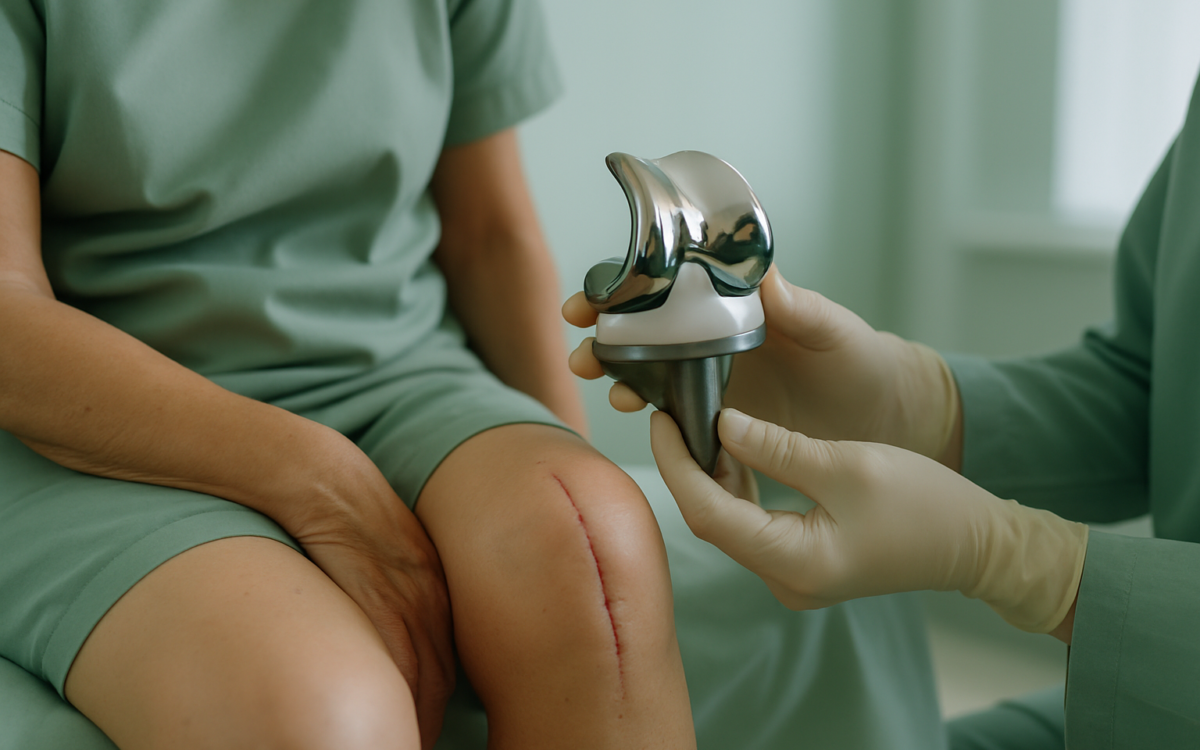
When considering knee joint replacement surgery, many people have a lot of questions. What does the procedure involve? What will my knee look like before and after surgery? And what can I expect during recovery? This article aims to shed light on these queries through a visual journey, highlighting the transformative process that knee joint replacement offers.
What is knee joint replacement?
Knee joint replacement, also known as knee arthroplasty, is a surgical procedure aimed at relieving pain and restoring function in knees damaged by arthritis or injury. During the operation, the diseased or worn-out parts of the knee are removed and replaced with artificial components. These components can be made of metal, plastic, or a combination of materials. For patients suffering from severe pain and limited mobility, this procedure can drastically improve their quality of life.
Understanding the procedure through photos
Many people find comfort in understanding what to expect from surgery by looking at photos. Initial images often depict the pre-operative state of the knee, showcasing the wear and tear that leads to the decision for surgery. Within this sequence, a series of images reveal the surgical process:
- Pre-operative images: These photos show the anatomy of a damaged knee joint, which can help patients understand their condition.
- Surgical intervention: Visuals during surgery capture the precise steps taken, including the removal of damaged cartilage and bone.
- Post-operative images: After the procedure, photos show the new knee joint in place, which may appear significantly different from the natural knee.
These images help demystify the surgery and can ease anxiety about the unknown aspects of the operation.
Expectations for recovery
The recovery process following knee joint replacement can vary from person to person but generally involves similar milestones. Early photos taken during recovery might depict patients participating in physical therapy, which is crucial for regaining mobility. It’s important to remember that the recovery journey might come with some discomfort, swelling, and bruising, which are normal parts of the healing process.
Your rehabilitation story
Many patients share their experiences through images, illustrating various stages of recovery. In the early days, these snapshots may show patients using crutches or a walker, indicating their progress. Over time, these photos evolve to show patients returning to activities they enjoy, be it walking in the park, gardening, or even jogging.
As you navigate your rehabilitation, remember that everyone heals at their own pace. Listening to your body and working closely with your healthcare team can greatly influence your recovery.
International perspectives: A global recovery journey
For those considering traveling abroad for knee joint replacement, it’s important to understand the global options available. Many patients seek treatment in countries known for advanced orthopedic care, such as Turkey. Acibadem International is one such facility renowned for its quality care, modern techniques, and experienced medical professionals. Pursuing treatment abroad can sometimes offer cost benefits as well, making it an appealing option for many.
Visual resources for support
Many hospitals and medical organizations provide a wealth of visual resources to support patients. You can find informative images on reputable health websites, which can depict what surgery looks like, the type of implants used, and what to expect during recovery. The National Institutes of Health offers visual aids that can help educate potential knee replacement patients about the procedure through their public health resources (NIH).
Additionally, patient organizations often share personal photos and stories, which can be a source of encouragement and insight. These images can show realistic portrayals of pre- and post-surgical experiences, helping patients visualize their own journey.
When to see a doctor
If you’re experiencing persistent knee pain, swelling, or difficulty moving your knee, it may be time to talk to your doctor. Early intervention can lead to better outcomes, whether through surgical or non-surgical means. Your healthcare provider can assess your symptoms, help you understand your options, and determine if a knee joint replacement is right for you.
Conclusion
Knee joint replacement can be a transformative procedure, offering relief and improved mobility for those suffering from chronic knee pain. By looking at knee joint replacement photos and understanding the process, you can feel more prepared as you embark on this journey. Remember, the path to recovery may involve challenges, but with patience, proper care, and support, many patients experience a quality of life that they thought was lost.
