
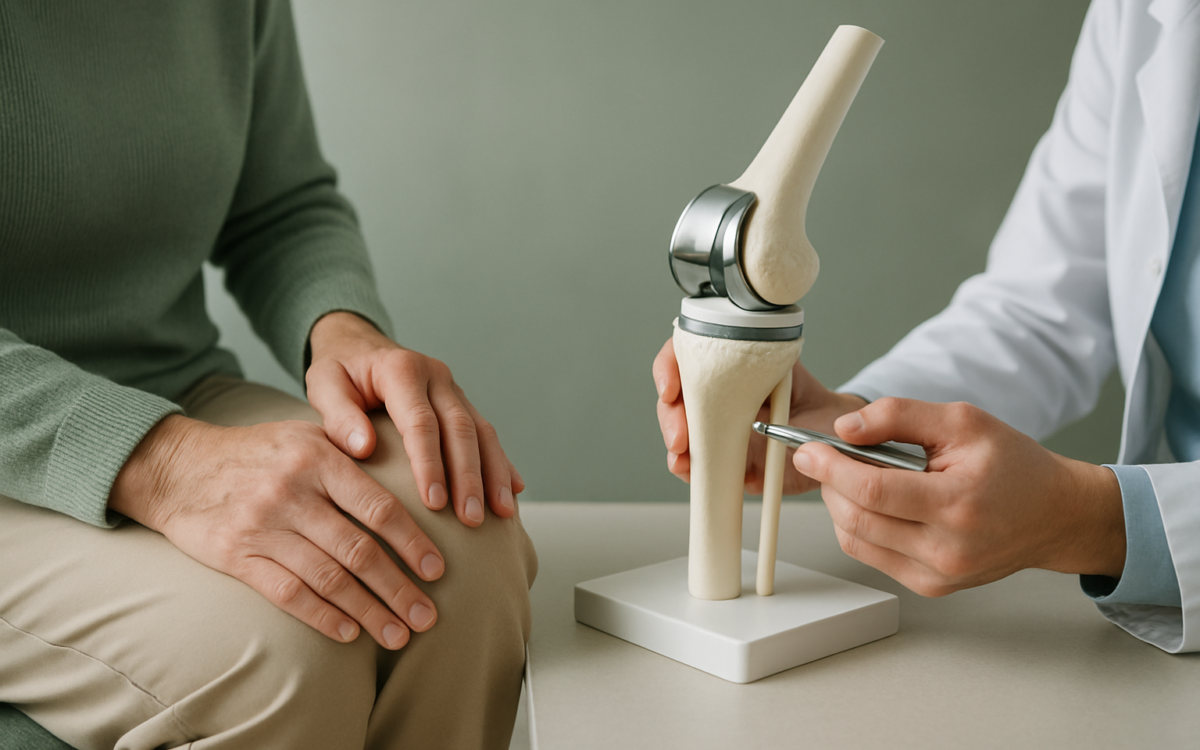
Knee replacement surgery, also known as knee arthroplasty, is a procedure that has helped millions of individuals regain their mobility and improve their quality of life. When non-surgical treatments for knee pain fail, this surgery often becomes a viable option for those suffering from conditions like osteoarthritis or severe knee injuries. But what exactly does this procedure entail, and who needs it? Let’s dive into the details to give you a clearer picture.
What is a knee replacement?
A knee replacement involves surgically removing damaged or worn parts of the knee joint and replacing them with artificial components. This can involve either partial or total replacement. In a total knee replacement, the surgeon removes the entire knee joint, including the ends of the thigh bone (femur) and the shin bone (tibia), as well as the kneecap (patella). These structures are then replaced with metal and plastic parts designed to mimic the function of a natural knee joint.
Why do people need knee replacement surgery?
Many individuals may consider knee replacement when they experience significant pain and disability that does not improve with other treatments. The most common reasons for knee replacement include:
- Osteoarthritis: A degenerative joint disease that causes the cartilage in the knee to wear away, leading to pain and stiffness.
- Rheumatoid arthritis: An autoimmune condition that can lead to inflammation and damage to the knee joint.
- Post-traumatic arthritis: This can develop after a serious knee injury, such as fractures or ligament tears, that may worsen over time.
- Other disorders: Conditions like avascular necrosis or knee deformities may also warrant a knee replacement.
The knee replacement procedure
The knee replacement procedure typically takes about two hours and is performed under general anesthesia or regional anesthesia. Here’s a brief overview of the process:
- Preoperative Assessment: Before surgery, doctors will conduct a thorough assessment, including X-rays and physical examinations, to evaluate knee damage.
- Surgical Technique: The surgeon will make an incision on the front of the knee, remove the damaged bone and cartilage, and prepare the bone surfaces to receive the new components.
- Placement of Components: Artificial components are implanted, and the new joint is tested for movement and stability before closing up the incision.
- Recovery Room: Following surgery, patients are monitored in a recovery room until they are stable enough to be moved.
Recovery after knee replacement
Recovery from knee replacement involves several stages:
- Initial Recovery: Patients usually stay in the hospital for 1 to 3 days post-surgery before being discharged to home or rehabilitation facilities.
- Physical Therapy: Physical therapy is essential to strengthening the knee and restoring full function. Most patients start therapy within a day after surgery.
- Long-term Rehabilitation: Full recovery may take several months, and many patients will notice significant improvement in their knee function within three to six months after surgery.
To ensure effective recovery, following your healthcare provider’s instructions is crucial. Pain management and rehabilitation exercises will be a core part of your recovery plan.
Potential risks and complications
As with any surgical procedure, knee replacement comes with risks, including:
- Infection: Infection at the site of surgery or within the joint may occur, requiring additional treatment.
- Blood clots: There is a risk of blood clots forming in the legs after surgery, which can be serious if they travel to the lungs.
- Knee stiffness: Some patients may experience stiffness after surgery, making it difficult to fully bend or straighten the knee.
- Implant failure: Over time, the implant may wear out or become loose, possibly requiring revision surgery.
Discuss these risks with your doctor during your pre-operative appointment to understand your individual circumstances.
When to see a doctor
If you’re experiencing ongoing knee pain, swelling, and difficulty with daily activities, it may be time to consult a doctor. Signs that you may need to seek professional advice include:
- Persistent pain that does not improve with rest or over-the-counter medications.
- Swelling in the knee joint that does not go down.
- Difficulty walking or climbing stairs.
- Stiffness or decreased range of motion.
Only a healthcare professional can evaluate your situation and recommend the best course of action for your knee health.
Conclusion
Knee replacement surgery can provide relief to those suffering from chronic knee pain and improve their quality of life. Understanding the procedure, recovery process, and potential risks can help patients make informed decisions. If you think you may need a knee replacement, reach out to your healthcare provider to discuss your concerns and explore your options.
For more information on knee replacement and related topics, consider visiting reputable sources such as the National Institutes of Health or the Mayo Clinic.
