
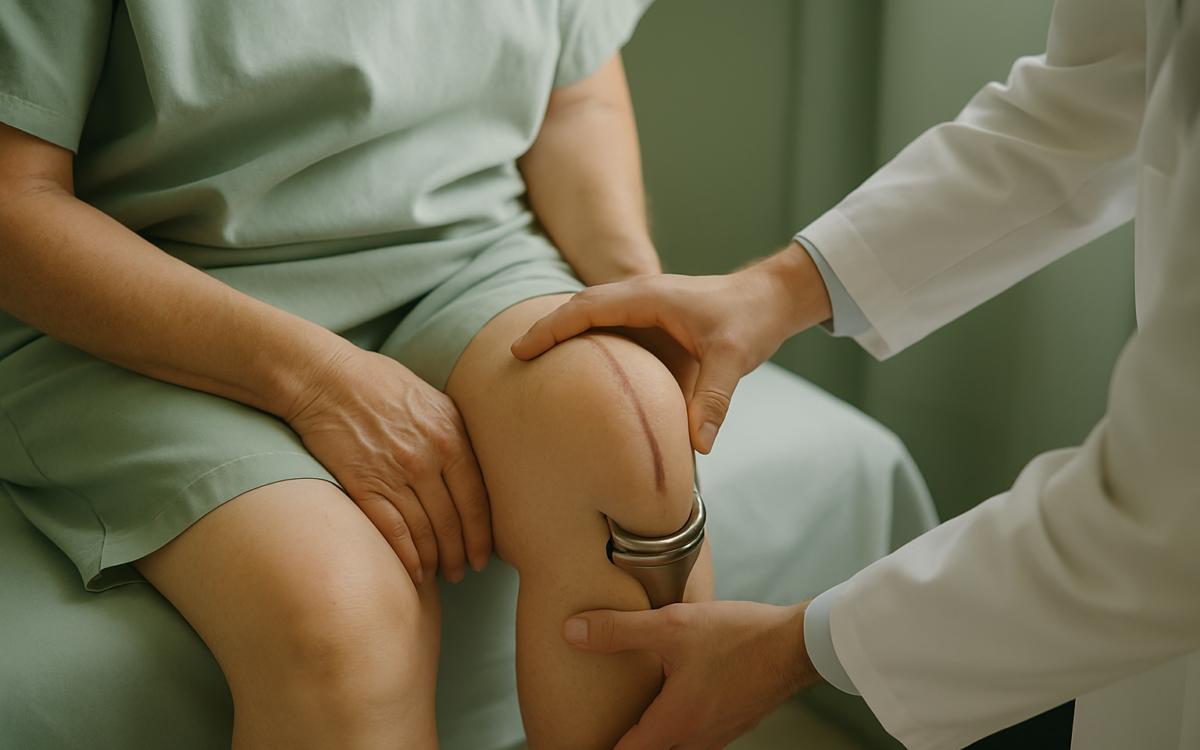
Knee replacement surgery is a significant procedure that can profoundly change a person’s quality of life. For those suffering from arthritis or severe joint damage, the idea of undergoing knee replacement can seem daunting. But understanding what to expect and seeing real images from the process can help ease anxiety and provide a clearer picture of the journey ahead.
What Is Knee Replacement Surgery?
Knee replacement surgery, also known as arthroplasty, involves removing damaged cartilage and bone from the knee joint and replacing it with artificial components. This surgery can be a total knee replacement, which replaces all three compartments of the knee, or a partial knee replacement, which only addresses one compartment. The aim of the surgery is to relieve pain, restore function, and improve mobility.
The Need for Knee Replacement
Many people consider knee replacement when conservative treatments, such as physical therapy, medication, or injections, no longer provide relief from pain. Conditions leading to knee replacement typically include:
- Osteoarthritis, a degenerative joint disease
- Rheumatoid arthritis, an autoimmune condition
- Post-traumatic arthritis, following an injury
- Osteonecrosis, where blood flow to the bone is disrupted
According to the National Institutes of Health, total knee replacements have become one of the most common surgeries performed in the United States, with hundreds of thousands of procedures performed annually.
The Surgical Process
Knee replacement surgery is performed in a hospital setting and typically lasts one to two hours. Here’s a brief overview of what happens:
- Preparation: The patient is given anesthesia to ensure comfort during the surgery.
- Accessing the Joint: The surgeon makes an incision over the knee to access the joint.
- Removing Damaged Tissue: Damaged bone and cartilage are removed and the remaining joint surfaces are prepared for the artificial parts.
- Implantation: Artificial components are then fixed in place using bone cement or screws.
- Closure: The incision is closed with stitches or staples, and a dressing is applied.
During this process, photos and illustrations can provide valuable insights. Most patients receive informational materials that include knee replacement pics showing various stages of the surgery and recovery.
Recovery After Knee Replacement
Recovery varies from person to person, but here’s a general timeline of what to expect:
First Few Days
Immediately following surgery, patients may stay in the hospital for a few days for monitoring. During this time, physical therapy often begins to help restore strength and flexibility.
Weeks 1 to 4
In the first month, patients typically transition to home care. Physical therapy continues to play a crucial role as exercises are introduced to strengthen the knee. This period can be assisted by the use of knee replacement pics to track progress and encourage motivation.
Months 2 to 6
By this stage, most patients are significantly reducing their reliance on assistive devices like crutches or walkers. Activities of daily life become easier as strength returns. Continued rehabilitation is essential during this phase.
6 Months and Beyond
Full recovery can take up to a year or longer, and patients are encouraged to remain active while also listening to their bodies. Many can return to favorite hobbies, including sports, after adequate healing.
Visual Insights: Knee Replacement Pics
One of the most sought-after resources for potential knee replacement patients is visuals to understand the steps involved. Knee replacement pics can range from pre-surgery consultations to images of the surgery itself and recovery milestones.
The Importance of Seeing Real Images
When preparing for knee replacement, seeing real-world examples can demystify the process:
- Understand the Equipment: Images showing the artificial implants can help patients identify what will be placed in their bodies.
- Patient Experiences: Before-and-after photos of patients can motivate individuals, showcasing the potential for improved mobility and pain relief.
- Surgical Techniques: Footage of parts of the surgery, albeit often graphic, serves as a form of education for those curious about what to expect.
Several reputable medical sites offer educational resources that include knee replacement pics. For detailed resources, visit the Cleveland Clinic or Mayo Clinic.
Emotional Aspects of the Journey
The process of preparing for knee replacement surgery isn’t just physical; emotional support is equally vital. Many patients express feelings of anxiety, fear, or uncertainty regarding the procedure. Communicating these feelings with family, friends, or healthcare providers can be beneficial.
Building a Support Network
Before undergoing surgery, consider building a support network that includes:
- Family members who can assist in recovery
- Friends who can provide encouragement
- Healthcare providers who can address questions and concerns
Support groups and online forums also provide avenues for sharing experiences, which can be incredibly helpful for coping with the emotional dynamics of the surgery.
When to See a Doctor
It’s essential to communicate with a healthcare provider if you experience symptoms such as:
- Severe knee pain that limits mobility
- Swelling that does not improve with rest
- Stiffness that does not allow for normal movement
Consult your doctor to discuss whether knee replacement surgery may be a suitable option for your condition.
Conclusion
Knee replacement surgery can significantly enhance one’s quality of life. By understanding the procedure, recovery process, and emotional aspects, and by leveraging visual resources, patients can feel empowered on their journey to recovery. Always consult with a healthcare professional for personalized advice tailored to your specific circumstances.
