
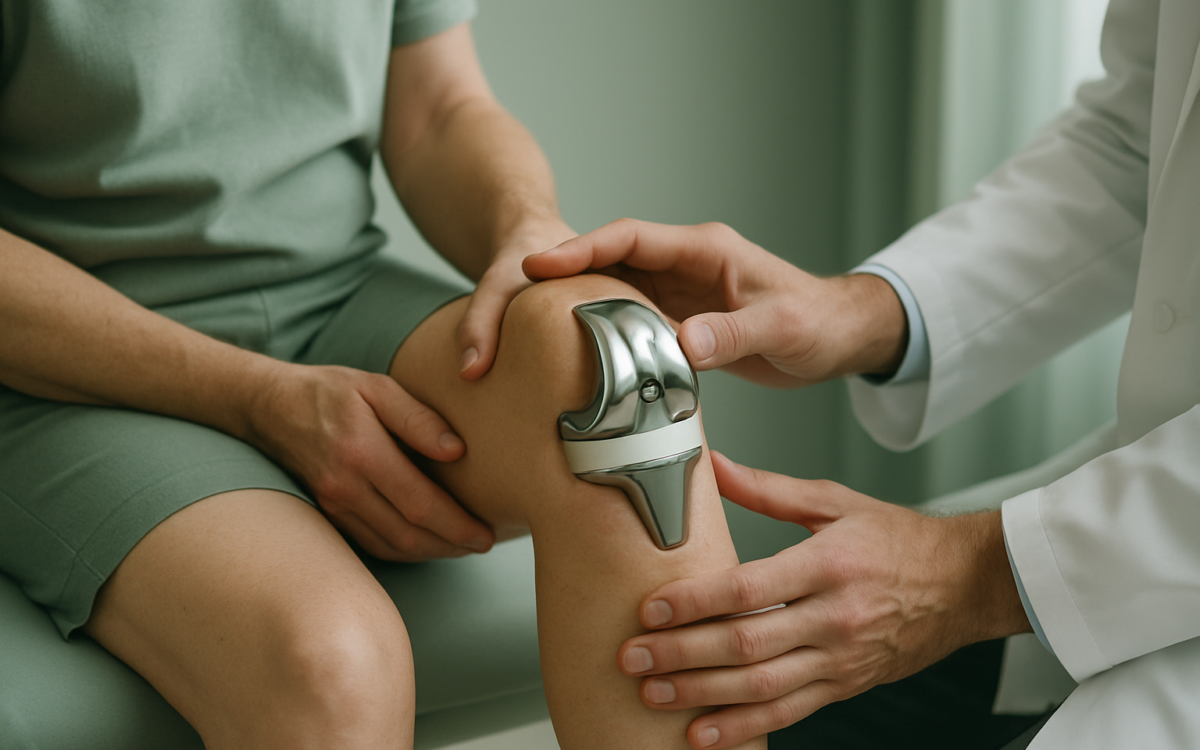
Knee replacement surgery, also known as knee arthroplasty, is a common procedure for people suffering from severe knee pain. This operation can provide significant relief and improve mobility. If you’re curious about what knee replacement entails, including its benefits and recovery, images can help paint a clearer picture of the procedure.
What Is Knee Replacement Surgery?
Knee replacement surgery involves removing damaged cartilage and bone from your knee joint and replacing it with artificial components. This procedure is typically considered when other treatments, such as physical therapy or medications, fail to relieve pain and improve function.
The Need for a Knee Replacement
People often seek knee replacements due to conditions like osteoarthritis or rheumatoid arthritis. The following are some common reasons:
- Chronic Pain: Ongoing knee pain that doesn’t improve with non-surgical treatments can be a primary reason.
- Joint Deformity: Deformities such as bow-legged or knock-kneed alignment can cause significant discomfort.
- Loss of Range of Motion: Difficulty bending or straightening the knee can severely impact daily activities.
Preparing for Surgery
Before undergoing knee replacement surgery, patients will meet with their orthopedic surgeon to discuss expectations and the surgical process. Some key preparatory steps might include:
- Medical Evaluation: A thorough examination, including imaging tests like X-rays or MRIs, will be conducted.
- Blood Tests: These help ensure you’re healthy enough for surgery.
- Physical Therapy: Preoperative therapy may be recommended to strengthen the muscles around the knee.
What Happens During the Surgery?
During knee replacement surgery, the surgeon makes an incision over the knee to access the joint. They’ll remove the damaged parts and secure the artificial joint using cement or special coatings that allow bone to grow into the implant. Images from various angles can help demystify this complex process, offering clear visuals of the procedure.
Typical Images You Might Encounter
Images of knee replacement surgery typically include:
- Before and After Diagrams: Illustrations showing the anatomy of a normal knee versus a damaged knee.
- Surgical Positions: Photos or diagrams depicting how patients are positioned on the operating table.
- Implant Types: Images of different types of knee implants, illustrating advancements in technology.
Recovery After Knee Replacement
After surgery, recovery begins immediately. Patients may stay in the hospital for 1-3 days, depending on their specific case. Rehabilitation is crucial during this phase:
- Physical Therapy: Physical therapy will start shortly after surgery to regain mobility and strength.
- Pain Management: Addressing pain is critical to adhere to the rehabilitation process.
- Follow-Up Appointments: Regular check-ups are necessary to monitor healing and address any concerns.
Long-Term Outcome and Expectations
The majority of patients experience substantial improvements in pain and function after knee replacement surgery. Many can return to normal activities and some low-impact sports. The implants are durable, often lasting over 15 years in most individuals.
Challenges and Considerations
Even though knee replacements have high success rates, it’s essential to acknowledge potential challenges:
- Infection: Post-surgical infections, while rare, can complicate recovery.
- Blood Clots: Patients are at risk for blood clots after the surgery, so preventive measures are necessary.
- Implant Issues: While uncommon, some individuals may experience problems with the implant over time.
When to See a Doctor
If you experience any of the following, it’s advisable to consult your doctor:
- Persistent or increasing pain despite following recovery protocols.
- Swelling around the knee that does not subside.
- Signs of infection, such as fever or unusual drainage.
Conclusion
Knee replacement surgery can significantly enhance the quality of life for those with severe debilitating knee pain. Understanding the procedure, recovery process, and potential long-term outcomes can help patients make informed decisions. For more detailed information, consult reputable resources such as the NIH or Mayo Clinic. If you’re considering this procedure, open communication with your healthcare team is key to achieving the best results.
