
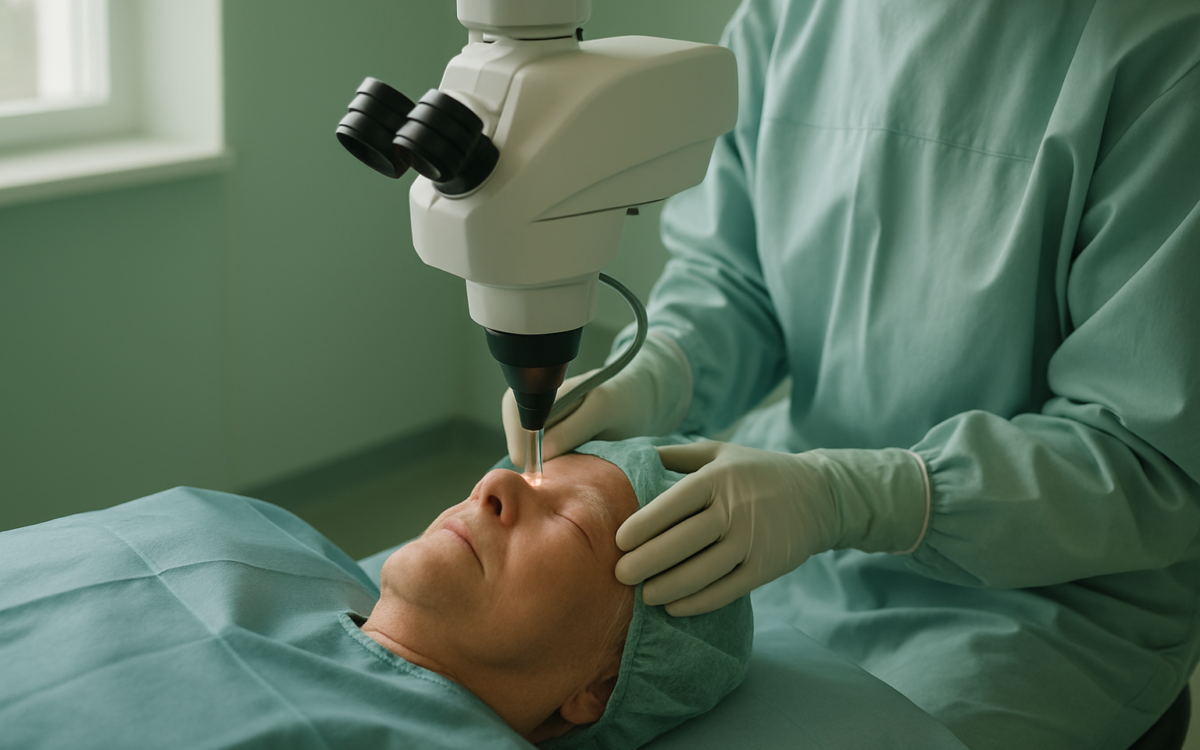
Cataracts are a common vision problem, especially as we age. They can make your world feel cloudy, dim, or blurred, affecting daily activities like reading, driving, or enjoying time outdoors. For many, cataract surgery is the way to restore clear vision. Today, laser cataract surgery is becoming a popular choice among patients and surgeons. This innovative technique not only helps in lens replacement but also offers improved precision in the surgical process.
What is laser cataract surgery?
Laser cataract surgery is a modern advancement in the traditional cataract removal procedure. It utilizes a specialized laser to break up the cloudy lens of the eye, making it easier to remove. This method can provide greater accuracy and potentially quicker recovery times compared to traditional methods, where a surgical blade is used.
How does the surgery work?
The laser cataract surgery process generally involves a few key steps:
- Preparation: Before surgery, your eye doctor will perform a thorough examination of your eyes. You’ll discuss your options, and imaging tests will be conducted to map the structure of your eye.
- Laser treatment: On the day of surgery, numbing drops are applied to your eyes. The surgeon then uses the laser to create small incisions in the cornea, break up the cataract, and soften the cloudy lens. This precision allows for a less invasive procedure.
- Lens replacement: After the cataract is removed, a clear artificial lens is implanted to help restore vision. This lens is chosen based on your specific vision needs.
- Recovery: The entire procedure typically takes about 15-30 minutes, and many patients notice improved vision shortly after.
Benefits of laser cataract surgery
Laser cataract surgery offers several advantages over traditional surgery:
- Precision: The laser provides enhanced accuracy in cutting and breaking up the cataract, which can lead to better outcomes.
- Less risk of complications: The minimally invasive technique may reduce the risk of complications associated with blade surgeries such as excessive bleeding.
- Faster recovery: Patients often experience quicker healing times, allowing them to return to their daily activities sooner.
- Customized treatment: The pre-surgery imaging and mapping allow for a personalized approach tailored to your specific eye anatomy.
What to expect after surgery
After the laser cataract surgery, it is common to experience some mild discomfort, but this usually subsides quickly. Your doctor will provide specific instructions regarding eye care and any prescribed medications, such as eye drops to prevent infection and reduce inflammation.
Most patients can return to their normal activities within a few days. However, it’s essential to avoid activities that could strain your eyes, such as heavy lifting or swimming, until your doctor gives the green light.
Potential risks and complications
While laser cataract surgery is generally safe and effective, like any procedure, it carries some risks. These can include:
- Infection
- Bleeding
- Swelling
- Changes in vision, including glare or halos around lights
It’s vital to discuss these risks with your eye doctor, who can provide personalized insights based on your health history and eye condition.
Comparing laser cataract surgery to traditional methods
Many patients wonder how laser cataract surgery compares to traditional surgical techniques. While both methods aim to achieve the same goal—removing the cloudy lens and restoring clear vision—laser surgery can offer higher precision and added benefits, as noted earlier.
However, not every patient is a candidate for laser surgery. Factors such as the severity of cataracts, previous eye surgeries, and overall health conditions can influence the surgeon’s recommendation. It’s essential to have a thorough discussion with your eye specialist to determine the best approach for your individual needs.
Insurance considerations
Many insurance plans cover traditional cataract surgery, but coverage for laser cataract surgery may vary. In some cases, patients may incur out-of-pocket costs due to the advanced technology used. Before deciding on surgery, check with your insurance provider and discuss costs with your surgeon’s office.
When to see a doctor
If you experience symptoms like blurred vision, difficulty seeing at night, or any sudden changes in your vision, it’s essential to consult an eye care professional. Early diagnosis and treatment can help manage cataracts effectively.
Conclusion
Laser cataract surgery is an exciting option for those looking to improve their vision and quality of life. With its enhanced precision and faster recovery times, it represents a significant advancement in cataract treatment. If you’re considering cataract surgery, talk to your ophthalmologist about whether laser surgery is a suitable choice for you. For more trusted information, check reputable sources like the National Institutes of Health and the Mayo Clinic.
