
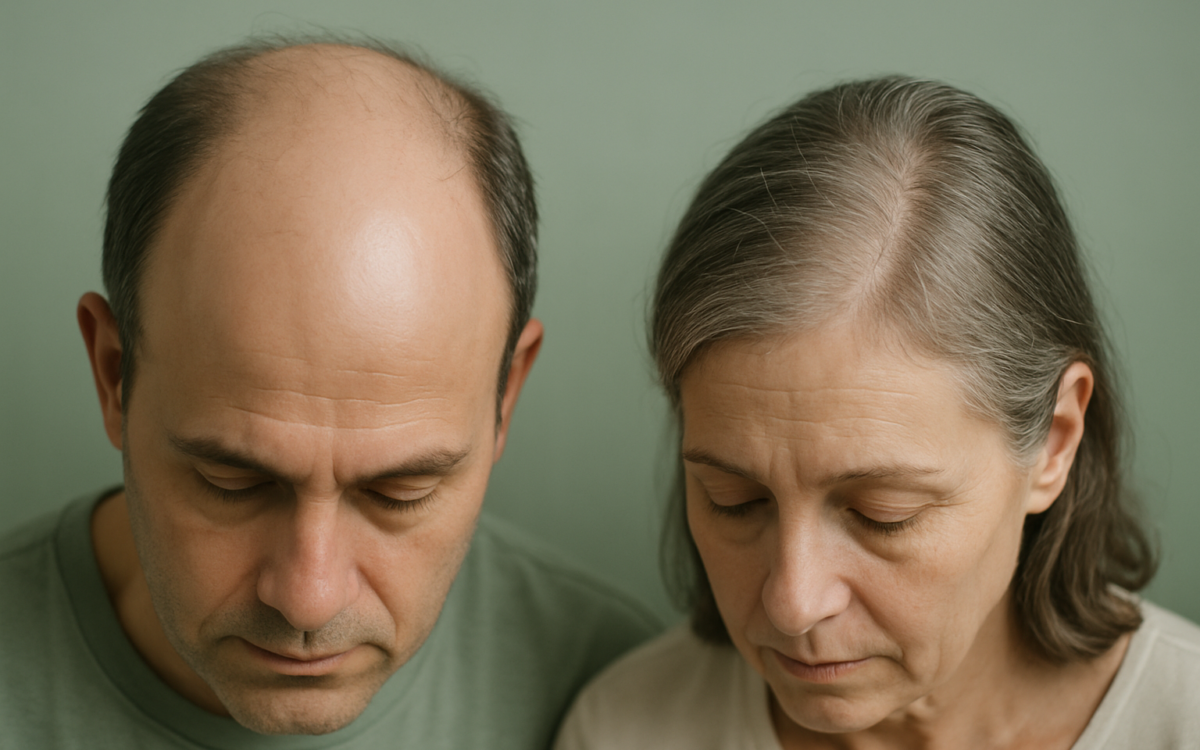
Baldness is a common concern for many people, often presenting itself in different ways for men and women. Understanding the differences between male and female pattern baldness can help you identify your hair loss type and explore appropriate treatment options. This article will delve into the causes, symptoms, and potential solutions for both genders.
What Is Pattern Baldness?
Pattern baldness, known scientifically as androgenetic alopecia, is a hereditary condition that leads to hair loss in both men and women. This type of hair loss typically occurs gradually and follows a predictable pattern. It’s important to know that while it is often associated with aging, it can start as early as the teenage years, especially in those with a family history of hair loss.
Male Pattern Baldness
Male pattern baldness is characterized by a receding hairline and thinning of hair at the crown of the head. This condition is primarily driven by genetics and hormones. Specifically, the male hormone testosterone plays a crucial role, as it is transformed into dihydrotestosterone (DHT), which can shorten the lifespan of hair follicles.
Signs and Symptoms
The signs of male pattern baldness often begin with a receding hairline, followed by thinning on the crown. Over time, these areas may expand, leading to partial or complete baldness. It is estimated that about 50% of men will experience some degree of hair loss by the age of 50, according to the National Institutes of Health.
Female Pattern Baldness
Female pattern baldness presents differently than in men. Instead of a receding hairline, women typically experience a wider part and overall thinning throughout the scalp. This type of hair loss is also influenced by genetics and hormones, but it is generally less noticeable than in men.
Signs and Symptoms
Women may start to notice the first signs of thinning hair in their 20s or 30s, although it may not become highly visible until they reach middle age. While it rarely leads to complete baldness, it can significantly affect self-esteem. Women might also experience hair shedding, which can be alarming, especially when it happens in larger quantities.
Causes of Pattern Baldness
Both male and female pattern baldness share similar underlying causes, primarily rooted in genetics and hormonal changes. However, other factors can contribute to hair loss:
- Genetics: A family history of hair loss increases the likelihood of experiencing pattern baldness.
- Hormonal Changes: Fluctuations in hormones, particularly related to pregnancy, menopause, and hormonal treatments, can affect hair growth.
- Age: As people age, hair follicles naturally shrink, leading to thinner hair.
- Health Conditions: Conditions like thyroid disorders or polycystic ovary syndrome (PCOS) can influence hair loss.
Treatment Options
Fortunately, there are various treatment options available for both male and female pattern baldness. These can range from over-the-counter products to medical treatments:
Over-the-Counter Treatments
Minoxidil (commonly known as Rogaine) is a topical treatment approved for both men and women. It can stimulate hair growth and slow down hair loss if used consistently over time. Available in foam or liquid form, it is easy to apply directly to the scalp.
Prescription Medications
For men, finasteride (Propecia) is a prescription pill that works by blocking the formation of DHT. In women, hormonal therapies might be beneficial, especially if the hair loss is associated with hormonal imbalances.
Hair Transplants
For those looking for a more permanent solution, hair transplant surgery involves removing hair follicles from one part of the body and transplanting them to areas with thinning or no hair. While this option can be costly, many find it offers satisfying results.
Self-Care and Lifestyle Changes
In addition to medical treatments, some self-care practices can help manage hair health:
- Nutrition: A balanced diet rich in vitamins and minerals can support hair growth. Nutrients like biotin, iron, and vitamin D are essential for maintaining healthy hair.
- Stress Management: High stress levels can affect hair growth. Practices such as meditation, yoga, and regular exercise can improve overall well-being and potentially mitigate hair loss.
- Gentle Hair Care: Avoid harsh hairstyles and treatments that can cause damage. Gentle combing and limited heat exposure can help keep hair healthy.
When to See a Doctor
If you notice sudden or patchy hair loss, it’s a good idea to consult a healthcare provider. They can help determine the cause of your hair loss and discuss appropriate treatment options. Early intervention may be more effective in halting progression.
Conclusion
Understanding male and female pattern baldness can empower individuals to make informed decisions about their hair health. While it is a common issue, resources are available for those seeking solutions. Whether through medical treatments, lifestyle changes, or simply informed knowledge, there are ways to manage the impact of hair loss and maintain confidence. Remember, consulting a healthcare professional is essential in finding the path that works best for you.
