
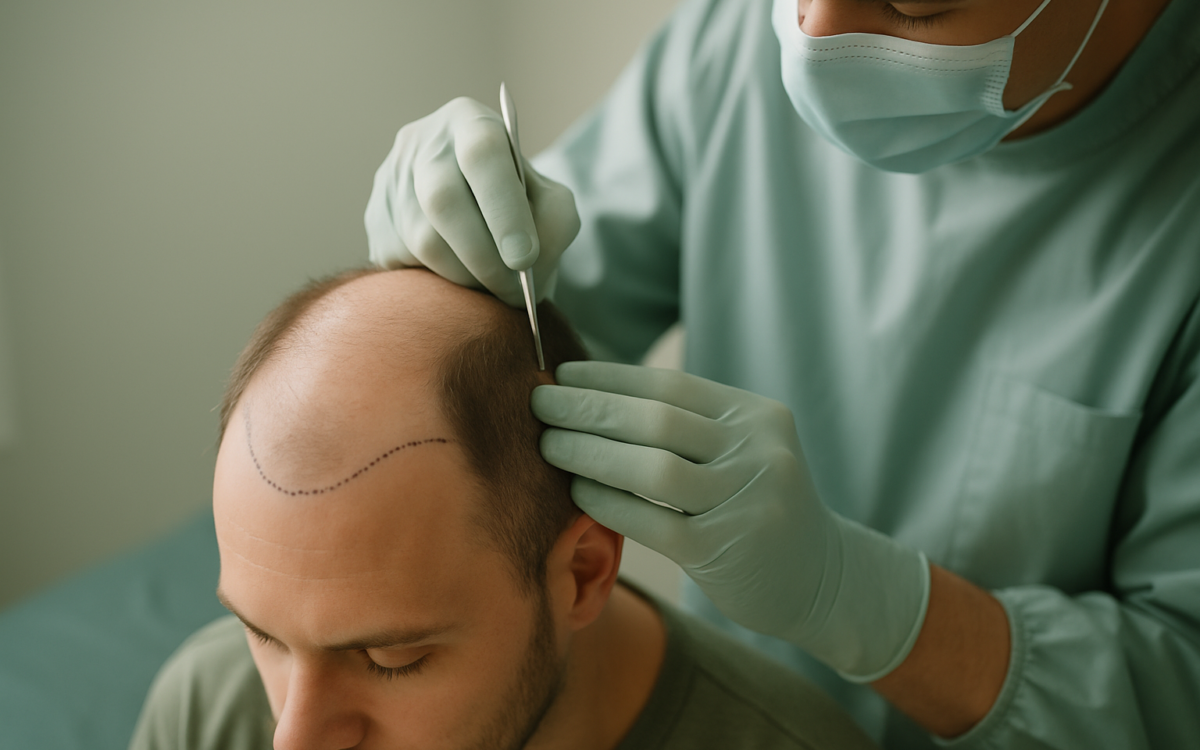
For many men, experiencing hair loss can be a sensitive issue that affects self-esteem and confidence. Male hair surgery is an increasingly popular option for those seeking to restore their hairline and regain their youthful appearance. In this article, we’ll explore different hair surgery options, what to expect during the process, and important considerations to keep in mind.
What Is Male Hair Surgery?
Male hair surgery, often referred to as hair transplantation, involves the removal of hair follicles from one part of the body and relocating them to thinning or balding areas. The most common types of hair surgery include Follicular Unit Extraction (FUE) and Follicular Unit Transplantation (FUT). This type of surgery aims not only to restore hair but also to enhance natural hairlines, ensuring that results appear seamless and realistic.
Types of Hair Surgery
Follicular Unit Extraction (FUE)
In the FUE method, individual hair follicles are harvested from areas of the scalp where hair is still dense, typically the back or sides. Each follicle is then transplanted into designated areas of thinning or balding spots. This technique leaves minimal scarring, making it a desirable option for many men.
Follicular Unit Transplantation (FUT)
FUT, often known as the strip method, involves removing a strip of scalp from the donor area, which is then dissected into individual follicular units before being transplanted into the recipient area. This method can be more efficient for larger areas of hair loss, though it may leave a visible scar.
Benefits of Male Hair Surgery
The benefits of male hair surgery extend beyond aesthetics. Many men report increased confidence and improved quality of life following the procedure. Additional advantages include:
- Permanent Results: Once the transplanted hair follicles establish themselves, they will continue to grow hair naturally.
- Natural Appearance: Experienced surgeons can create hairlines and designs that look completely natural.
- Minimally Invasive Options: With advances in technology, many modern techniques, like FUE, require only small incisions that heal quickly.
Considerations Before Surgery
Before opting for male hair surgery, it’s essential to consider various factors:
- Health Status: Certain medical conditions can affect the outcome of hair surgery. Discuss your full medical history with your surgeon.
- Realistic Expectations: While hair surgery can provide significant improvement, it’s vital to have realistic expectations about the results.
- Surgeon’s Expertise: Choosing a qualified surgeon is crucial for achieving satisfactory results. Research their background, experience, and patient reviews.
The Hair Surgery Process
Understanding the hair surgery process can help ease concerns. The procedure usually involves several steps:
- Consultation: The first step is a consultation with a qualified specialist who evaluates your hair loss and discusses your goals.
- Preparation: On the day of the surgery, the donor area may be shaved, and local anesthesia is administered to ensure comfort during the procedure.
- Harvesting Follicles: Depending on the chosen method, hair follicles are either extracted individually (FUE) or harvested as a strip (FUT).
- Transplantation: The surgeon will carefully place the harvested follicles into the thinning areas of the scalp, paying attention to angles, density, and hairline design.
- Recovery: After surgery, following post-operative care instructions is crucial for proper healing and optimal results.
Post-Surgery Care and Recovery
Recovery from hair surgery varies between individuals and can depend on the technique used. Following surgery, it’s vital to:
- Follow your surgeon’s instructions for medication and aftercare.
- Avoid strenuous activities for a few days to minimize swelling.
- Be gentle when washing or styling your hair to avoid damaging the new grafts.
Most patients can return to their regular routines after a few days, but new hair growth may take several months to appear. Patience is key, as the full results may take up to a year to reveal.
When to See a Doctor
If you’re experiencing hair loss and considering surgery, consult with a healthcare professional to discuss your symptoms, potential treatments, and if surgery is suitable for you. Additionally, contact a doctor if:
- Your hair loss is sudden or unusual.
- You experience scalp irritation or pain after the procedure.
- You have concerns about your recovery.
Conclusion
Male hair surgery can be an effective solution for those dealing with hair loss. With various options available, it’s important to research and consult with a qualified professional to identify the best approach for your needs. While the journey towards hair restoration may be a lengthy process, the potential increase in confidence and improved appearance can make it worthwhile.
For more information on hair loss and treatment options, visit resources from NIH and Mayo Clinic.
