
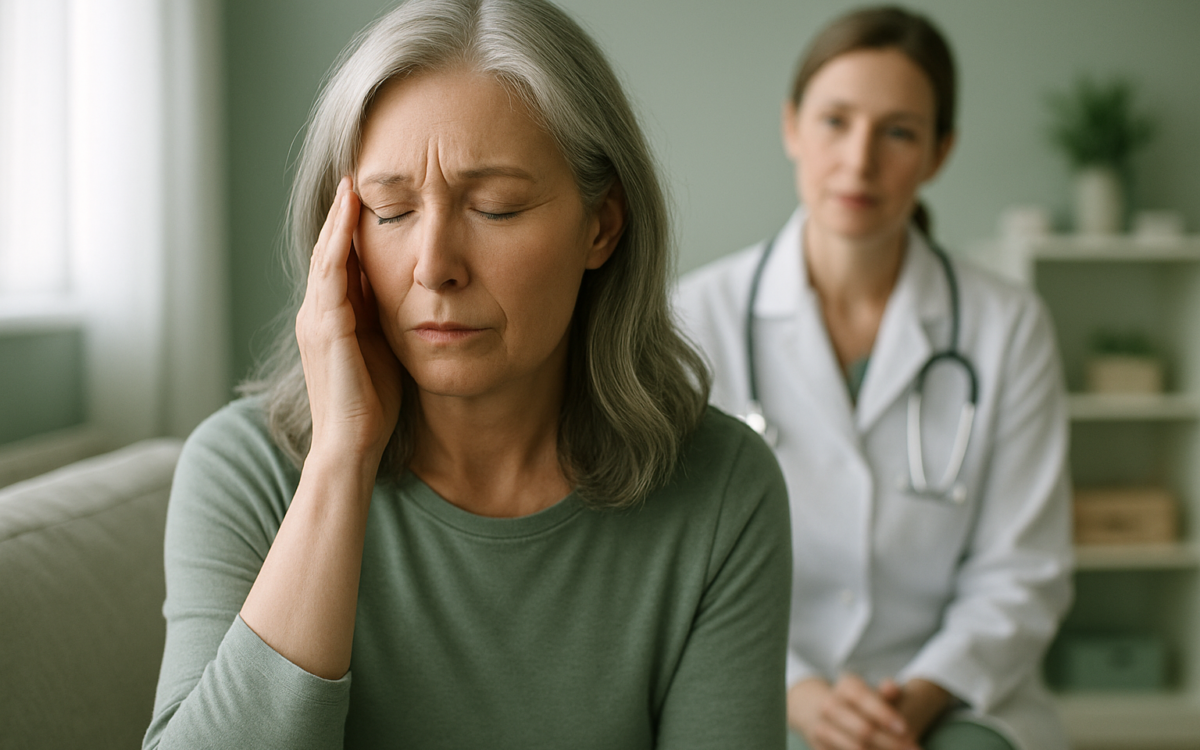
As women approach midlife, many may wonder about the changes their bodies will go through, particularly with menopause. This natural process, often surrounded by myths and misconceptions, generally occurs between the ages of 45 and 55. Understanding menopause age and its implications can help women navigate this significant life transition with confidence and ease.
What Is Menopause?
Menopause is defined as the time in a woman’s life when her menstrual cycles cease for 12 consecutive months. This occurs due to a natural decline in reproductive hormones, primarily estrogen and progesterone. While menopause is a natural phase of aging, it can bring significant changes and symptoms, making it a topic worth discussing.
The Phases of Menopause
Menopause is often divided into three phases:
- Perimenopause: This phase typically begins several years before menopause, usually in a woman’s 40s. During this time, hormone levels fluctuate, and menstrual cycles may become irregular. Symptoms such as hot flashes, night sweats, and mood swings may arise.
- Menopause: Menopause itself is marked by the absence of menstrual periods for 12 months. It is the point at which a woman has officially transitioned out of her reproductive years.
- Postmenopause: This phase refers to the years following menopause. Hormonal levels stabilize at lower levels, and many menopause symptoms may begin to diminish. However, some women may experience long-term effects, such as increased risk of osteoporosis or heart disease.
Average Age of Onset
The average age of menopause in the United States is approximately 51, although it can occur anywhere from the mid-40s to early 60s. Genetics, health conditions, and lifestyle factors can all influence when a woman experiences menopause. For example, women who smoke tend to reach menopause earlier than non-smokers (NIH).
Common Symptoms of Menopause
As women experience the transition through perimenopause and into menopause, they may encounter a variety of symptoms, including:
- Hot flashes and night sweats
- Irregular periods
- Mood changes, such as increased irritability or anxiety
- Sleep disturbances
- Weight gain or changes in body composition
- Vaginal dryness and discomfort during intercourse
These symptoms can vary greatly in severity and duration. Some women may experience only mild symptoms, while others might find them significantly impacting their quality of life. Understanding that these changes are a normal part of aging can help women manage them better.
Health Implications of Menopause
Menopause brings a variety of health changes that women should consider. The most notable concern is the change in bone density. After menopause, a woman’s risk for osteoporosis increases significantly due to lower estrogen levels. Women can take proactive measures to protect their bone health through weight-bearing exercises and a diet rich in calcium and vitamin D (Mayo Clinic).
Management Strategies for Menopausal Symptoms
While menopause is a natural process that cannot be avoided, various strategies can help manage symptoms:
- Lifestyle changes: Maintaining a balanced diet, exercising regularly, and practicing stress-reducing techniques can help alleviate some symptoms.
- Hormone therapy: For some women, hormone replacement therapy (HRT) may be advised to manage severe symptoms, but it’s essential to discuss risks and benefits with a healthcare provider.
- Non-hormonal medications: Antidepressants and certain medications can help manage hot flashes and mood changes.
- Natural remedies: Some women find relief through herbal supplements or other natural remedies, although it’s essential to consult a doctor before trying these.
Every woman’s experience with menopause is unique, and it’s crucial to find the right combination of management strategies that work for you.
When to See a Doctor
If you are experiencing symptoms of menopause, it can be helpful to consult with your healthcare provider. Schedule an appointment if:
- Your symptoms are severe or interfering with daily life.
- You have concerns about osteoporosis or heart disease.
- You want to discuss hormone replacement therapy or other treatment options.
Your doctor can provide tailored advice and help you explore available management options.
Conclusion
Menopause is a significant milestone in a woman’s life, affecting various aspects of health and well-being. Understanding menopause age and the changes that come with it empowers women to take proactive steps toward managing their health. By staying informed and seeking support when needed, women can navigate this transition with knowledge and confidence.
