
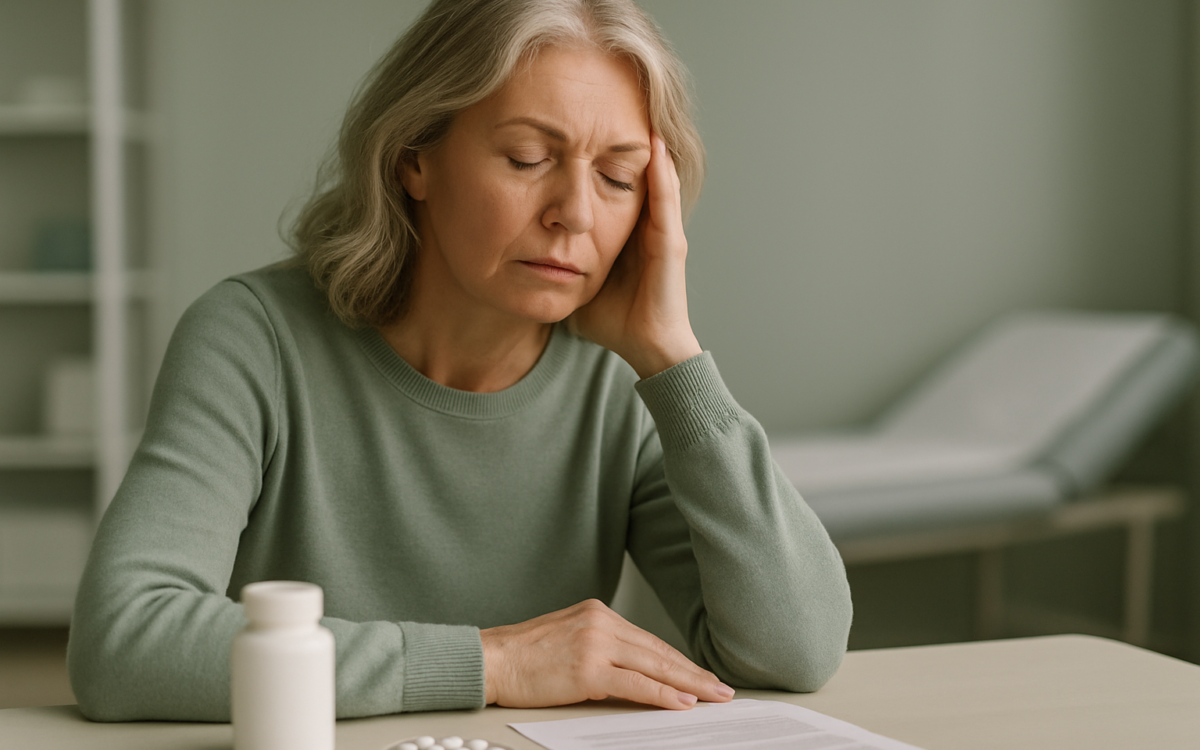
Menopause can feel like an overwhelming journey for many women. As natural as it is, the transition can bring a plethora of symptoms and questions. One of the most frequent inquiries is: how long does menopause last? While the experience of menopause varies widely among women, understanding the general timeline and what to expect can provide comfort and clarity during this significant phase of life.
The Menopause Timeline
Menopause is typically defined as occurring 12 months after a woman’s final menstrual period. However, the transition to this point can take several years. This transition phase, known as perimenopause, encompasses the time leading up to menopause when hormonal fluctuations begin.
Women often start to experience perimenopause in their 40s, but it can begin as early as the late 30s. On average, perimenopause lasts about four years, although it can range anywhere from a few months to over a decade. During this time, women may notice changes in their menstrual cycles and experience a variety of physical and emotional symptoms.
Stages of Menopause
Understanding the different stages of menopause can help women anticipate what lies ahead:
- Perimenopause: The transitional phase leading up to menopause, characterized by irregular periods and changes in hormone levels.
- Menopause: Marked by the absence of a menstrual cycle for 12 consecutive months. This stage typically occurs between the ages of 45 and 55.
- Postmenopause: The phase following menopause. During this time, many women find that their symptoms begin to subside, but the hormonal changes continue to affect their health.
Common Symptoms of Menopause
Many women experience a range of symptoms during menopause and its transition phases. Some of the most common include:
- Hot flashes and night sweats
- Irregular periods
- Mood swings and irritability
- Sleep disturbances
- Weight gain
- Changes in libido
- Vaginal dryness
These symptoms can vary in intensity and duration. While some women may find relief in just a few years, others may deal with symptoms for a decade or longer. Factors such as genetics, lifestyle, and overall health can influence these experiences.
How Long Can Menopause Last?
The duration of menopause itself is relatively fixed, lasting the remainder of a woman’s life post-menopause. However, many women wonder about the intensity and length of their symptoms during the transition. According to research from the National Institutes of Health (NIH), hot flashes can persist for an average of seven years, but there is wide variability. Some women find that their hot flashes and other symptoms fade within a few years, while others may continue to experience them much longer.
Factors Affecting Menopause Duration
Various factors can play a significant role in how long menopause lasts and the experiences associated with it:
- Genetics: Family history can provide insights into what you might expect during your own menopause experience. If your mother or sisters had prolonged symptoms, you may be more likely to experience similar patterns.
- Lifestyle: Factors such as diet, exercise, and smoking can influence the onset and duration of menopausal symptoms. A healthy lifestyle can help ease the transition.
- Overall Health: Conditions such as diabetes, thyroid disorders, or obesity may affect menopausal symptoms and overall duration.
Understanding these influencing variables can help women prepare better for this time of life and seek appropriate support when needed.
When to See a Doctor
If menopausal symptoms become overwhelming or interfere with daily life, it is essential to consult with a healthcare provider. Conditions such as severe depression, anxiety, or physical health changes may need further evaluation. Additionally, some symptoms may indicate other underlying health issues, so seeking medical guidance can help ensure overall well-being.
Conclusion
Menopause is a natural part of life, and while it can bring challenges, understanding its duration and what to expect can empower women during this time. From navigating perimenopause to recognizing the significance of postmenopause, knowledge is key. Whether the transition lasts a few years or more than a decade, support systems and health management strategies can help make this journey easier. For more personalized information, consider discussing your experiences and health with your doctor.
