
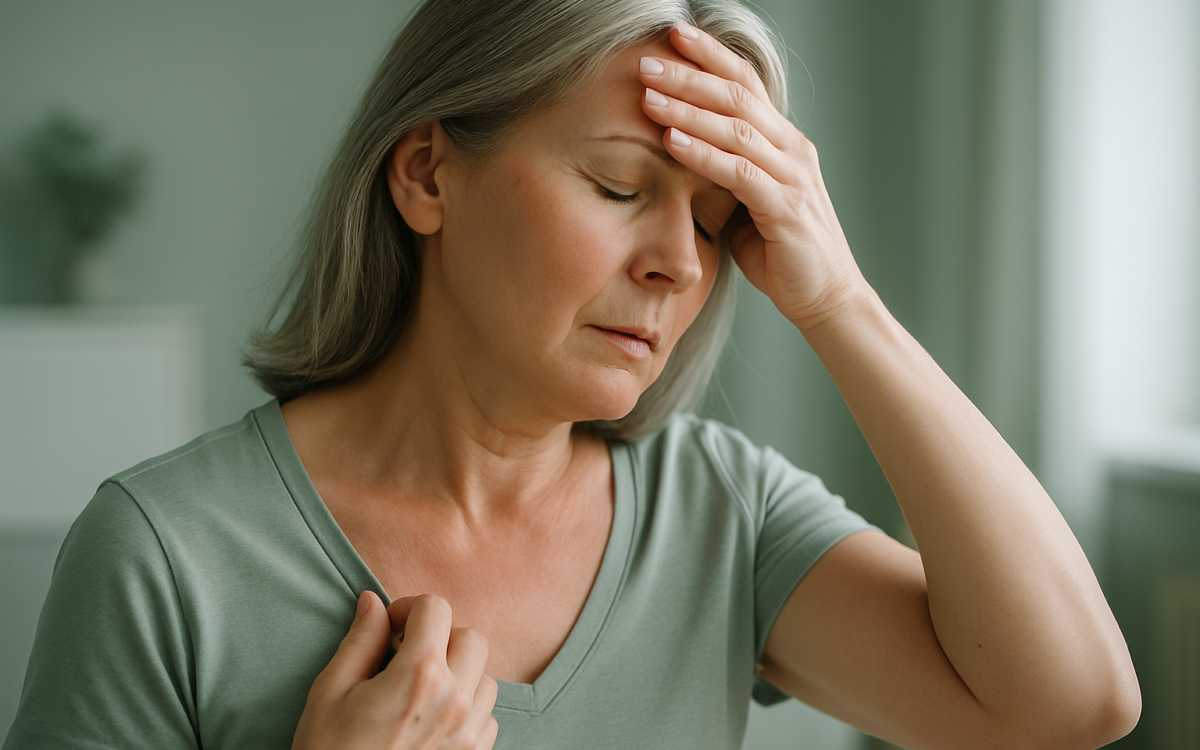
Menopause is a natural phase in a woman’s life, bringing along various changes in the body. One of the most distressing symptoms many women report during this time is hot flushes, also known as hot flashes. These sudden feelings of warmth, often accompanied by sweating and discomfort, can be surprising and disruptive. Understanding what causes these hot flushes and how to manage them is essential for a smoother transition into menopause.
What Are Menopause Hot Flushes?
Hot flushes are characterized by a sudden sensation of heat, typically starting in the face, neck, or chest, and sometimes spreading throughout the body. They can last anywhere from a few seconds to several minutes, and various factors can influence their frequency and intensity. Hot flushes are primarily due to changes in hormone levels, particularly estrogen.
What Causes Hot Flushes During Menopause?
Hormonal fluctuations are at the root of menopause hot flushes. As women approach menopause, estrogen levels decline, affecting the hypothalamus, the part of the brain that regulates body temperature. This decline can lead to the hypothalamus misinterpreting body temperature, resulting in episodes of overheating and sweating. Stress, caffeine, alcohol, and spicy foods can exacerbate this experience.
For a more detailed understanding of the hormonal changes during menopause, you can visit reputable sources such as the NIH or the World Health Organization.
How Long Do Hot Flushes Last?
The duration of hot flushes can vary significantly from woman to woman. Some may experience them for only a few months, while others might face them for several years. On average, women report having hot flushes for about 7.4 years, but some may find relief sooner. Factors such as genetics, lifestyle, and overall health can play roles in how long a woman experiences hot flushes.
Tips for Managing Hot Flushes
While hot flushes can be uncomfortable, there are several strategies you can adopt to manage them effectively:
- Dress in Layers: Wearing light, breathable fabrics can help you feel more comfortable during a hot flush.
- Stay Cool: Use fans, air conditioning, or portable coolers to manage your environment.
- Avoid Triggers: Keep a diary to identify personal triggers like spicy foods, caffeine, or stress.
- Practice Relaxation Techniques: Mindfulness, yoga, or deep-breathing exercises can help reduce the frequency of hot flushes.
- Consider Dietary Changes: Eating a balanced diet rich in fruits, vegetables, and whole grains can improve your overall health.
Medical Treatments for Hot Flushes
If lifestyle changes do not provide sufficient relief, several medical treatments may be available. Hormone Replacement Therapy (HRT) is often considered for managing menopause symptoms, including hot flushes. HRT works by replenishing estrogen levels, helping to stabilize body temperature regulation. Other treatments include non-hormonal medications and alternative therapies such as acupuncture or herbal supplements.
Consulting with a healthcare provider can help you explore the most suitable options for your situation. Reputable sources like the Mayo Clinic and the Cleveland Clinic provide valuable insights into these therapies.
When to See a Doctor
While hot flushes are common, it’s important to speak with a healthcare professional if:
- Your hot flushes suddenly worsen or change in pattern.
- You experience other concerning symptoms like heavy bleeding, severe pain, or unusual changes in mood or behavior.
- You have questions or concerns about hormone therapy and its risks.
Conclusion
Menopause hot flushes are a common and sometimes distressing symptom associated with hormonal changes. However, understanding their causes and having management strategies can significantly improve your quality of life during this transitional period. Don’t hesitate to reach out to a healthcare provider for support and guidance tailored to your individual needs.
