
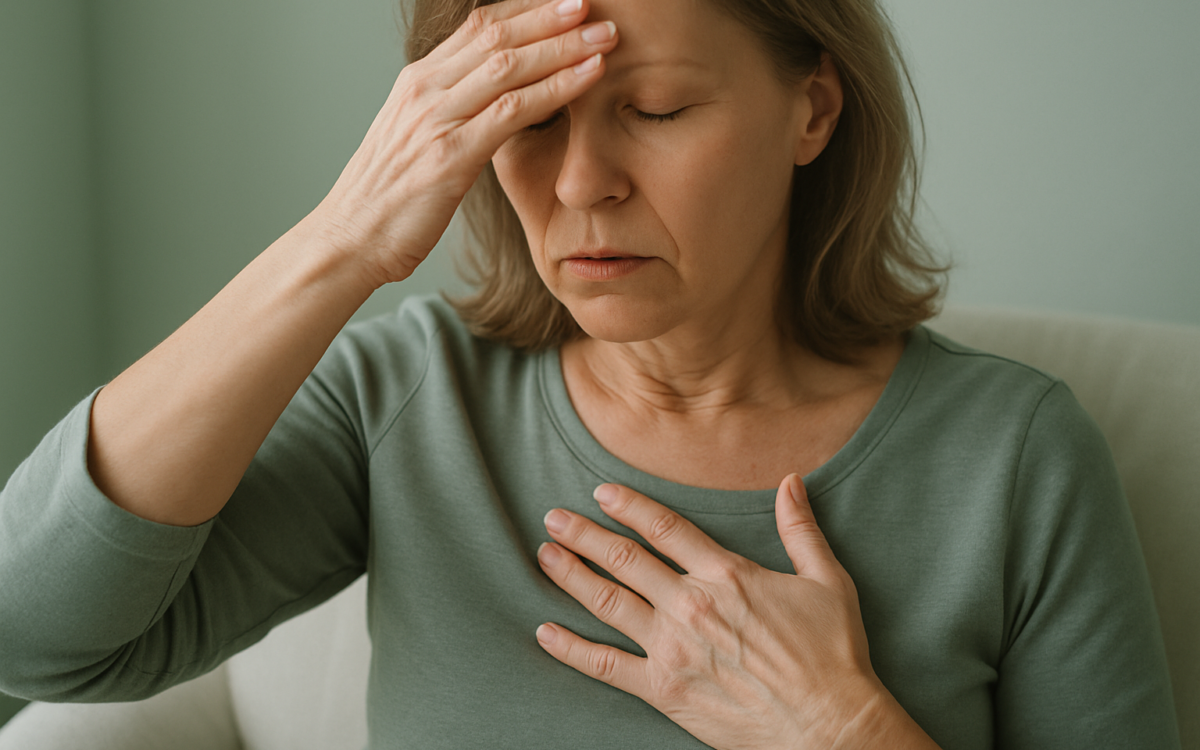
Menopause is a natural stage in a woman’s life that typically occurs around the age of 50. It’s a transition that brings significant hormonal changes, leading to a variety of symptoms. Understanding these symptoms can help you manage them better and prepare for this new chapter in your life. But what exactly should you expect as you approach this milestone?
What Is Menopause?
Menopause is defined as the time when a woman has not had a menstrual period for 12 consecutive months. It marks the end of the reproductive years and occurs as the ovaries gradually produce less estrogen and progesterone, the hormones responsible for regulating the menstrual cycle. While the average age for menopause is 51, some women experience it earlier or later. Natural menopause usually occurs between the ages of 45 and 55, and various factors, including genetics and overall health, can influence this timing.
Common Symptoms of Menopause
Many women start noticing symptoms leading up to menopause, a phase known as perimenopause, which can begin several years before menstruation stops. Here are some common symptoms you might experience around age 50:
Hot Flashes
Hot flashes are perhaps the most recognized symptom of menopause. They often feel like sudden feelings of heat that can spread over the body, flush the skin, and sometimes cause sweating. Hot flashes can occur during the day or at night (night sweats), disrupting sleep.
Irregular Periods
As menopause approaches, you may notice changes in your menstrual cycle. Periods may become less frequent, lighter, or heavier, and some women might skip periods entirely. This variability is part of the hormonal changes your body is undergoing.
Vaginal Changes
Estrogen helps maintain the health of vaginal tissues. As levels decline, some women may experience vaginal dryness, itching, or discomfort during intercourse. These changes can affect overall sexual health and body image.
Emotional Shifts
Menopause can also lead to emotional symptoms such as mood swings, anxiety, or depression. Hormonal changes, accompanied by other lifestyle factors, can contribute to these feelings. It’s essential to talk about any emotional distress you may be experiencing.
Other Physical Changes
Sleep Issues
Many women report difficulties sleeping during menopause. These problems may stem from night sweats or could be due to hormonal changes that affect your sleep-wake cycle. Poor sleep can exacerbate other menopause symptoms, creating a cycle that can be hard to break.
Weight Gain
Hormonal shifts during menopause may also contribute to weight gain, particularly around the abdomen. Changes in metabolism can make it easier to gain weight, and less estrogen is linked to an increase in body fat. Staying active and maintaining a balanced diet can help manage weight during this transition.
Memory and Concentration Issues
Some women report experiencing memory lapses or difficulties concentrating during perimenopause and menopause. These cognitive changes might be linked to hormone fluctuations or sleep disturbances, and they can vary from person to person.
Managing Menopause Symptoms
While menopause is a natural process, there are multiple ways to alleviate its symptoms:
- Healthy Lifestyle: Maintaining a balanced diet rich in fruits, vegetables, and whole grains can help manage symptoms.
- Exercise: Regular physical activity can help reduce hot flashes, improve mood, and support weight management.
- Stress Management: Practices like yoga, meditation, or deep breathing can help alleviate emotional symptoms.
- Support Networks: Talking with friends, joining support groups, or working with a counselor can provide valuable emotional support.
When to See a Doctor
If you find that your symptoms are impacting your daily life or mental health, it’s a good idea to consult a healthcare professional. They can provide guidance on how to manage symptoms and discuss treatment options if needed. Remember, while menopause is a natural phase, seeking support is essential for your overall well-being.
Conclusion
Menopause is a significant life transition that can bring both challenges and new beginnings. By understanding the symptoms you may experience around age 50 and how to manage them, you can navigate this phase with greater ease. Always remember that support and information are available, so don’t hesitate to reach out for help. For more information on menopause, you can visit resources like NIH or Mayo Clinic.
