
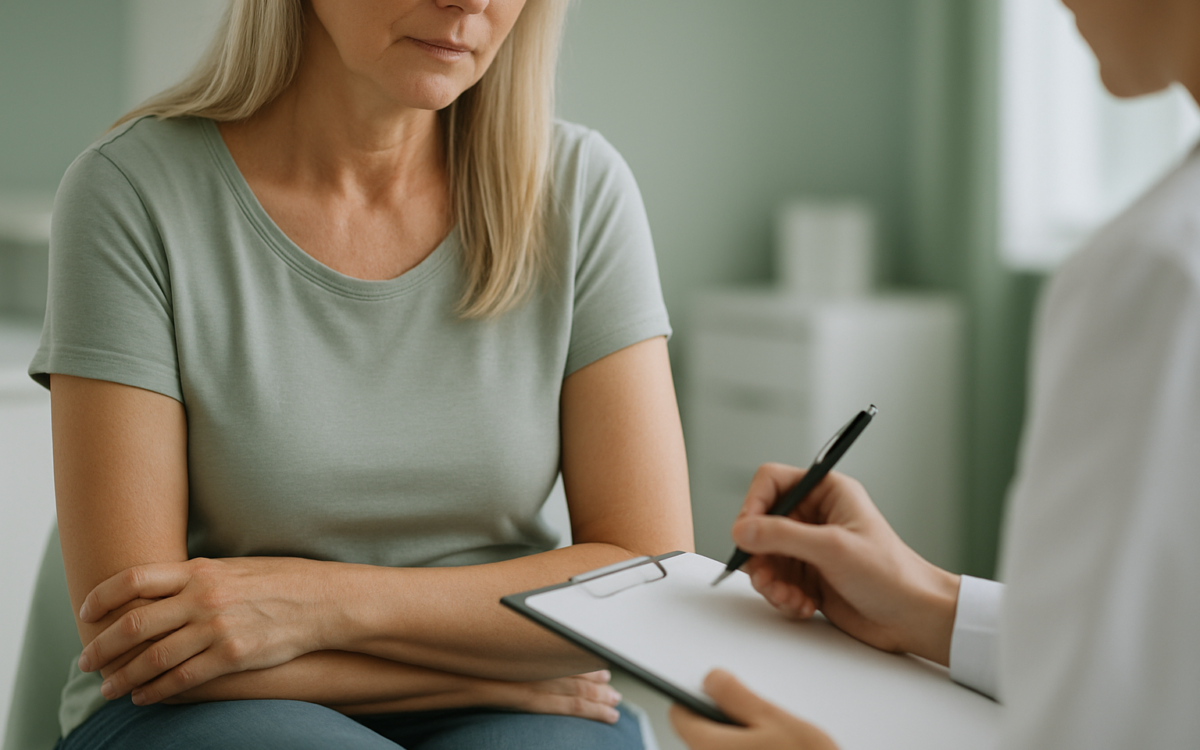
For many women, the word “menopause” can stir up a mix of emotions, from anxiety to relief. It’s often seen as a rite of passage—an important chapter in the journey of womanhood. But what exactly is menopause, and at what age do females typically experience it? Understanding this natural process can help women prepare and embrace this new phase of life.
What is Menopause?
Menopause is a natural biological event that marks the end of a woman’s menstrual cycles and fertility. It is defined as occurring when a woman has gone 12 consecutive months without a menstrual period, signaling that her ovaries have stopped releasing eggs. This phase is part of a larger process called perimenopause, which involves the gradual decline of reproductive hormones.
Typical Age Ranges for Menopause
Menopause typically occurs between the ages of 45 and 55. The average age for women in the United States is around 51 years old. However, factors such as genetics, lifestyle choices, and overall health can influence the exact timing. Some women may experience menopause earlier due to reasons such as family history or medical interventions, while others may not experience it until their late fifties.
Factors Influencing Menopause Timing
- Genetics: Women who have family members that experienced early menopause might go through it at a similar age. Studies show that genetics can play a significant role in the timing.
- Health Conditions: Certain medical conditions, such as autoimmune diseases or endocrine disorders, can lead to earlier menopause.
- Lifestyle Factors: Smoking, diet, and exercise can also impact menopause timing. Research indicates that smokers may reach menopause earlier than non-smokers.
- Medical Treatments: Surgical procedures like a hysterectomy or treatments like chemotherapy can induce early menopause.
Signs and Symptoms of Menopause
As women approach menopause, they may experience various symptoms. These can vary greatly from one woman to another but commonly include:
- Hot flashes
- Night sweats
- Irregular periods
- Sleep disturbances
- Mood changes
- Vaginal dryness
These symptoms can begin during perimenopause, which can start several years before actual menopause. The intensity and duration of symptoms also differ by individual.
Post-Menopause: What to Expect
After menopause, women enter a new phase called post-menopause. During this time, many of the symptoms associated with menopause may decrease as hormone levels stabilize. However, post-menopausal women may face other health risks, such as osteoporosis and heart disease, due to the lower levels of estrogen.
It’s essential to maintain regular health screenings and communicate with healthcare providers about any concerns regarding post-menopause health.
When to See a Doctor
If you are experiencing symptoms of perimenopause or menopause that are impacting your daily life, it might be a good idea to consult with a healthcare professional. They can provide guidance, answer questions, and help manage symptoms effectively. It’s especially important to seek medical advice if you are under the age of 40 and experiencing early menopause, as this could indicate an underlying health issue.
Conclusion
Menopause is a natural part of aging that all women will experience, typically between the ages of 45 and 55. While this transition can be accompanied by various symptoms and changes, understanding what to expect can help women navigate this phase with greater ease. Open conversation with healthcare providers can ensure that you stay informed and healthy as you approach and experience menopause.
For more detailed information on menopause and health management, consider exploring resources from reputable organizations such as the NIH or the WHO.
