
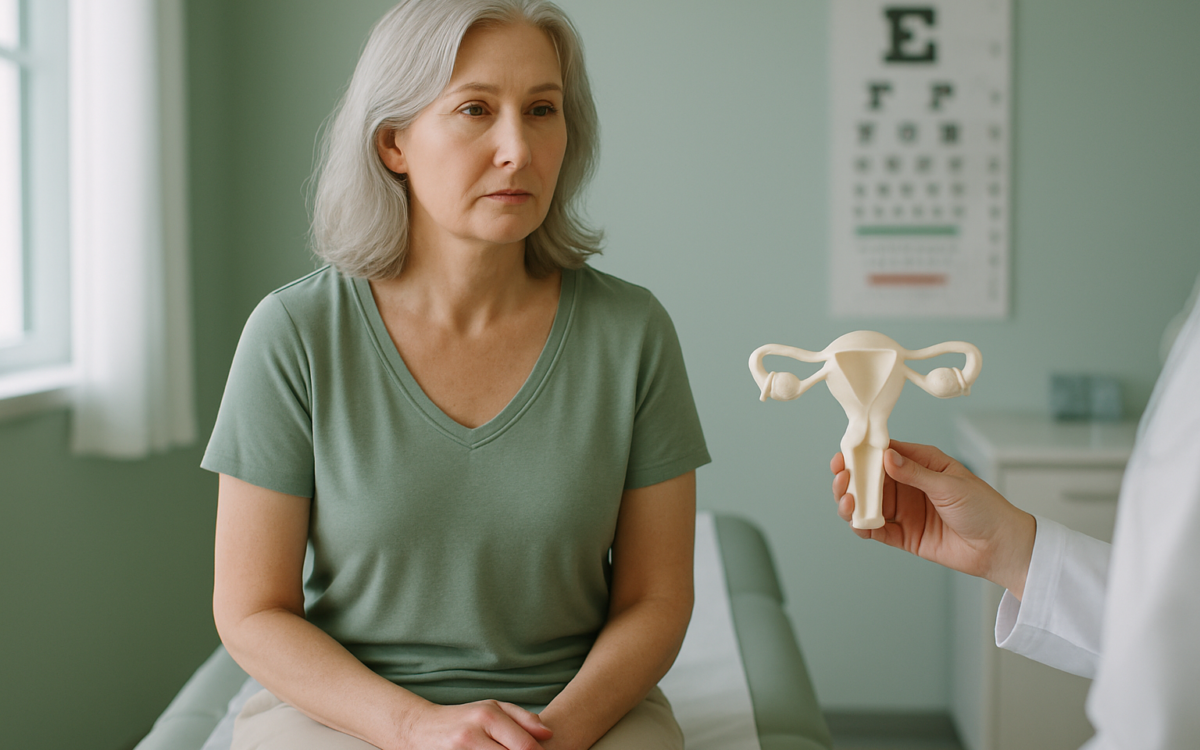
Menopause is a significant life change for many women, marking the end of their reproductive years. This transition can bring various physical and emotional changes, making it essential to understand what menopause involves and when it usually occurs. Knowing more about this natural phase can help women navigate it more comfortably and confidently.
What Is Menopause?
Menopause is a natural biological process that occurs when a woman’s ovaries cease to produce eggs and hormone levels, particularly estrogen, decline. This transition signifies the end of menstrual cycles and fertility. While menopause is a natural stage of life, it can also bring a variety of challenges due to changing hormone levels.
When Does Menopause Usually Occur?
The average age for women to reach menopause is around 51 years. However, the actual timing can vary greatly. Most women will experience menopause between the ages of 45 and 55. Factors influencing the timing of menopause can include genetics, lifestyle, and health conditions.
Signs and Symptoms of Menopause
Many women start to notice changes before reaching menopause, in a stage called perimenopause. This phase can begin several years before menopause, sometimes in the late 30s or early 40s. During perimenopause, women may experience:
- Irregular periods
- Hot flashes
- Night sweats
- Sleeplessness
- Changes in mood
- Vaginal dryness
Once menopause occurs, a woman will have gone 12 consecutive months without a menstrual period. Post-menopause marks the period after this stage, where symptoms typically stabilize but can persist for some time.
Factors That Influence Timing
Several factors may affect when a woman experiences menopause:
- Family History: Genetics often play a role; if your mother experienced menopause early, you might too.
- Lifestyle Choices: Smoking can accelerate the onset of menopause, while a healthy diet and exercise may help alleviate some menopause symptoms.
- Health Conditions: Certain medical conditions or treatments, such as chemotherapy, can lead to earlier menopause.
Managing Menopausal Symptoms
Dealing with menopausal symptoms is a personal journey, and what works for one woman may not work for another. Various strategies can help ease discomfort:
- Dietary Changes: A balanced diet rich in calcium and vitamin D can support bone health.
- Exercise: Regular physical activity can improve mood, sleep quality, and overall health.
- Hormone Therapy: Some women may consider hormone replacement therapy (HRT) to manage severe symptoms; however, this should be discussed thoroughly with a healthcare provider.
When to See a Doctor
If you are experiencing symptoms that are impacting your daily life or if you have questions about menopause, it’s important to consult a healthcare professional. They can provide guidance, discuss treatment options, and help you manage any concerns related to your health during this transition.
Conclusion
Understanding menopause and what to expect can empower women to navigate this natural phase of life more confidently. By recognizing the signs and symptoms and knowing when to seek support, women can make informed choices that best suit their health and lifestyle.
For more information on menopause and women’s health, you can visit the National Heart, Lung, and Blood Institute or the World Health Organization.
