
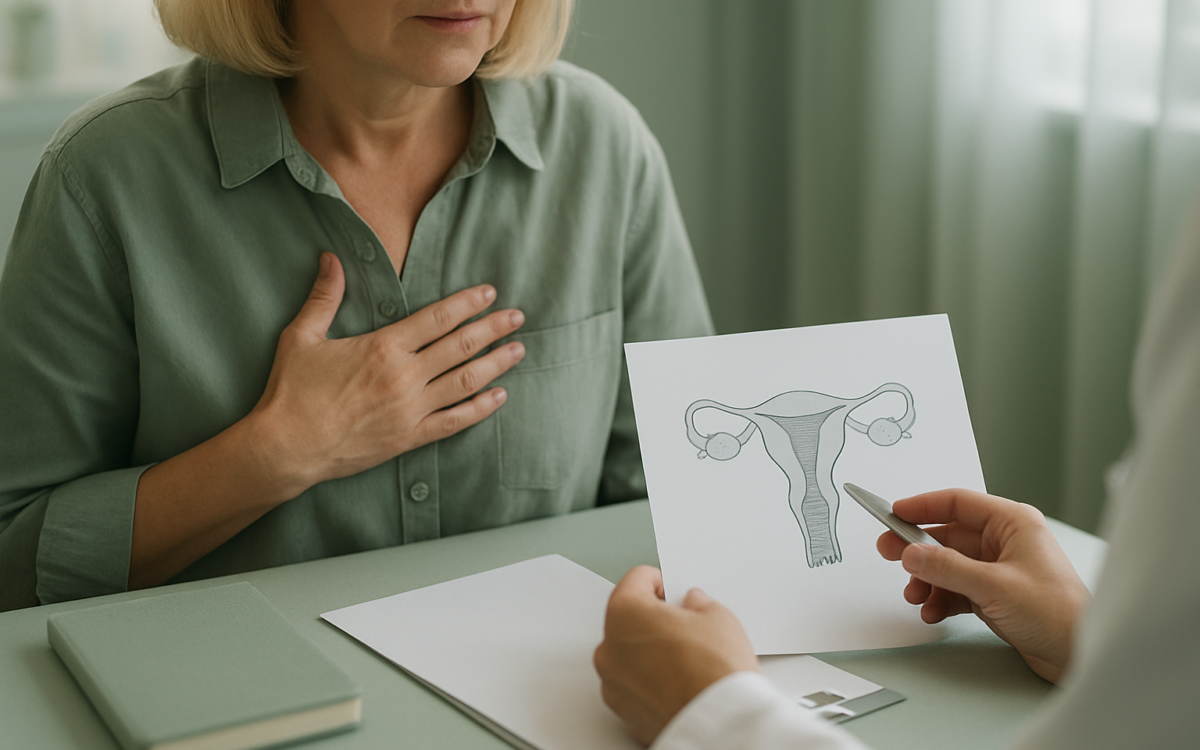
Menopause is a term that many women encounter, but what does it really mean? It signifies a significant change in a woman’s body and marks the end of her reproductive years. This article aims to clarify what menopause is, its stages, symptoms, and the importance of understanding this natural transition.
What is Menopause?
Menopause is defined as the time in a woman’s life when her menstrual cycle ceases for 12 consecutive months. This typically occurs between the ages of 45 and 55, although it can vary. The primary cause of menopause is the natural decline in reproductive hormones, particularly estrogen and progesterone.
The Stages of Menopause
Menopause doesn’t happen overnight; it consists of several stages:
- Perimenopause: This stage can begin several years before menopause itself, often starting in a woman’s 40s. Hormone levels fluctuate, leading to irregular periods and various symptoms.
- Menopause: This is the official stage after a woman has gone 12 months without menstruating. Hormone levels have significantly dropped, initiating new challenges for many women.
- Postmenopause: This stage begins after menopause, continuing for the rest of a woman’s life. Some symptoms may ease, but the risk of certain health issues may increase due to lower estrogen levels.
Common Symptoms of Menopause
Every woman experiences menopause differently, but there are common symptoms that many report:
- Hot flashes: Sudden feelings of heat and sweating can occur, particularly at night.
- Mood changes: Fluctuations in hormone levels can lead to irritability, anxiety, or depression.
- Sleep disturbances: Many women report difficulty sleeping due to night sweats or other discomforts.
- Changes in libido: Hormonal changes may affect sexual desire.
- Vaginal dryness: Decreased estrogen can result in dryness and discomfort during intercourse.
How Menopause Affects Health
While menopause is a natural process, it can significantly impact a woman’s health. The decrease in estrogen levels after menopause can increase the risk of:
- Osteoporosis: Bones can become more fragile and susceptible to fractures.
- Cardiovascular disease: The risk of heart disease may rise following menopause.
- Mental health issues: Mood swings and depression may persist or begin during menopause.
Understanding these risks can empower women to take proactive steps towards maintaining their health.
Managing Menopause Symptoms
Women have various options for managing menopause symptoms, and finding the right approach may require some trial and error:
- Lifestyle changes: Regular exercise and a balanced diet can significantly improve overall well-being and may lessen some symptoms.
- Hormone therapy: Some women opt for hormone replacement therapy (HRT) to balance hormone levels, but it’s essential to discuss the benefits and risks with a healthcare provider.
- Alternative therapies: Acupuncture, yoga, and herbal remedies may offer relief for some women.
Classroom,. It’s essential to consult with a healthcare professional to develop a management plan tailored to individual needs.
When to See a Doctor
If you’re experiencing symptoms of menopause that are disrupting your daily life or causing distress, it might be time to consult your doctor. Additionally, seek medical advice if:
- Your symptoms are severe or unusual.
- You have concerns about osteoporosis or heart disease risk.
- You experience prolonged periods of depression or anxiety.
Conclusion
Menopause is a significant milestone in a woman’s life, representing the end of fertility and a transition into a new phase. Understanding menopause can help women navigate this period more comfortably. Remember, it’s vital to stay informed and proactive about health during this transition. With the right support and resources, women can embrace this new chapter with confidence.
For more detailed information about menopause and its effects, consult resources from the National Institutes of Health, the World Health Organization, or the Mayo Clinic.
