
Menopause is a natural part of aging for women, yet it remains shrouded in mystery for many. It typically marks the end of a woman’s reproductive years and brings significant hormonal changes. Understanding when menopause begins, its stages, and its symptoms can equip women with the knowledge they need to navigate this transition smoothly. So, when do women start menopause?
What is Menopause?
Menopause is defined as the time in a woman’s life when her menstrual cycle ends, and she can no longer conceive. This transition is primarily due to a decline in reproductive hormones, particularly estrogen and progesterone. While menopause is officially diagnosed after 12 consecutive months without a menstrual period, women often experience a range of symptoms long before reaching this point.
When Do Women Typically Start Menopause?
Most women enter menopause between the ages of 45 and 55, with the average age being around 51. However, the onset of menopause can vary widely. Some women may begin experiencing changes as early as their late 30s, while others may not see signs until their late 50s. Factors such as genetics, lifestyle, and overall health can influence the timing of menopause.
The Stages of Menopause
Menopause does not happen overnight; it occurs in three distinct stages:
- Perimenopause: This stage typically begins several years before menopause. Women may experience irregular periods and various symptoms such as hot flashes and mood swings. Perimenopause usually starts in a woman’s 40s, but it can also begin in the 30s for some.
- Menopause: This is the point when a woman has not had a menstrual period for 12 consecutive months. At this stage, the ovaries have significantly reduced hormone production.
- Postmenopause: This stage follows menopause and lasts for the remainder of a woman’s life. During postmenopause, women may experience persistence or new symptoms related to low hormone levels.
Common Symptoms of Menopause
Women approaching menopause may experience a variety of symptoms, some of which can significantly affect their quality of life. Common symptoms include:
- Hot flashes: Sudden feelings of warmth, often accompanied by sweating.
- Night sweats: Hot flashes that occur during sleep, leading to difficulty sleeping.
- Irregular periods: Changes in menstrual cycle length and flow.
- Mood changes: Increased irritability, anxiety, or depression.
- Sleep disturbances: Trouble falling or staying asleep.
- Vaginal dryness: Decreased lubrication can lead to discomfort during intercourse.
Factors Influencing the Timing of Menopause
Several factors can influence when a woman starts menopause:
- Genetics: Family history plays a significant role. If your mother or sisters had early menopause, you might too.
- Lifestyle: Factors such as smoking can lead to earlier menopause, while regular exercise and a healthy diet may help manage symptoms and possibly delay its onset.
- Health Conditions: Certain medical conditions or treatments (like chemotherapy) can impact ovarian function and result in earlier menopause.
When to See a Doctor
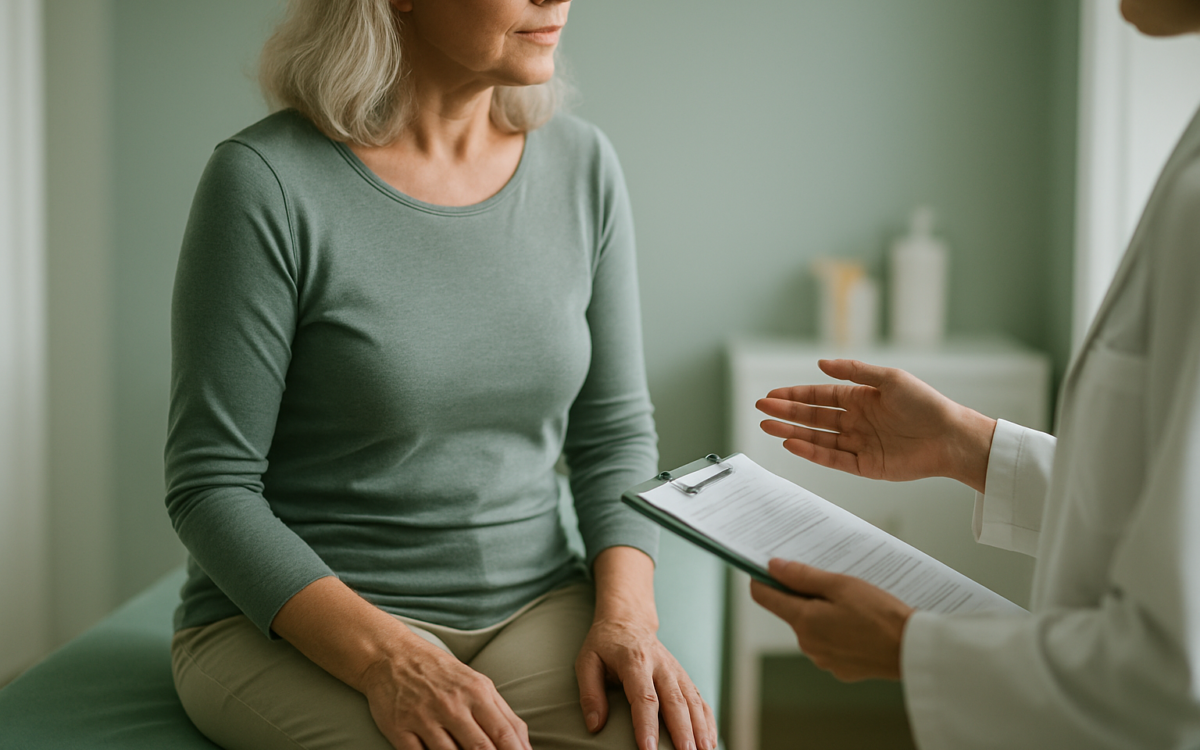
If you’re experiencing symptoms that disrupt your daily life or if you have concerns about your menstrual cycle, it’s advisable to consult a healthcare professional. They can help determine if you’re approaching menopause and discuss potential management strategies. Regular check-ups can also ensure that any unusual symptoms are addressed in a timely manner.
Conclusion
Menopause is a significant life transition that every woman will face, typically between the ages of 45 and 55. By understanding when menopause starts, the stages involved, and the common symptoms, women can better prepare for this natural change. Remember, while menopause is common, each woman’s experience is unique, and consulting a doctor can provide valuable guidance tailored to your needs.
