
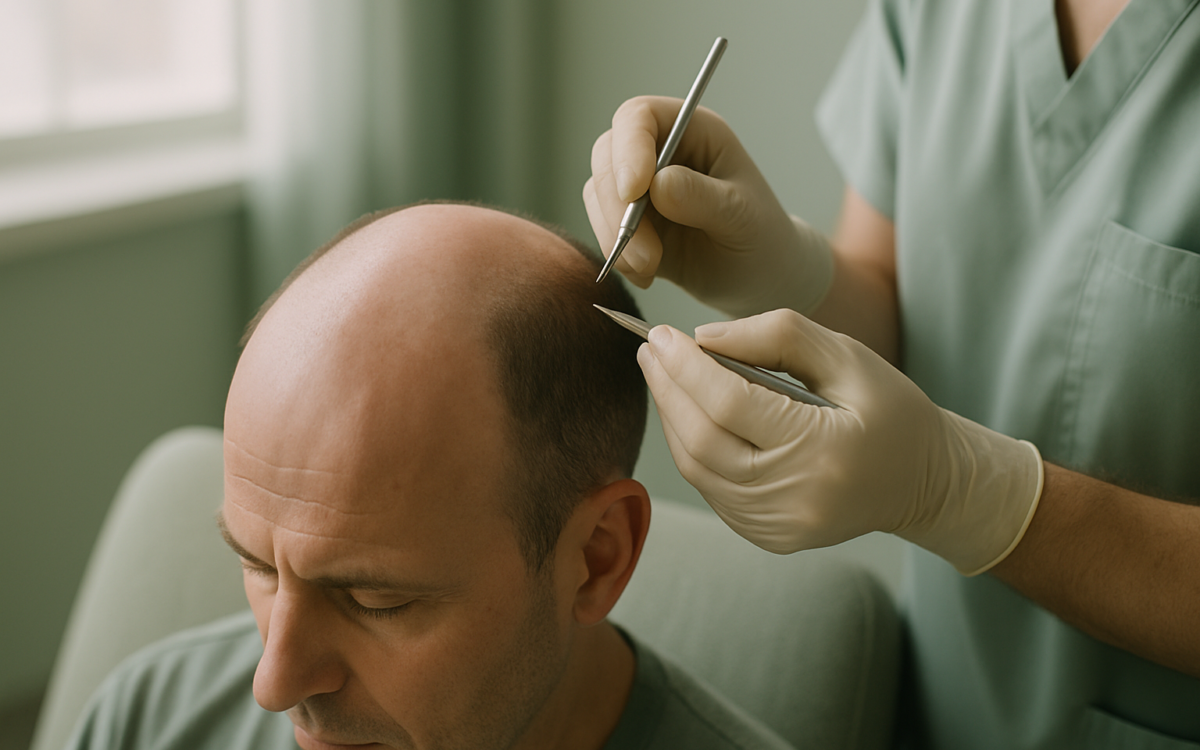
For many men, hair loss can be a sensitive topic. It might begin with a few stray hairs in the shower, but before long, it can lead to thinning patches, receding hairlines, or even baldness. Fortunately, advancements in medicine have provided some hopeful solutions. Men’s hair loss surgery is one such option that has gained significant traction in recent years.
Understanding Hair Loss
Hair loss, clinically known as alopecia, affects millions of men worldwide. While it’s often associated with aging, a variety of factors can contribute to this condition, including genetics, hormonal changes, and environmental influences. According to the NIH, male pattern baldness is the most common type of hair loss among men, resulting from a combination of genetic predisposition and the presence of certain hormones.
Types of Hair Loss Surgery
When considering surgical options for hair loss, two primary methods are often discussed: follicular unit transplantation (FUT) and follicular unit extraction (FUE).
Follicular Unit Transplantation (FUT)
FUT involves removing a strip of skin from the scalp that contains hair follicles. These follicles are then dissected into individual grafts and implanted into balding areas. This method can be beneficial for those requiring a large number of grafts, but it may leave a linear scar.
Follicular Unit Extraction (FUE)
FUE, on the other hand, is a less invasive procedure that involves extracting individual hair follicles directly from the scalp and transplanting them to thinning areas. This method tends to leave smaller, dot-like scars and typically has a quicker recovery time.
Benefits and Considerations
Both FUT and FUE can offer significant benefits for men experiencing hair loss. First and foremost, these procedures can lead to natural-looking results, helping many regain their confidence.
- Natural Results: Surgeons aim to mimic the natural growth pattern of hair, making it challenging for others to tell that a transplant has occurred.
- Long-Lasting Outcomes: Once transplanted, the hair follicles are typically resistant to the balding process, so they can continue to grow for many years.
- Boosted Confidence: Many men report improved self-esteem after undergoing hair restoration procedures.
However, there are important considerations as well. Hair loss surgery can be expensive, and not everyone is a suitable candidate. It’s crucial to consult with a qualified professional who can assess your specific needs and goals.
Recovery and Aftercare
Recovery from hair loss surgery varies based on the method used. With FUT, patients may experience more discomfort and a longer healing time due to the strip of skin being removed. FUE generally allows for a quicker recovery.
In the days following the procedure, patients are encouraged to follow aftercare instructions carefully. This may involve avoiding strenuous activities and protecting the scalp from sun exposure. Results typically appear within 3 to 6 months, with final outcomes visible after a year.
International Perspectives on Hair Loss Surgery
If you are considering men’s hair loss surgery, you might also explore options beyond your local area. Many individuals seek treatment in Turkey, where several clinics offer state-of-the-art technology at competitive prices. This approach can be attractive for those seeking high-quality care without the financial burden often seen in countries like the United States.
Alternatives to Surgery
While hair loss surgery can be a viable option, it’s not the only path. Some men may opt for non-surgical treatments that include:
- Minoxidil: An over-the-counter topical solution that may encourage hair growth.
- Finasteride: An oral medication that helps prevent hair loss by blocking DHT, a hormone linked to hair thinning.
- Low-Level Laser Therapy: A non-invasive procedure that uses laser light to stimulate hair follicles.
These alternatives may be particularly appealing to men who prefer to try non-surgical treatments before committing to a procedure.
When to See a Doctor
If you’re experiencing hair loss and feel concerned about your appearance, it’s a good idea to consult a healthcare professional. They can help diagnose the cause of your hair loss and discuss potential treatment options. Look for signs that could indicate an underlying health issue, such as sudden hair loss or accompanying symptoms like scalp itching or inflammation.
Conclusion
Men’s hair loss surgery can offer a route to regain one’s love for their hair and increased self-confidence. With the variety of surgical options available, along with alternative treatments, individuals can choose the path that best suits their needs. As always, a thoughtful discussion with a healthcare provider can guide you in making the best decision for your hair restoration journey.
