
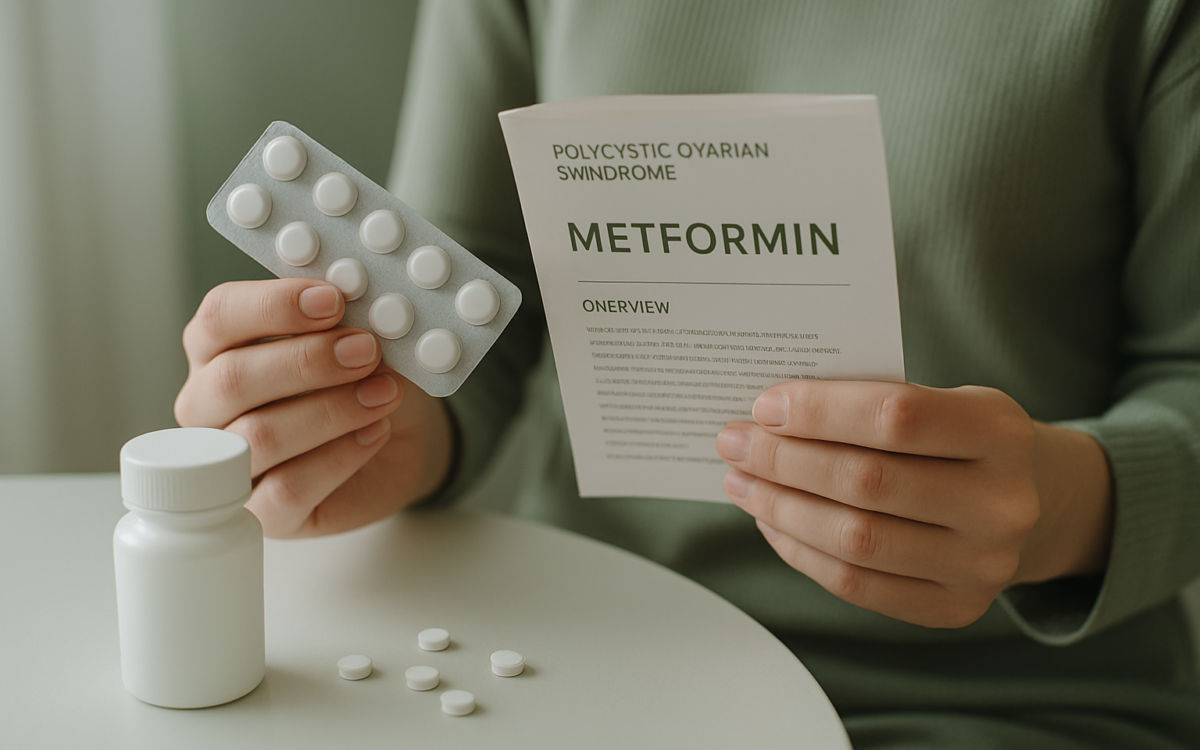
Polycystic Ovary Syndrome (PCOS) is a common hormonal disorder that affects many women of reproductive age. Among its various symptoms are irregular menstrual cycles, weight gain, and excessive hair growth. Managing PCOS can be complex, but a medication known as metformin has gained attention for its potential benefits. This article dives into how metformin can assist women with PCOS, its uses, benefits, and what to consider before starting the treatment.
What is Polycystic Ovary Syndrome (PCOS)?
PCOS is a condition marked by hormonal imbalance that can interfere with a woman’s menstrual cycle and ovulation. Women with PCOS often have elevated levels of androgens, sometimes called “male hormones,” although they are found in both men and women. These hormonal changes can lead to the development of cysts in the ovaries, hence the name.
Symptoms of PCOS vary widely but commonly include:
- Irregular or missed periods
- Acne or oily skin
- Weight gain or difficulty losing weight
- Thinning hair on the scalp
- Excess hair growth on the face and body (hirsutism)
- Infertility
Understanding Metformin
Metformin is a medication primarily used to treat type 2 diabetes. It works by improving insulin sensitivity, meaning that the body uses insulin more effectively. Insulin is important for regulating blood sugar levels, and high levels can lead to insulin resistance, commonly seen in women with PCOS.
In individuals with PCOS, insulin resistance can increase the production of androgens, which can exacerbate symptoms. By addressing insulin resistance, metformin can help lower androgen levels and potentially restore more regular menstrual cycles.
How Does Metformin Help with PCOS?
Many studies have shown that metformin can have several benefits for women with PCOS:
- Regulates Menstrual Cycles: By improving insulin sensitivity, metformin can often help regulate menstrual cycles, leading to more predictable ovulation.
- Reduces Androgen Levels: Decreasing high androgen levels can help alleviate symptoms such as acne, excess hair growth, and hair loss.
- Aids in Weight Management: Some studies suggest that metformin can help with weight loss and reduce fat distribution, which is beneficial for women with PCOS who struggle with weight gain.
- Improves Fertility: For women trying to conceive, metformin may improve ovulation and overall fertility.
Research Findings on Metformin and PCOS
Numerous studies support the use of metformin in managing PCOS:
- A systematic review published in the Journal of Clinical Endocrinology and Metabolism found that metformin not only helps regulate menstrual cycles but also improves pregnancy outcomes in women with PCOS.
- Another study in the American Journal of Obstetrics and Gynecology indicated that metformin could be particularly beneficial for women with obesity-related insulin resistance.
Potential Side Effects of Metformin
While metformin can be beneficial, it may also cause side effects, which can vary in severity from person to person. Some common side effects include:
- Gastrointestinal issues like nausea, diarrhea, and abdominal discomfort
- Low blood sugar (hypoglycemia), especially when combined with other diabetes medications
- Vitamin B12 deficiency, which may require monitoring
It’s essential to discuss these potential side effects with your doctor to determine if metformin is a suitable option for you.
When to Consider Metformin
Metformin may be considered for women with PCOS who:
- Experience insulin resistance or elevated blood sugar levels
- Show persistent symptoms of hyperandrogenism (high androgen levels)
- Have difficulty managing weight through lifestyle changes alone
- Are seeking to conceive and struggle with ovulation issues
However, the decision to start metformin should be made in consultation with a healthcare provider, who can assess your individual situation.
When to See a Doctor
If you’re experiencing symptoms of PCOS, such as irregular periods, weight gain, or excessive hair growth, it’s important to consult with your doctor. They can provide a proper evaluation and discuss potential treatment options, including the possibility of metformin. Additionally, if you’re already on metformin and experience severe side effects, contact your healthcare provider immediately.
Conclusion
Metformin presents a valuable option for managing the complex symptoms of polycystic ovary syndrome (PCOS). By addressing insulin resistance and lowering androgen levels, it can help regulate menstrual cycles and improve fertility for many women. However, it’s crucial to have a thorough discussion with your healthcare provider about the benefits and risks associated with metformin to make an informed decision about your health.
