
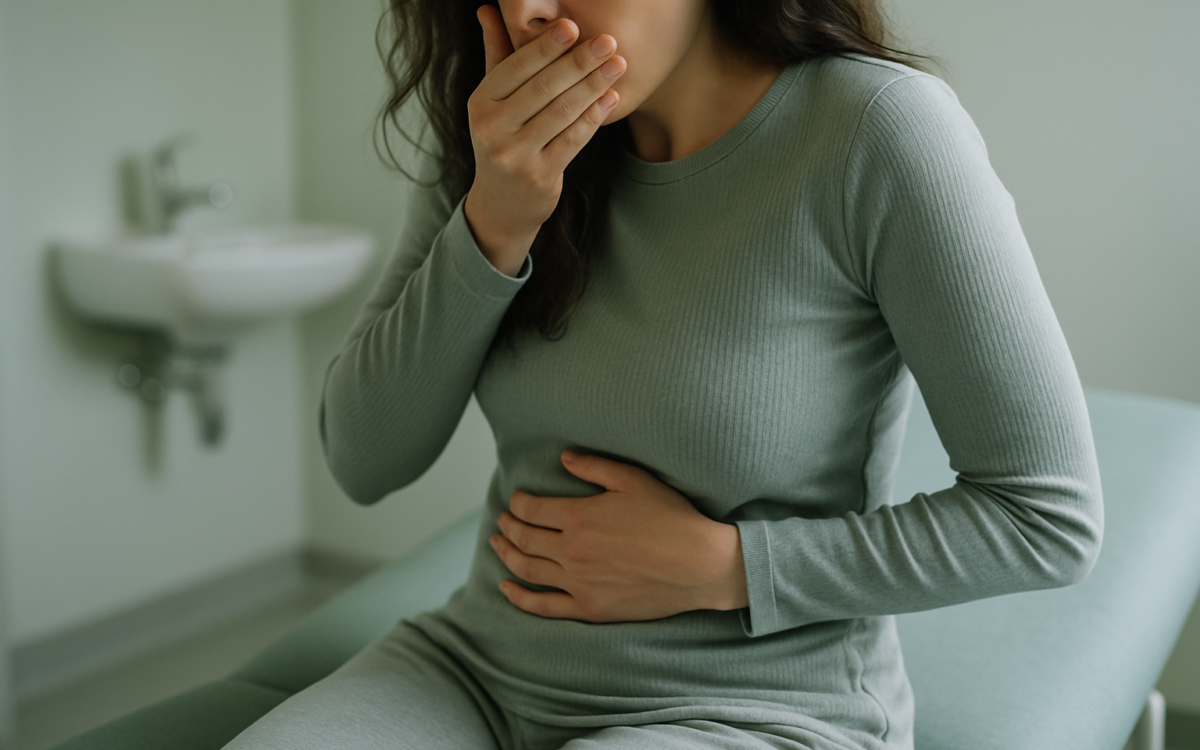
Nausea can be an unsettling experience, especially when it occurs just before your period. Many women may find themselves feeling queasy, experiencing a mix of emotions, discomfort, and even confusion about what is happening in their bodies. Understanding why this occurs and learning how to manage this symptom can make the menstrual experience much more comfortable.
What Causes Nausea Before Your Period?
Nausea before a period often stems from hormonal changes in the body. These fluctuations can trigger a variety of symptoms collectively known as premenstrual syndrome (PMS). During the luteal phase of your menstrual cycle, the body produces higher levels of progesterone, which can affect your gastrointestinal (GI) tract.
Here are some common reasons for nausea before a period:
- Hormonal Changes: The surge in hormones like progesterone and estrogen can lead to changes in your digestion, causing feelings of nausea.
- Digestive Issues: Many women experience gas, bloating, or constipation during PMS, which can lead to nausea.
- Sensitivity to Stress: Emotional stress can exacerbate nausea due to the connection between the brain and the gut.
Other Symptoms Associated with Nausea
Nausea is not usually experienced alone. Other symptoms may accompany it, including:
- Headaches
- Fatigue
- Cramps or abdominal pain
- Mood swings
These symptoms can vary widely in intensity from person to person. While some women may experience mild discomfort, others may find the symptoms disruptive and bothersome.
Managing Nausea Before Your Period
There are several ways to manage nausea before your period. Here are some tips that may help you feel more comfortable:
- Stay Hydrated: Drink enough water throughout the day. Dehydration can worsen nausea.
- Eat Small, Frequent Meals: Eating smaller meals can help keep your blood sugar stable and reduce nausea. Try to choose lighter foods that are less likely to upset your stomach.
- Ginger or Peppermint: Both ginger and peppermint are known for their calming effects on the stomach. You can drink ginger tea or sip peppermint water to help alleviate nausea.
- Regular Exercise: Gentle exercise can help improve your mood and digestion. Consider activities like yoga or walking to relieve stress.
- International Patient Services: If you are located outside your home country and seeking treatment for severe menstrual symptoms, consider exploring international patient services that can provide additional support.
When to Consider Other Causes
While nausea before your period is often linked to hormonal changes, it’s important to consider other potential causes if your symptoms become severe. Conditions such as endometriosis, ovarian cysts, or gastrointestinal disorders may also result in nausea and should be evaluated by a healthcare professional.
Endometriosis, for instance, is a condition where tissue similar to the uterine lining grows outside the uterus. This condition can cause painful periods, digestive issues, and nausea. If nausea is accompanied by severe pain or irregular periods, you should consult with a healthcare provider.
When to See a Doctor
If you frequently experience nausea before your period and find that it disrupts your daily activities, it’s wise to speak with your doctor. You should also seek medical advice if you experience:
- Severe, persistent nausea
- Heaving or vomiting
- Severe abdominal pain
- Changes in your menstrual cycle
A healthcare professional can help determine whether your symptoms are part of PMS or if they may indicate an underlying condition that requires further attention.
Conclusion
Experiencing nausea before your period can be uncomfortable and anxiety-inducing. However, by understanding the causes and implementing some management strategies, you can mitigate the symptoms. Always remember that if your symptoms are severe or persistent, consulting a healthcare professional is a crucial step in maintaining your overall health.
