
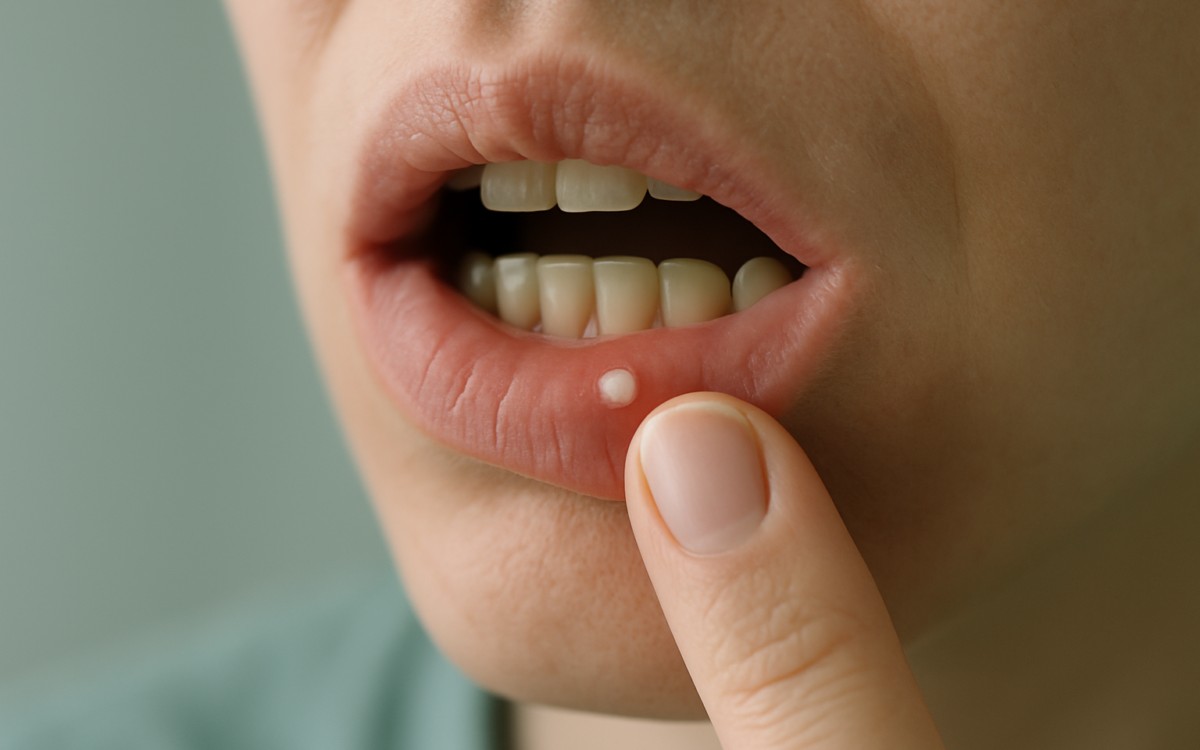
Noticing a white dot on your gums can be concerning, especially if it hurts. Such spots can arise for various reasons, and understanding the causes and treatment options is essential for maintaining good oral health. This article explores the common causes of painful white dots on your gums, along with information on symptoms, prevention, and when to consult a healthcare professional.
Common causes of painful white dots on gums
White dots on gums can appear for various reasons. Some of the most common causes include:
- Canker sores: These small, painful ulcers can develop on the soft tissues of your mouth, including the gums. They are often round with a white or yellow center and a red halo.
- Oral thrush: This fungal infection caused by Candida can lead to white patches on the gums, tongue, and other areas inside the mouth. It may be painful and can occur in anyone, but is more common in those with weakened immune systems.
- Gingivitis: Inflammation of the gums, often due to plaque buildup, can cause swollen and painful gums. Sometimes, gingivitis can lead to the formation of white patches.
- Leukoplakia: This condition manifests as thick, white patches on the gums and can be a sign of irritation or a precancerous condition. It’s essential to monitor any changes in these patches.
- Viral infections: Certain viral infections, such as herpes simplex virus, can also lead to painful lesions in the mouth, including on the gums.
Symptoms to watch for
Along with a white dot, there are several symptoms that may accompany the condition. Some of these include:
- Swelling or redness around the affected area
- Pain or discomfort when eating, drinking, or talking
- Bleeding from the gums
- Bad breath or a metallic taste in the mouth
- Difficulty swallowing or opening your mouth
How to determine the cause
Identifying the cause of a painful white dot on your gums often involves a careful examination and sometimes diagnostic tests. Here are some steps you could take:
- Observe any changes: Keep track of when the white dot appeared, any changes in size or pain level, and other symptoms that accompany it.
- Consider your recent activities: Reflect on any recent injuries to your mouth, changes in diet, or new medications that may have contributed to your symptoms.
- Maintain good oral hygiene: Brushing and flossing regularly can help prevent further irritation and monitor your symptoms more effectively.
Treatment options
Treatment for a painful white dot on your gums will vary depending upon the underlying cause:
Canker sores
Over-the-counter topical treatments can help ease the pain. Oral rinses containing ingredients like hydrogen peroxide or salt water can also promote healing.
Oral thrush
Antifungal medications prescribed by a healthcare provider can treat this condition effectively.
Gingivitis
Improving your oral hygiene routine plus regular dental cleanings can help manage gingivitis and reduce inflammation.
Leukoplakia
If leukoplakia is suspected, a healthcare professional may perform a biopsy to rule out more serious conditions.
Viral infections
Antiviral medications may be necessary if the cause is viral.
Prevention strategies
Taking proactive steps can help reduce the risk of developing painful white dots on your gums:
- Brush your teeth at least twice a day and floss daily.
- Visit your dentist regularly for check-ups and cleanings.
- Avoid tobacco products and limit alcohol consumption, as these can irritate the gums.
- Manage stress through relaxation techniques, as stress can trigger canker sores.
- Stay hydrated; dry mouth can lead to oral infections.
When to see a doctor
If you notice a white dot on your gums that hurts and does not improve within a week or two, or if you experience severe pain, persistent bleeding, or difficulty swallowing, it’s essential to consult a healthcare professional. Early diagnosis and treatment can help prevent complications and promote healing.
Conclusion
A painful white dot on your gums can be a sign of various conditions, some of which may require medical attention. By being aware of the symptoms, potential causes, and treatment options, you can take proactive steps toward better oral health. Remember, it’s essential to refer to a healthcare professional for an accurate diagnosis and personalized care. For more information about oral health, you can refer to reputable sources like the Mayo Clinic or the National Institutes of Health.
