
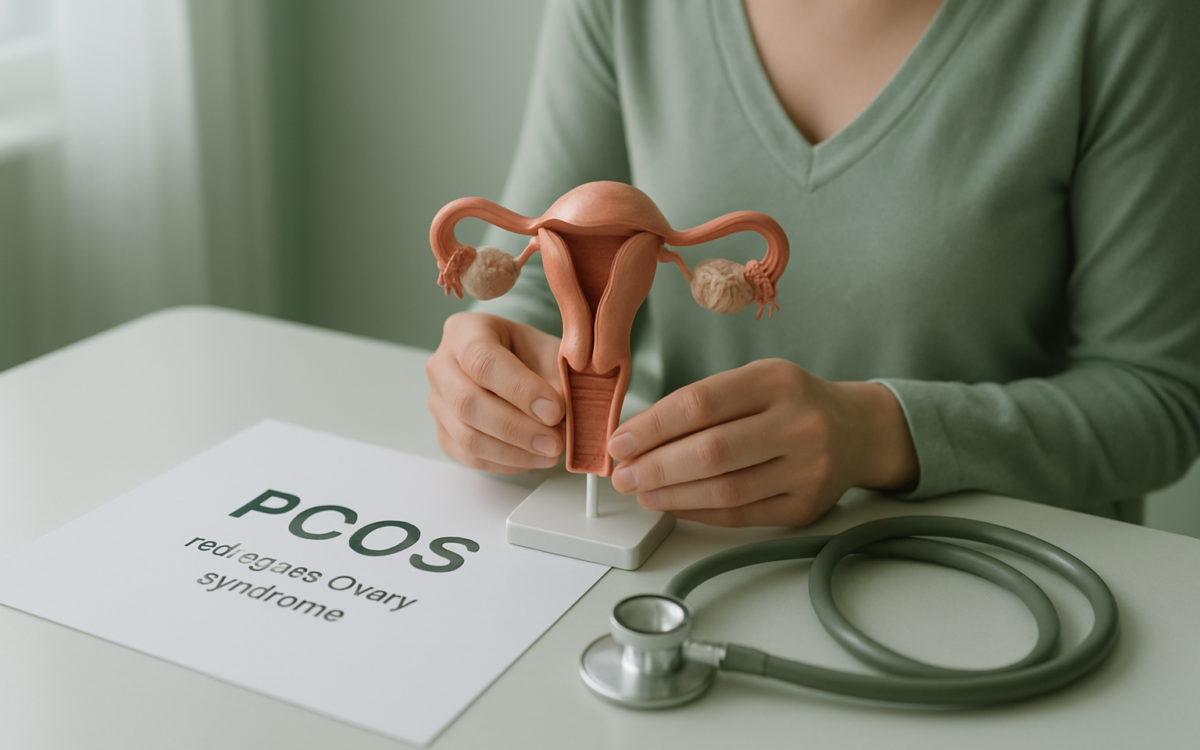
Polycystic Ovary Syndrome (PCOS) can often leave women feeling confused and overwhelmed. This common condition affects how a woman’s ovaries work, leading to a variety of symptoms that can impact both physical and emotional health. Recognizing and understanding PCOS is crucial for those diagnosed with this ovarian disease.
What is PCOS?
Polycystic Ovary Syndrome is a hormonal disorder that affects around 1 in 10 women of childbearing age, according to the CDC. Women with PCOS often experience irregular periods, excessive hair growth, acne, and obesity. Despite its name, not every woman with PCOS will have cysts on her ovaries, but many do. This condition can also lead to a variety of other health issues, including insulin resistance and an increased risk of type 2 diabetes.
Causes of PCOS
The exact cause of PCOS remains unclear, but several factors might play a role:
- Genetics: Studies suggest that PCOS can run in families, indicating a possible genetic link.
- Hormonal Imbalances: Increased levels of androgens, the male hormones present in women, can interfere with ovulation.
- Insulin Resistance: Many women with PCOS have higher levels of insulin, which can lead to weight gain and increased androgen production.
Common Symptoms of PCOS
PCOS presents a range of symptoms that vary from woman to woman. Some of the most common signs include:
- Irrregular Menstrual Cycles: This can manifest as infrequent, irregular, or prolonged menstrual periods.
- Excess Hair Growth: Known as hirsutism, this can lead to unwanted hair on the face, chest, and back due to higher levels of male hormones.
- Acne and Oily Skin: Higher androgen levels can lead to skin problems.
- Weight Gain: Women with PCOS may find it challenging to maintain a healthy weight.
- Thinning Hair: Some may experience hair loss on the scalp as a consequence of hormonal imbalance.
Diagnosing PCOS
A diagnosis of PCOS typically involves several steps. Healthcare providers often use a combination of:
- Health History: Discussing menstrual cycle patterns, family history, and symptoms.
- Physical Exam: A physical exam can help identify signs of excessive hair growth, insulin resistance, and acne.
- Blood Tests: These can confirm hormone levels and check for conditions like diabetes.
- Ultrasound: This imaging technique allows the doctor to see the ovaries for signs of cysts.
Managing PCOS
While there is no cure for PCOS, several management strategies can help control its symptoms:
- Lifestyle Changes: Healthy eating and regular physical activity can help manage weight and insulin levels.
- Medications: Doctors may prescribe birth control pills to regulate periods and reduce symptoms such as hair growth and acne.
- Fertility Treatments: For women with PCOS who wish to conceive, medications to help induce ovulation may be advised.
- Coping Strategies: Support groups and counseling can help manage the emotional impacts of living with PCOS.
Long-term Considerations
PCOS is often a lifelong condition that can lead to serious health complications if not managed appropriately. Women with PCOS may be at higher risk for:
- Diabetes: The connection between insulin resistance and type 2 diabetes is a major concern.
- Heart Disease: Higher levels of blood pressure and cholesterol may increase heart disease risk.
- Endometrial Cancer: Irregular periods can lead to the thickening of the uterine lining, raising risks.
When to See a Doctor
If you suspect you may have PCOS or if you’re experiencing symptoms such as irregular periods, weight changes, or excessive hair growth, it’s crucial to consult a healthcare provider. Early diagnosis and management can significantly improve your quality of life and reduce the risk of complications.
Conclusion
PCOS is a multifaceted condition that impacts many aspects of a woman’s health. Understanding its symptoms, causes, and management options is the first step toward taking control of this ovarian disease. By working closely with a healthcare provider, women can navigate the challenges of PCOS and lead fulfilling, healthy lives.
