
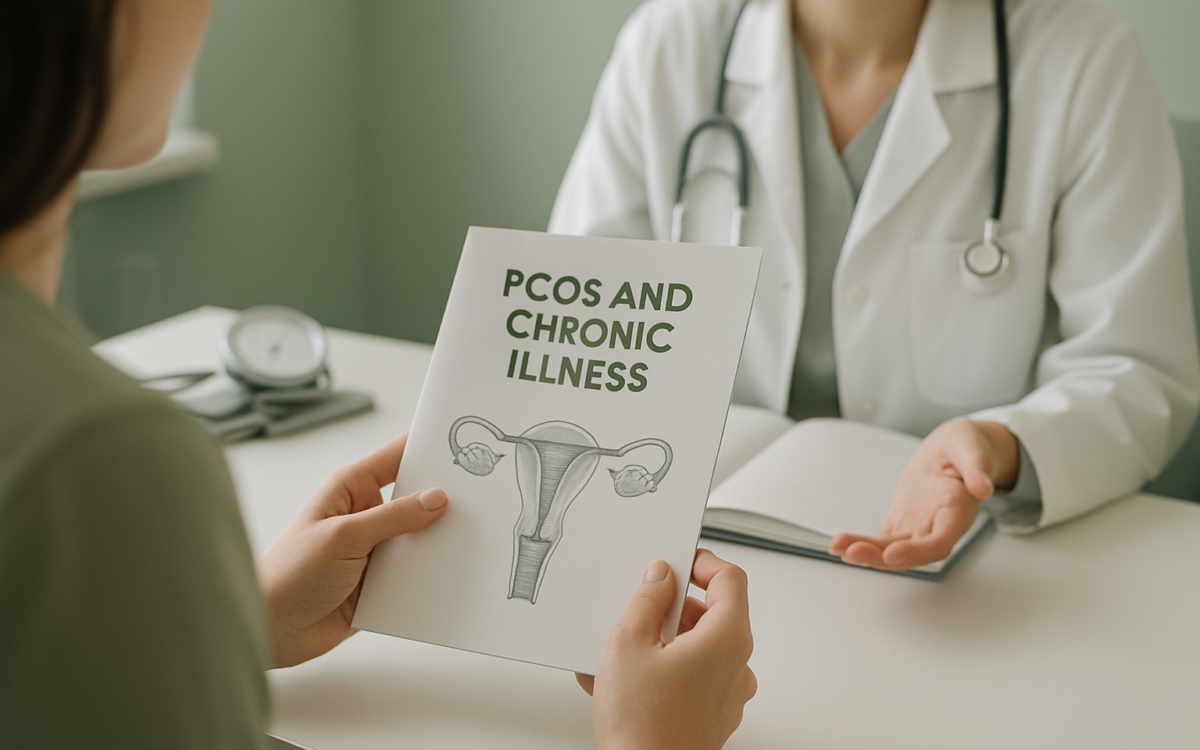
Polycystic ovary syndrome (PCOS) is a condition that affects many women of reproductive age, leading to various physical and emotional challenges. If you’ve heard about PCOS, you might wonder: Is PCOS a chronic illness? The answer to this question can help you understand the condition better, and how it may impact your health in the long run.
What is PCOS?
PCOS is an endocrine disorder characterized by hormonal imbalances that can disrupt a woman’s menstrual cycle and overall reproductive health. Common symptoms include irregular periods, excessive hair growth, acne, and weight gain. Women with PCOS may also develop cysts on their ovaries, though cysts are not necessary for a diagnosis.
The Chronic Nature of PCOS
PCOS is often classified as a chronic illness, meaning it is a long-term condition that requires ongoing management. According to the World Health Organization, PCOS can lead to other health problems if not managed properly. These may include insulin resistance, type 2 diabetes, cardiovascular disease, and infertility.
Chronic Symptoms and Health Risks
- Irregular Menstrual Cycles: Many women experience infrequent or absent menstrual periods.
- Infertility: Hormonal imbalances can make it more difficult to conceive.
- Weight Gain: Many women with PCOS find it harder to maintain a healthy weight.
- Emotional Effects: The symptoms of PCOS, like weight gain and infertility, can lead to anxiety and depression.
The chronic nature of PCOS does not mean that women cannot manage it effectively. However, it does require awareness and commitment to a long-term management strategy.
Understanding the Causes of PCOS
The exact cause of PCOS is not fully understood, but research suggests that various factors, including genetics, insulin resistance, and hormonal imbalances, may contribute to its development. According to the National Institutes of Health, women with a family history of PCOS or diabetes are at a greater risk.
Role of Insulin Resistance
One of the significant factors in PCOS is insulin resistance, where the body’s cells become less responsive to insulin. This can lead to higher levels of insulin in the blood, which may contribute to an increase in androgen production (male hormones), exacerbating PCOS symptoms.
Diagnosis of PCOS
If you suspect you have PCOS, a healthcare provider can help diagnose the condition based on your symptoms, family history, and a physical exam. Common assessments might include:
- Blood tests to measure hormone levels
- Ultrasounds to check for ovarian cysts
- Evaluation of your menstrual cycle
A proper diagnosis is crucial to rule out other conditions that may produce similar symptoms. Getting the right diagnosis may help to tailor a management plan that is effective for you.
Managing PCOS
Managing PCOS often requires a multi-faceted approach that may involve lifestyle changes, medications, and regular monitoring. Here are some common strategies:
Lifestyle Changes
- Maintaining a healthy diet rich in whole foods and low in processed sugars can help manage weight and hormonal balance.
- Regular exercise may improve insulin sensitivity and overall well-being, supporting weight management.
Medications
- Hormonal birth control can regulate menstrual cycles and reduce symptoms like excessive hair growth and acne.
- Metformin is a medication that can improve insulin sensitivity and help with weight loss.
It’s essential to consult with your healthcare provider to determine the best options for you. Individual management plans may vary significantly based on a person’s unique symptoms and health history.
Life with PCOS: Support and Resources
Living with PCOS can be challenging, but many resources are available to help you navigate it effectively. Support groups, both online and in-person, can provide valuable insight and community support. Lifestyle coaches or dietitians specialized in PCOS can also offer guidance tailored to your needs.
Stay Informed
Keeping up-to-date with information about PCOS can empower you. Reliable organizations like the Centers for Disease Control and Prevention offer resources for understanding PCOS. Educating yourself about the condition can aid in having more informed discussions with your healthcare provider.
When to See a Doctor
If you notice symptoms of PCOS such as irregular periods, weight changes, or mood swings, it’s essential to consult a healthcare provider. Early diagnosis and management can significantly improve long-term health outcomes and help mitigate potential complications.
Conclusion
PCOS is a chronic illness requiring ongoing management and awareness. Understanding this condition’s implications allows women to make informed choices about their health. With the right strategies and support, you can effectively manage PCOS and lead a healthy life.
