
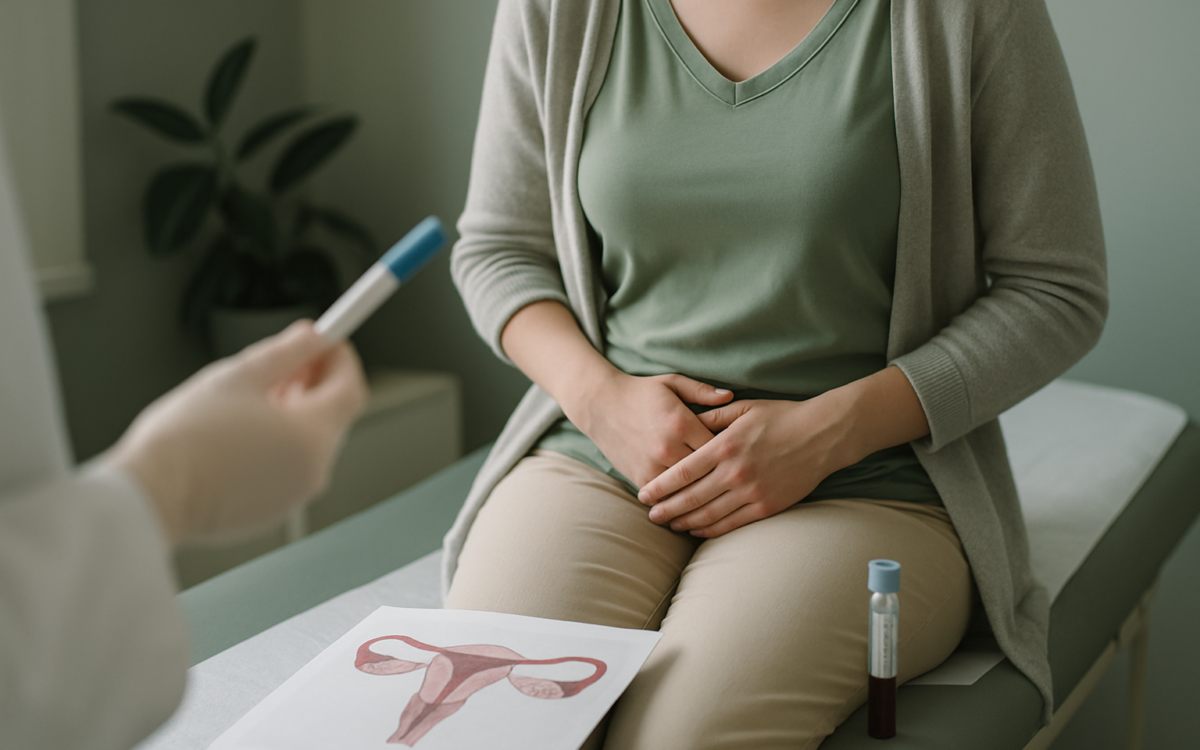
Polycystic Ovary Syndrome, commonly known as PCOS, is a condition that affects many women of reproductive age. While it can bring various symptoms like irregular periods and excessive hair growth, one of the most challenging aspects many face is infertility. Understanding PCOS and how it impacts fertility is essential for those seeking to conceive.
What is PCOS?
PCOS is a hormonal disorder characterized by a range of symptoms, including irregular or absent menstrual cycles, excess androgen levels, and cysts in the ovaries. These symptoms can significantly disrupt a woman’s reproductive health, potentially making it more difficult to conceive.
How PCOS Affects Ovulation
The primary way that PCOS can lead to infertility is through its impact on ovulation. Many women with PCOS do not ovulate regularly due to hormonal imbalances. Anovulation, or lack of ovulation, means that the ovaries do not release eggs, making it nearly impossible to conceive.
The hormonal imbalance in PCOS often results in elevated levels of androgens, which are male hormones that can interfere with the normal development of eggs in the ovaries. This creates a cycle where the ovaries may develop multiple follicles (cysts), but none successfully release an egg during the menstrual cycle.
Signs of Infertility in Women with PCOS
Women with PCOS may not always recognize the signs of infertility. Here are some key indicators:
- Irregular Menstrual Cycles: Having very few or absent periods may indicate issues with ovulation.
- Difficulty Conceiving: If you’ve been trying to conceive for over a year (or six months if you’re over 35) without success, it may be time to seek help.
- Changes in Hair Growth: Excess hair on the face, chest, or back due to elevated androgens can be a sign of hormonal imbalance.
Treatment Options for PCOS-Related Infertility
Fortunately, there are several treatment options available for women with PCOS seeking to conceive. Here are some common approaches:
1. Lifestyle Changes
Weight loss and healthy lifestyle changes can significantly improve symptoms of PCOS and promote regular ovulation. Even a modest weight loss of 5-10% of body weight can help restore normal hormonal balance.
2. Medications
Hormonal medications such as birth control pills may be prescribed to regulate menstrual cycles and manage symptoms. For those trying to conceive, medications like clomiphene citrate (Clomid) can stimulate ovulation.
3. Assisted Reproductive Technologies
For women who do not respond to medications or those with more complex cases, assisted reproductive technologies (ART) such as in vitro fertilization (IVF) may be recommended. These treatments can be highly effective but may come with financial and emotional considerations.
4. International Treatment Perspectives
For individuals considering advanced treatments, there are international options available. Clinics like Acibadem International offer specialized services for PCOS and infertility, combining state-of-the-art technology with personalized care to help women worldwide achieve their reproductive goals.
Emotional Impact of PCOS and Infertility
The journey through infertility can be emotionally challenging. Women with PCOS may experience feelings of frustration, sadness, or isolation. It’s important to seek support from friends, family, or professional counseling to navigate these feelings. Support groups can also provide a sense of community and understanding among those facing similar experiences.
When to See a Doctor
If you have PCOS and are struggling with fertility, it’s important to consult a healthcare professional. They can provide personalized advice and help you navigate your options. Additionally, if you experience sudden changes in your menstrual cycle, severe pain, or any symptoms that worry you, don’t hesitate to reach out for medical advice.
PCOS does not have to defined your journey to motherhood. With understanding, the right treatments, and support, many women with PCOS successfully conceive. Take the first step towards managing your health by consulting with your doctor.
