
Polycystic Ovary Syndrome, commonly known as PCOS, is a hormonal disorder affecting many women of reproductive age. With symptoms that can vary widely, diagnosing PCOS often requires careful evaluation. Understanding the diagnostic criteria is essential for getting the right support and treatment. In this article, we’ll dive into the key aspects of PCOS diagnosis, the symptoms to watch for, and what steps to take if you suspect you have this condition.
What is PCOS?
Before delving into the diagnostic criteria, it’s crucial to understand what PCOS is. PCOS is characterized by a combination of symptoms caused by hormonal imbalances. These imbalances can lead to irregular menstrual cycles, excess androgen levels, and the presence of multiple cysts in the ovaries. While the exact cause of PCOS is unknown, genetics and environmental factors likely play a role.
Diagnostic Criteria for PCOS
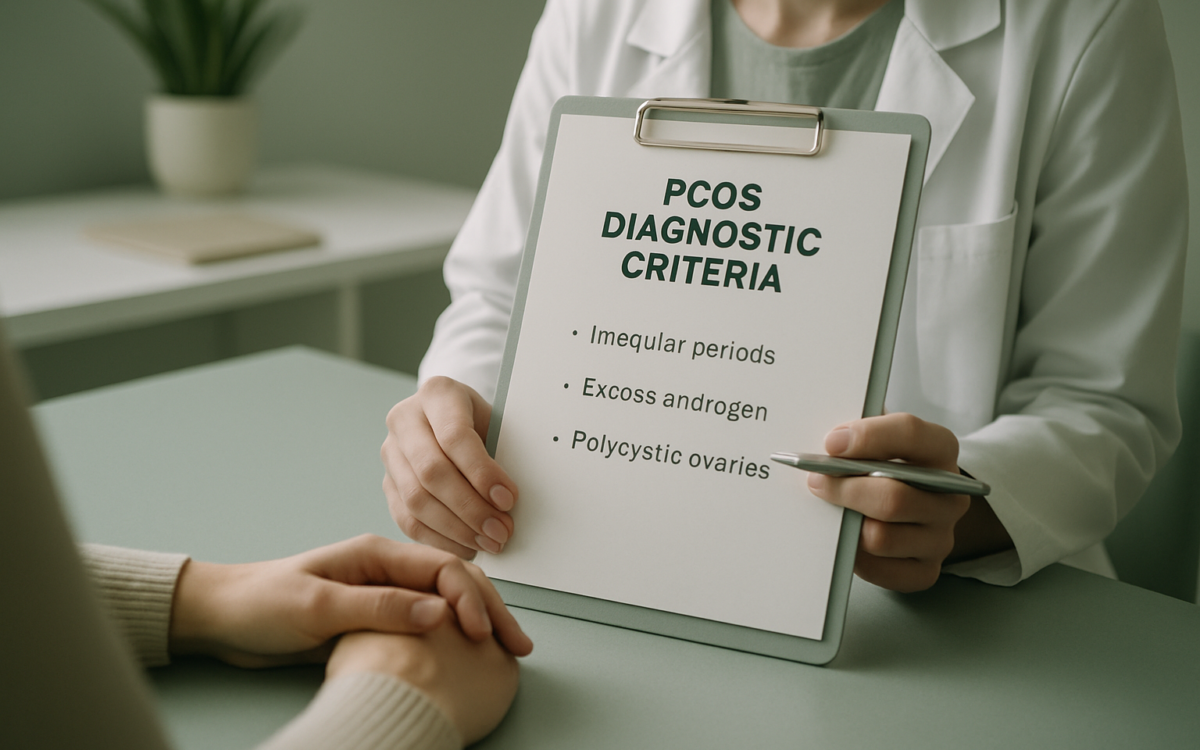
The most widely accepted guidelines for diagnosing PCOS come from the Rotterdam Criteria, established in 2003. According to this criteria, a woman is diagnosed with PCOS if she meets at least two of the following three conditions:
- Irregular Menstrual Cycles: This refers to infrequent, absent, or excessively long menstrual cycles. Women with PCOS may have fewer than eight menstrual periods a year.
- Excess Androgen Levels: This can manifest in physical symptoms such as excessive body hair (hirsutism), acne, and male-pattern baldness. Blood tests may be used to measure androgen levels.
- Polycystic Ovaries: An ultrasound may reveal enlarged ovaries containing many small cysts. However, it’s important to note that having cysts alone does not confirm a PCOS diagnosis; they must be accompanied by other symptoms.
Other Symptoms to Watch For
As mentioned, women with PCOS may experience a variety of symptoms. In addition to those listed in the diagnostic criteria, other common signs include:
- Weight Gain: Many women with PCOS struggle with weight gain or find it difficult to lose weight.
- Skin Issues: This can include oily skin and fungal infections.
- Infertility: Hormonal imbalances can affect ovulation, leading to difficulties in conceiving.
If you notice several of these symptoms, it could be a sign that you should consult a healthcare provider.
Tests and Procedures for Diagnosis
Once you speak with a healthcare professional about your symptoms, they may recommend a series of tests to help confirm a PCOS diagnosis. These can include:
- Physical Exam: The provider may check for signs of excess hair growth, acne, and weight gain.
- Blood Tests: These can measure hormone levels, including testosterone and insulin, to check for abnormalities.
- Ultrasound: An ultrasound may be performed to examine the ovaries and check for cysts and other abnormalities.
It’s crucial to note that PCOS is a diagnosis of exclusion, meaning healthcare providers will rule out other conditions with similar symptoms before confirming a diagnosis.
Understanding the Implications of a PCOS Diagnosis
Receiving a PCOS diagnosis can be overwhelming, but it also opens the door to effective management strategies. Recognizing the condition early can lead to interventions that help restore hormonal balance and improve symptoms. Treatment options may include lifestyle changes, medication to regulate menstrual cycles, and therapies to manage other symptoms like hirsutism and acne.
When to See a Doctor
If you experience irregular periods, significant weight gain, or other symptoms commonly associated with PCOS, it is essential to consult a healthcare provider. Early diagnosis and intervention can significantly improve your quality of life and reduce the risk of long-term complications, such as diabetes and heart disease. Additionally, if you are trying to conceive and facing challenges, discussing your situation with a doctor may provide useful insights and help gauge your reproductive health.
Conclusion
Understanding the diagnostic criteria for PCOS is the first step towards managing this common hormonal disorder. If you think you might have PCOS, reaching out to a healthcare provider is essential. Through careful evaluation, they can confirm the diagnosis and work with you to develop a personalized treatment plan. Remember, understanding your body is crucial for your overall health and well-being.
