
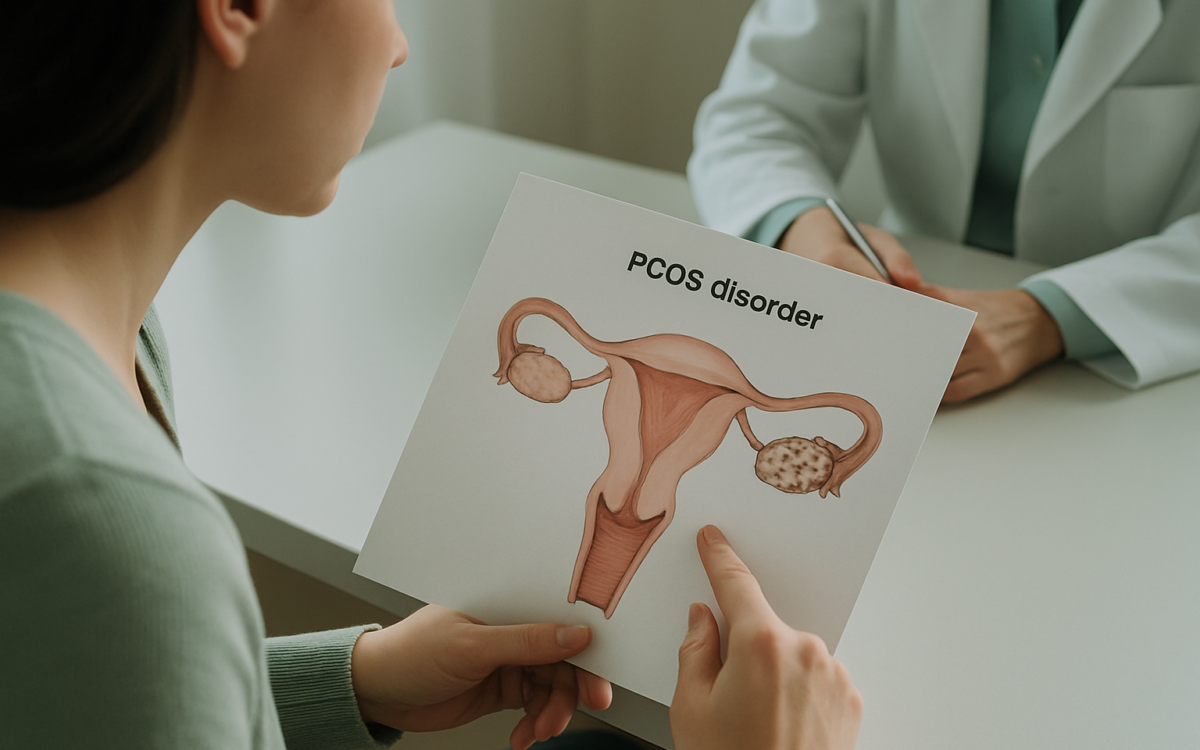
Polycystic Ovary Syndrome (PCOS) is a complex hormonal disorder that affects many women during their reproductive years. Despite being common, its symptoms can often be confusing and overwhelming. In this article, we’ll break down what PCOS is, its symptoms, potential causes, and management strategies to help you navigate this condition.
What is PCOS?
PCOS is a hormonal disorder that can interfere with ovulation, causing irregular menstrual cycles and hormonal imbalances. Women with PCOS may have higher levels of androgens, sometimes referred to as ‘male hormones,’ which can lead to various health complications. According to the National Institutes of Health (NIH), PCOS affects approximately 1 in 10 women of childbearing age, making it a significant health concern.
Symptoms of PCOS
Symptoms of PCOS can vary widely, and not every woman will experience all of them. Common symptoms include:
- Irregular Menstrual Cycles: You might have longer or fewer periods than usual.
- Excess Hair Growth: Many women with PCOS deal with hirsutism, or unwanted hair on the face, chest, or back.
- Weight Gain: Difficulty maintaining a healthy weight is common.
- Acne and Oily Skin: Hormonal imbalances can lead to skin issues.
- Thinning Hair: Some may experience hair loss on the scalp.
- Ovarian Cysts: Ultrasounds may show multiple cysts on the ovaries, although not all women with PCOS have cysts.
These symptoms can lead to emotional challenges, including anxiety and depression, as many women navigate their health and personal lives in the face of these issues.
Understanding the Causes
The exact cause of PCOS remains unclear, but several factors may contribute. Hormonal imbalances play a significant role, as do genetics and insulin resistance.
1. Hormonal Imbalances: In PCOS, the ovaries may produce excessive amounts of androgens, which can disrupt the normal functioning of the menstrual cycle.
2. Genetics: There’s a higher chance of developing PCOS if it runs in your family, indicating that genetic factors might influence its onset.
3. Insulin Resistance: Many women with PCOS have insulin resistance, which means their bodies cannot efficiently use insulin. This can lead to weight gain and exacerbate other PCOS symptoms.
While these factors may contribute to the development of PCOS, it’s important to remember that each woman’s experience is unique.
Diagnosing PCOS
Diagnosing PCOS can be tricky because its symptoms can overlap with other conditions. Healthcare providers typically use a combination of methods to diagnose PCOS, including:
- A thorough health history and symptom assessment.
- Physical examinations to check for signs of excess hair growth, acne, or other symptoms.
- Blood tests to measure hormone levels.
- Ultrasound exams to examine the ovaries and check for cysts.
Your healthcare provider will help determine a diagnosis based on your symptoms, test results, and overall health.
Managing PCOS
While there’s currently no cure for PCOS, many management strategies can help alleviate symptoms and improve overall health:
1. Lifestyle Changes
Maintaining a healthy lifestyle is crucial. This involves eating a balanced diet rich in whole foods, regular physical activity, and managing stress levels. Weight loss can be particularly beneficial for women with PCOS, as it can help regulate menstrual cycles and improve insulin sensitivity.
2. Medications
Your doctor may prescribe medications to manage specific symptoms of PCOS:
- Hormonal birth control: Can help regulate menstrual cycles and reduce symptoms such as acne and excess hair growth.
- Metformin: This insulin-sensitizing medication can help improve insulin resistance and aid in weight management.
- Anti-androgens: Medications like spironolactone can help reduce excess hair growth and improve skin appearance.
Always consult your doctor before starting any new medication or treatment.
3. Alternative Therapies
Some women find relief through alternative therapies. Acupuncture, yoga, and mindfulness meditation may help reduce stress and improve symptoms for certain individuals.
4. Support Groups
Connecting with other women facing similar challenges can be incredibly helpful. Support groups, whether in-person or online, provide a platform for sharing experiences, tips, and encouragement.
When to See a Doctor
If you suspect you may have PCOS or are experiencing symptoms like irregular periods, weight gain, or excessive hair growth, it’s essential to consult with your healthcare provider. Early diagnosis and management can significantly improve your quality of life and reduce the risk of complications.
Conclusion
Understanding PCOS disorder is the first step toward effectively managing it. With proper diagnosis, lifestyle changes, and medical support, many women can lead fulfilling lives while dealing with this condition. If you have concerns about PCOS, remember that you are not alone, and don’t hesitate to seek help from a medical professional.
