
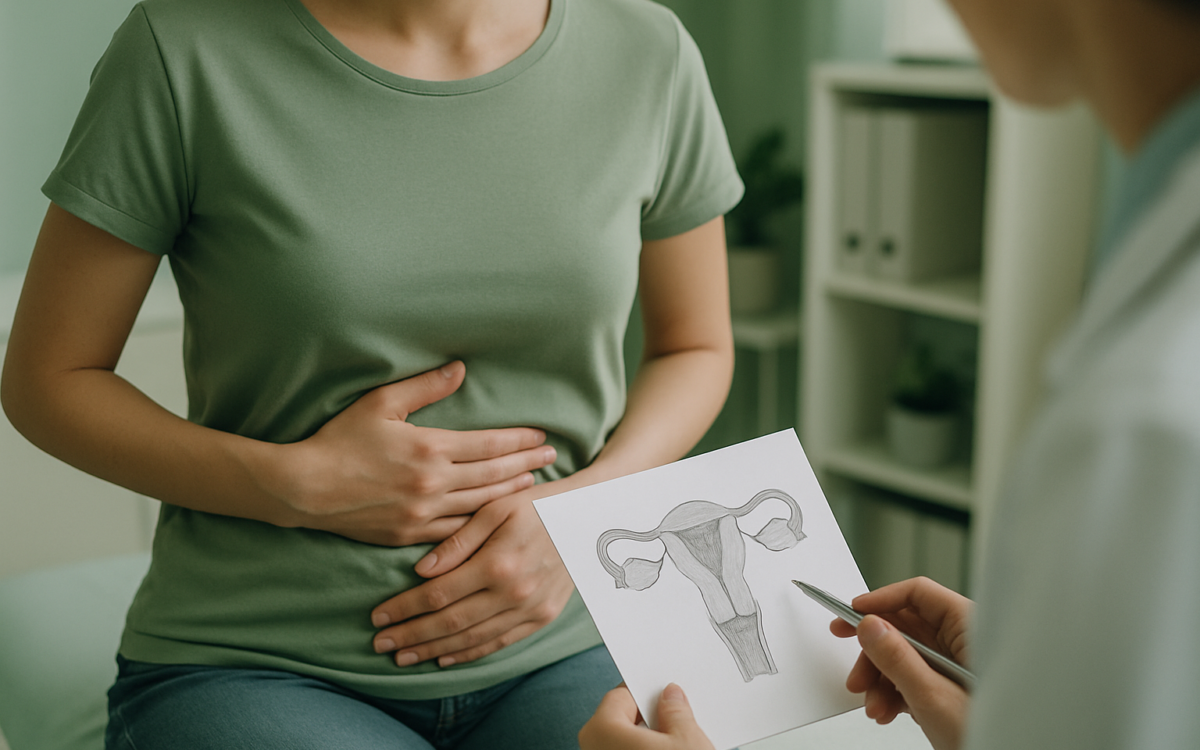
Polycystic ovary syndrome (PCOS) affects millions of women worldwide, yet it remains a largely misunderstood condition. If you’re wondering, ‘Do I have PCOS?’ you’re not alone. Many people experience symptoms that can often be misattributed to other health issues. This article will help you understand more about PCOS, its common signs and symptoms, and when to consult a healthcare professional.
What is PCOS?
Polycystic ovary syndrome is a hormonal disorder that affects women during their reproductive years. It’s characterized by a combination of symptoms related to hormonal imbalance, such as irregular periods, excess hair growth, and weight changes. The term ‘polycystic’ refers to the presence of multiple small cysts on the ovaries that can develop due to hormone imbalances.
Common Symptoms of PCOS
If you suspect you might have PCOS, it’s important to recognize the symptoms that often accompany the condition. Here are some of the most common signs to look out for:
- Irregular Menstrual Cycles: Women with PCOS may experience irregular, missed, or very light periods.
- Excess Hair Growth: Known as hirsutism, this symptom includes hair growth on the face, chest, and back.
- Weight Gain: Many women with PCOS may struggle with weight gain or obesity, particularly around the abdomen.
- Skin Changes: This can include acne, oily skin, or dark patches of skin known as acanthosis nigricans.
- Thinning Hair: Some may notice thinning hair on the scalp, which can resemble male-pattern baldness.
Causes and Risk Factors
The exact cause of PCOS is not fully understood, but several factors may contribute to its development:
- Genetics: A family history of PCOS may increase your chances of developing the condition.
- Insulin Resistance: Many women with PCOS have insulin resistance, which can lead to weight gain and other symptoms.
- Inflammation: Studies suggest that low-grade inflammation may play a role in PCOS, possibly affecting ovarian function.
Despite these possible causes, every woman’s experience with PCOS varies widely. Some may exhibit all symptoms, while others may experience only a few.
Diagnosis of PCOS
If you’re concerned about PCOS, it’s important to talk with your doctor. Diagnosis typically involves a combination of a physical exam, medical history review, and possibly some imaging tests or blood tests. Your healthcare provider may look for the following:
- Symptoms Assessment: They’ll ask about your symptoms and medical history.
- Blood Tests: Hormonal levels will be checked to rule out other conditions affecting your menstrual cycle.
- Ultrasound: This imaging test can reveal the presence of cysts on the ovaries.
Doctors often use the Rotterdam criteria for diagnosing PCOS, which requires two of the following three criteria: irregular ovulation, elevated androgen levels, or polycystic ovaries visible on ultrasound.
Treatment Options
Treatment for PCOS is highly individualized and may depend on the specific symptoms you’re experiencing. Some common approaches include:
- Lifestyle Changes: Weight loss through a balanced diet and exercise is beneficial for many women, especially those who are overweight.
- Medications: Hormonal contraceptives, such as birth control pills, may help regulate menstrual cycles and manage symptoms like excess hair growth.
- Fertility Medications: If pregnancy is a goal, medications such as Clomid may be prescribed to help ovulation.
In recent years, many women have also sought treatment in Turkey, where advanced options and specialists focus on PCOS care.
Emotional Impact of PCOS
Beyond physical symptoms, PCOS can also have an emotional impact. Women with the condition may experience anxiety, depression, or feelings of isolation due to the challenges it presents. It’s not uncommon to feel overwhelmed by the various symptoms or to struggle with body image issues. Connecting with support groups or speaking to a mental health professional can be valuable steps in managing emotional well-being.
When to See a Doctor
If you experience any of the symptoms mentioned earlier, or have concerns about your menstrual cycle or overall health, it’s important to consult a healthcare provider. They can provide a thorough evaluation and help determine whether PCOS or another health issue may be affecting you.
Conclusion
Understanding whether you have PCOS can be the first step towards managing your health and enhancing your quality of life. With the right support and treatment, many women successfully navigate the challenges of PCOS. If you suspect you may have this condition, don’t hesitate to reach out to a healthcare professional for guidance and support.
