
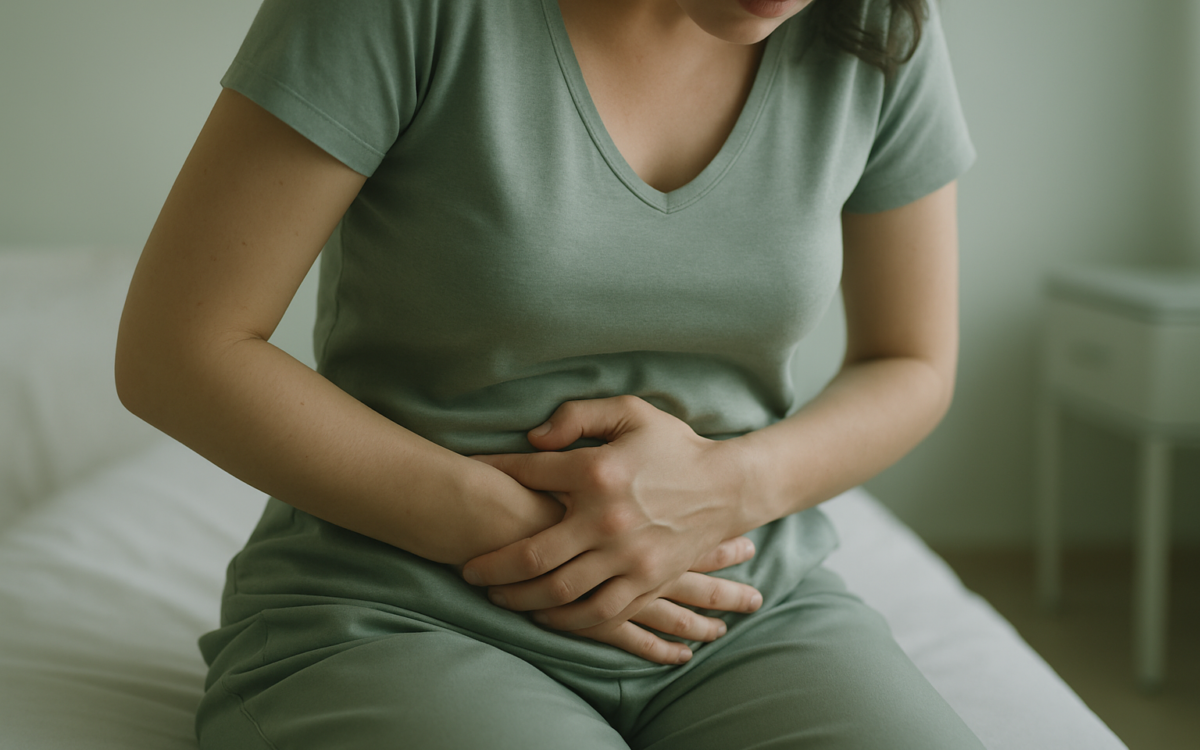
Polycystic Ovary Syndrome (PCOS) affects millions of women worldwide, yet many still struggle to understand its implications, especially when it comes to pain. If you or someone you know experiences this condition, you might be wondering what causes the discomfort, how to manage it, and when to seek help. Let’s dive into the world of PCOS pain to shed light on this often-misunderstood aspect of the syndrome.
What Is PCOS?
PCOS is a hormonal disorder that impacts the ovaries, leading to a range of symptoms, including irregular menstrual cycles, weight gain, and acne. However, one of the lesser-discussed symptoms is pain. Understanding PCOS means recognizing the link between hormonal imbalances and physical discomfort.
Types of Pain Associated with PCOS
Women with PCOS may experience various types of pain. Here are some of the common ones:
- Pelvic Pain: This can stem from ovarian cysts, which can become enlarged and cause discomfort.
- Menstrual Cramps: Irregular or painful periods are frequent in women with PCOS due to hormonal imbalances.
- Weight-Related Pain: Many women with PCOS are overweight, which can lead to joint and back pain.
- Endometriosis Pain: Since women with PCOS are at a higher risk for endometriosis, they may experience chronic pelvic pain related to this condition.
Why Does PCOS Cause Pain?
The pain associated with PCOS often arises from hormonal disruptions. The body produces an excess of androgens, which can lead to various symptoms, including inflammation and cyst formation. When these cysts grow on the ovaries, they can cause pain as they put pressure on surrounding tissues. Hormonal imbalances can also result in irregular periods, leading to more intense cramping pain.
Managing PCOS Pain
While PCOS pain can be challenging, several management strategies may help alleviate symptoms:
1. Lifestyle Changes
Regular exercise and a healthy diet can significantly impact PCOS symptoms. Aim to maintain a balanced diet rich in whole grains, fruits, and vegetables. Exercise helps to manage weight and can decrease inflammation, which may reduce pain.
2. Medications
Consult your healthcare provider about medications that may help with pain management. Hormonal birth control methods, for instance, can regulate the menstrual cycle and alleviate painful cramps. Pain relievers like ibuprofen may also offer temporary relief from discomfort.
3. Alternative Therapies
Some people find relief through alternative approaches like acupuncture, yoga, or mindfulness practices. These methods can ease stress and promote relaxation, potentially helping with pain management.
4. Support and Education
Joining a support group or connecting with others who have PCOS can provide emotional support and practical tips for managing pain. Education about the condition can empower women to take charge of their health and advocate for appropriate treatment.
When to See a Doctor
If you find that your pain is severe, persistent, or worsening, it is essential to consult a healthcare provider. They can help determine the underlying cause and recommend appropriate treatment. Additionally, if you experience symptoms such as heavy bleeding, fever, or nausea, seek medical attention promptly. Monitoring your symptoms closely is crucial to ensuring that your PCOS is managed effectively.
Conclusion
Living with PCOS pain can be tough, but understanding the condition and your options can make a positive difference. By making lifestyle changes, considering medications, exploring alternative therapies, and staying informed, women with PCOS can take steps toward alleviating discomfort. Remember to maintain an open dialogue with your healthcare provider to find the best strategies for your unique situation. Together, they can help you navigate the complexities of PCOS and improve your quality of life.
