
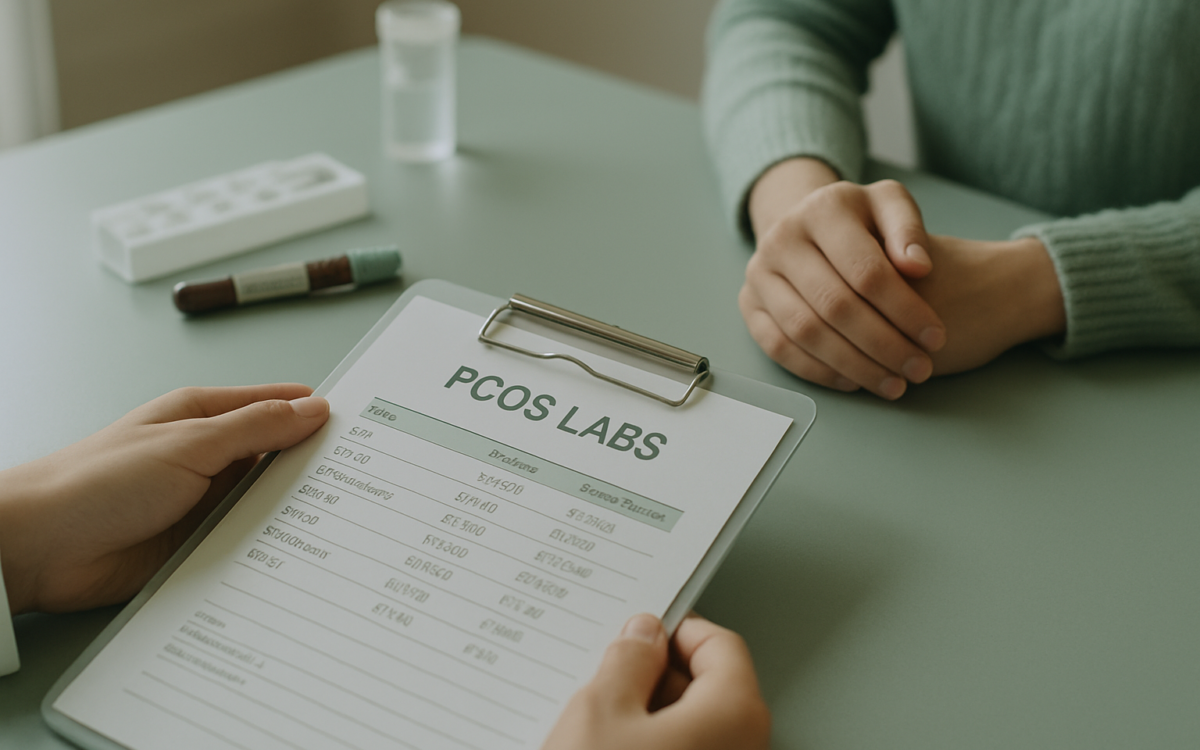
Polycystic ovary syndrome, commonly known as PCOS, is a complex hormonal disorder that affects many women during their reproductive years. Understanding what’s going on inside the body is key to effectively managing this condition. Laboratory tests play a significant role in both diagnosing PCOS and monitoring related health issues. In this article, we’ll explore the various lab tests used in the diagnosis and management of PCOS, and how they can guide treatment options.
What is PCOS?
PCOS affects around 1 in 10 women of reproductive age. It can lead to a range of symptoms, including irregular periods, excessive hair growth, weight gain, and fertility challenges. The exact cause of PCOS remains unclear, but it is believed to involve a combination of genetic, hormonal, and environmental factors.
The Importance of Lab Tests
Diagnosis of PCOS often begins with a thorough medical history and physical examination. However, lab tests are essential to confirm the diagnosis, assess hormone levels, and identify any associated conditions.
Common Lab Tests for PCOS
Several lab tests can help provide a complete picture of a woman’s hormonal health. Here are some of the most common:
- Hormonal Testing: This typically includes measuring levels of hormones like estrogen, testosterone, and progesterone. Elevated levels of androgens like testosterone can indicate PCOS.
- Thyroid Function Tests: Since thyroid imbalances can mimic or worsen PCOS symptoms, these tests help evaluate thyroid health.
- Glucose and Insulin Levels: Women with PCOS often experience insulin resistance, so tests to measure glucose and insulin levels are important.
- Lipid Profile: A lipid panel can assess cholesterol and triglyceride levels, which are often elevated in women with PCOS.
How Lab Results Shape Treatment
Once lab results are available, they can greatly influence treatment choices. For example, hormonal imbalances may be addressed through hormonal birth control or anti-androgens like spironolactone. If insulin resistance is present, lifestyle changes such as improved diet and exercise may be recommended. Alternatively, medications like metformin can help manage insulin levels.
In some cases, women may explore treatment in Turkey for comprehensive PCOS management options that integrate both Western and alternative therapies.
Advanced Testing Options
In addition to standard lab tests, there are advanced testing methods that can provide further insight:
- Transabdominal or Transvaginal Ultrasound: While not a lab test per se, ultrasounds can help visualize the ovaries and detect cysts.
- Laparoscopy: In some cases, a doctor may recommend this minor surgical procedure to visually inspect the ovaries and remove cysts.
Monitoring Long-Term Health Implications
Women with PCOS are at an increased risk for several chronic health issues, including type 2 diabetes, heart disease, and endometrial cancer. Therefore, ongoing monitoring through lab tests is critical. Regularly testing glucose levels, cholesterol, and hormone levels can help detect any changes early on, enabling timely interventions.
When to See a Doctor
If you suspect you have PCOS due to symptoms like irregular periods, excessive hair growth, or weight gain, it’s important to consult with a healthcare provider. They can perform the necessary examinations and order lab tests to help you understand your health status.
Conclusion
Understanding the role of lab tests in diagnosing and managing PCOS is crucial for anyone navigating this condition. From hormonal imbalances to insulin resistance, lab results provide the necessary information to tailor effective treatment options. If you’re experiencing symptoms of PCOS, consider speaking with your healthcare provider about the appropriate lab tests to take charge of your health.
