
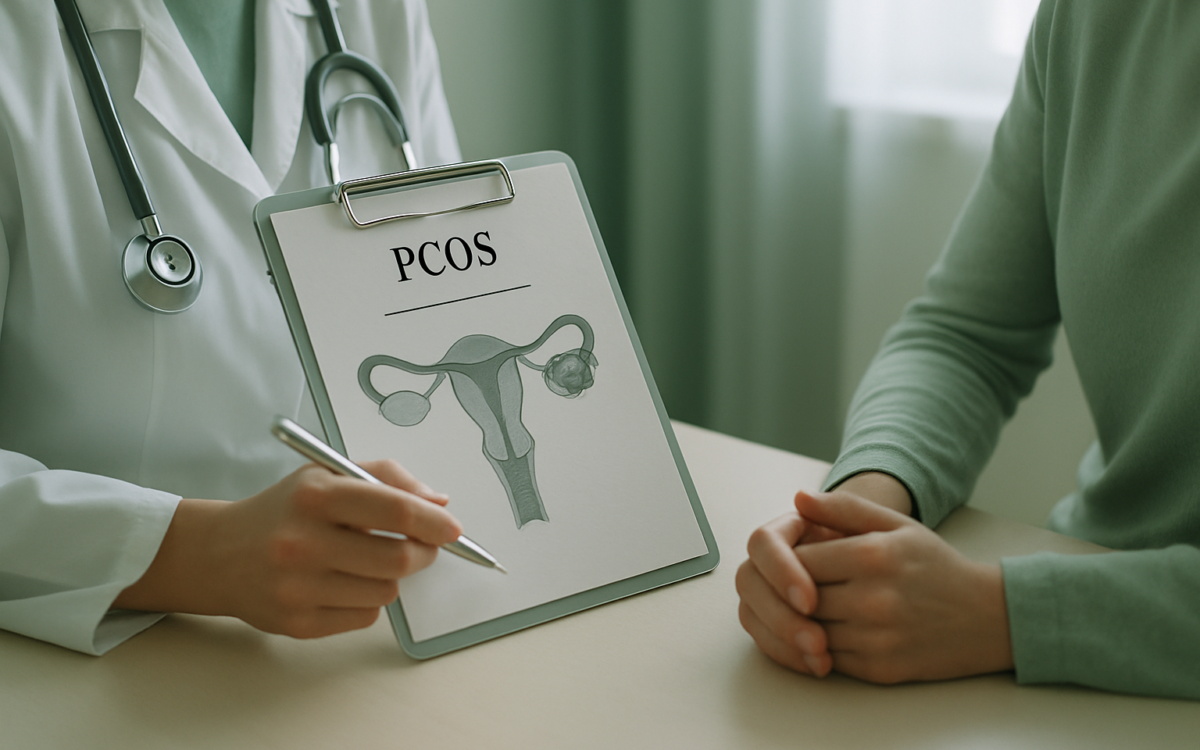
Polycystic Ovary Syndrome (PCOS) is a condition that affects many women, yet many may not fully understand what it involves. It’s more than just a name—it’s a complex hormonal disorder that can lead to various health issues. Understanding PCOS is key to managing its symptoms and improving quality of life.
What Is PCOS?
PCOS is a hormonal disorder that commonly affects women of reproductive age. The exact cause is still unclear, but it is believed to involve a combination of genetic and environmental factors. Women with PCOS typically have higher levels of androgens, commonly referred to as male hormones, even though they are present in lower amounts in females.
Key Symptoms of PCOS
The symptoms of PCOS can vary widely from person to person. Some of the most common signs include:
- Irregular menstrual cycles
- Excess hair growth (hirsutism) on the face and body
- Acne or oily skin
- Weight gain or difficulty losing weight
- Thinning hair or hair loss on the scalp
These symptoms not only impact physical health but can also affect emotional wellbeing and self-esteem. It’s essential to recognize these signs early, as timely management can significantly improve outcomes.
How Is PCOS Diagnosed?
Diagnosing PCOS usually involves a thorough medical history review, a physical examination, and possibly some laboratory tests. Doctors may check for hormone levels, perform ultrasounds, or evaluate insulin resistance. According to the NIH, the diagnosis often follows the Rotterdam criteria, which require at least two of the following symptoms:
- Irregular or absent menstrual cycles
- Excess androgen levels
- Polycystic ovaries visible on ultrasound
It’s important to note that a correct diagnosis can help rule out other conditions that might present similar symptoms.
The Impact of PCOS on Health
PCOS can have several long-term health implications. Women with PCOS are at a higher risk for developing conditions such as type 2 diabetes, high blood pressure, and heart disease. Additionally, fertility issues can arise due to irregular ovulation or hormonal imbalances. According to the Mayo Clinic, managing PCOS effectively can help reduce these risks.
Managing PCOS
While there is no cure for PCOS, several effective management strategies can help alleviate symptoms. Lifestyle changes, such as getting regular exercise and eating a balanced diet, are often recommended to help with weight management and hormonal balance. Weight loss, even a small amount, can significantly impact symptoms. In some cases, medications such as hormonal birth control may be prescribed to help regulate menstrual cycles and manage other symptoms.
Support and Resources
Finding a support system can also be helpful for women facing PCOS. Many organizations and online communities offer resources, support groups, and information for those navigating this condition. Connecting with others who share similar experiences can make managing PCOS feel less isolating.
When to See a Doctor
If you suspect you may have PCOS due to symptoms like irregular periods, excessive hair growth, or struggles with weight management, it’s important to consult with a healthcare provider. Early diagnosis and intervention can help manage the condition effectively and reduce potential risks of long-term complications.
Conclusion
Understanding PCOS is crucial for many women. By recognizing the symptoms, seeking appropriate medical care, and exploring effective management strategies, women can take proactive steps in their health journey. Remember, it’s important to consult a healthcare provider for personalized advice and support.
