
Polycystic Ovary Syndrome (PCOS) is a common hormonal disorder that affects women of reproductive age. It can lead to various symptoms such as irregular menstrual cycles, weight gain, and difficulties with fertility. While understanding your body is the first step towards managing PCOS, getting a proper diagnosis is essential. This article will help you learn how to get tested for PCOS and what to expect during the process.
Recognizing the Symptoms of PCOS
Before diving into how to get tested for PCOS, it’s important to recognize its potential symptoms. While symptoms can vary widely among individuals, some common signs include:
- Irregular or missed periods
- Excess body hair growth (hirsutism)
- Acne or oily skin
- Thinning hair or hair loss
- Weight gain, especially around the abdomen
- Difficulty getting pregnant
If you find yourself experiencing several of these symptoms, it may be time to consult with a healthcare professional.
Consulting a Healthcare Provider
The first step in getting tested for PCOS is to consult your primary care provider or a gynecologist. They will ask about your symptoms, medical history, and any family history of hormonal disorders. Be prepared to discuss:
- Your menstrual cycle history
- Weight changes
- Skin changes (acne or excessive hair growth)
- Any other health concerns you may have
At this visit, your healthcare provider may perform a physical examination and check your vital signs, providing a holistic view of your health.
Diagnostic Tests for PCOS
If your doctor suspects PCOS, they might recommend several diagnostic tests to confirm the diagnosis. These could include:
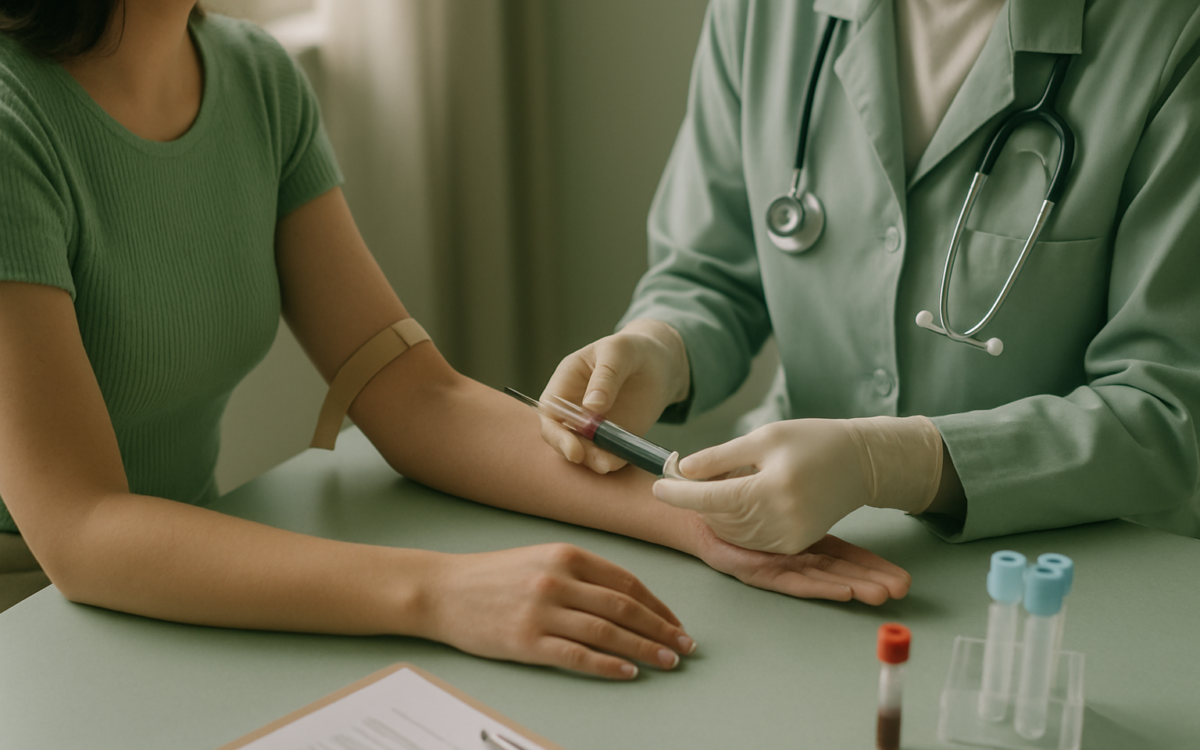
Blood Tests
Blood tests are essential for measuring hormone levels, including:
- Testosterone and other androgens: High levels can indicate PCOS.
- LH (luteinizing hormone) and FSH (follicle-stimulating hormone): An imbalance may suggest PCOS.
- Insulin levels: Insulin resistance is common in PCOS and may lead to type 2 diabetes.
- Lipid profile: This measures cholesterol and triglycerides, which can be affected by PCOS.
Ultrasound Imaging
Transvaginal ultrasound is often used to check the ovaries and the thickness of the uterine lining. For women with PCOS, the ultrasound may reveal:
- Enlarged ovaries
- Cysts: These are small fluid-filled sacs that can form on the ovaries.
Although cysts are common in women with PCOS, not all women with the condition have cysts, and having cysts does not necessarily mean you have PCOS.
Scoring Systems for Diagnosis
Healthcare providers may use scoring systems to make a PCOS diagnosis. The most widely used is the Rotterdam criteria, which requires at least two of the following three features:
- Irregular or absent ovulation, leading to menstrual irregularities
- Signs of excess androgens (such as hirsutism or acne)
- Polycystic ovaries visible on ultrasound
Understanding how these criteria apply to you is crucial, and your doctor will help interpret them alongside your test results.
Creating a Treatment Plan
Once diagnosed, your healthcare provider will work with you to create a tailored treatment plan. This may depend on your specific symptoms and whether you wish to become pregnant. Possible treatment options include:
- Hormonal contraceptives to help regulate your menstrual cycle
- Medications like Metformin to improve insulin sensitivity
- Weight management strategies to promote a healthy lifestyle
- Fertility treatments if you are trying to conceive
Open communication with your healthcare provider ensures you’re making informed choices about your health.
Life After Diagnosis
Being diagnosed with PCOS can feel overwhelming, but it’s important to remember that you are not alone. Joining support groups or talking to others with PCOS can offer valuable emotional support. Additionally, learning extensively about the condition enhances your ability to manage symptoms effectively.
Regular follow-up appointments with your healthcare provider are crucial for monitoring your health and adjusting your treatment plan as necessary. Building a strong relationship with your healthcare provider can make all the difference in managing PCOS effectively.
When to See a Doctor
You should see a doctor if you experience symptoms associated with PCOS, such as irregular periods, excessive hair growth, or sudden weight gain. Early intervention may prevent complications like heart disease, diabetes, and infertility. Don’t hesitate to reach out to a healthcare professional to ensure your health is prioritized.
In conclusion, understanding how to get tested for PCOS is crucial for taking charge of your health. By recognizing symptoms, consulting a healthcare provider, undergoing diagnostic tests, and crafting a treatment plan, you can effectively manage this condition. Remember, your health matters, and navigating the path to diagnosis is an essential step toward better well-being.
