
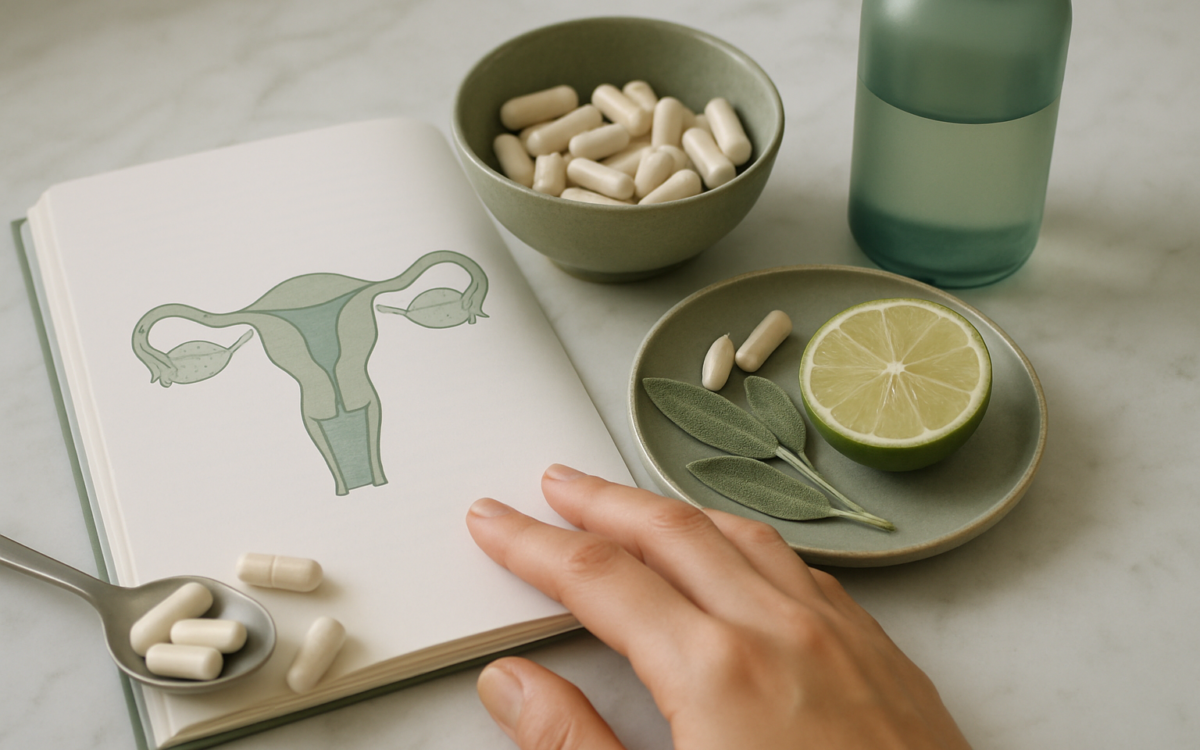
Polycystic Ovary Syndrome (PCOS) is a condition affecting many women worldwide, characterized by a range of symptoms including irregular periods, weight gain, and hormonal imbalances. While there’s currently no permanent cure for PCOS, many strategies can significantly improve symptoms and enhance quality of life. Understanding what PCOS is and how to manage it effectively can empower you to take charge of your health.
What is PCOS?
PCOS is a hormonal disorder that affects women during their reproductive years. It is marked by an imbalance in reproductive hormones, leading to symptoms like irregular menstrual cycles, excessive hair growth (hirsutism), and acne. According to the NIH, PCOS affects about 6% to 12% of women of childbearing age, making it one of the most common hormonal conditions among women.
Symptoms of PCOS
The symptoms of PCOS can vary significantly among individuals but typically include:
- Irregular menstrual periods
- Excessive hair growth on the face and body
- Acne and oily skin
- Weight gain or trouble losing weight
- Thinning hair or male-pattern baldness
- Dark patches of skin
- Infertility or difficulty getting pregnant
Recognizing these symptoms early on is crucial for effective management and treatment.
Lifestyle Changes for Managing PCOS
While there’s no definitive cure for PCOS, certain lifestyle changes can lead to significant improvements in symptoms:
Nutrition
Eating a balanced diet plays a pivotal role in managing PCOS symptoms. Focus on a diet rich in whole foods, including:
- Fruits and vegetables
- Whole grains
- Lean proteins (chicken, fish, legumes)
- Healthy fats (avocados, nuts, olive oil)
Avoiding processed foods, sugary snacks, and refined carbohydrates can help regulate insulin levels, which is crucial as many women with PCOS struggle with insulin resistance.
Physical Activity
Regular physical activity can help manage weight, reduce insulin resistance, and improve overall health. Aim for at least 150 minutes of moderate aerobic exercise weekly, such as:
- Walking or jogging
- Cycling
- Swimming
- Strength training
Combining different types of exercise can keep your routine engaging and beneficial.
Weight Management
If you’re overweight, even a modest weight loss of 5-10% of your body weight can improve your symptoms. Losing weight can help lower insulin levels, which may restore ovulation and improve menstrual regularity.
Medical Treatments for PCOS
In some cases, lifestyle changes alone may not be enough, and medical treatments can be beneficial. Common treatment options include:
Hormonal Birth Control
Hormonal contraceptives, such as the pill, patch, or vaginal ring, can help regulate menstrual cycles, reduce acne, and manage hair growth.
Metformin
For women struggling with insulin resistance, Metformin is a medication that can help regulate insulin levels and promote weight loss.
Fertility Treatments
If you’re trying to conceive, medications such as Clomiphene citrate can stimulate ovulation. Additionally, consult with your healthcare provider regarding assisted reproductive technologies if necessary.
Exploring Treatment Options Abroad
If you are seeking specialized care or considering treatment options beyond your local facilities, exploring international patient services might be beneficial. Some countries offer advanced treatments for PCOS, often with shorter waiting times and tailored approaches. For example, international patient services can connect you with healthcare experts who understand PCOS and can provide comprehensive treatment plans tailored to individual needs.
When to See a Doctor
If you are experiencing symptoms of PCOS or have concerns about your menstrual cycle, weight, or overall health, it’s important to consult a healthcare provider. Early diagnosis can lead to effective management of symptoms and reduce the risk of complications such as heart disease, diabetes, and endometrial cancer.
Conclusion
While there is currently no permanent cure for PCOS, understanding the condition and actively managing your symptoms can lead to a better quality of life. Through lifestyle changes, medical treatments, and support from healthcare professionals, you can navigate the challenges associated with PCOS and work towards a healthier future.
