
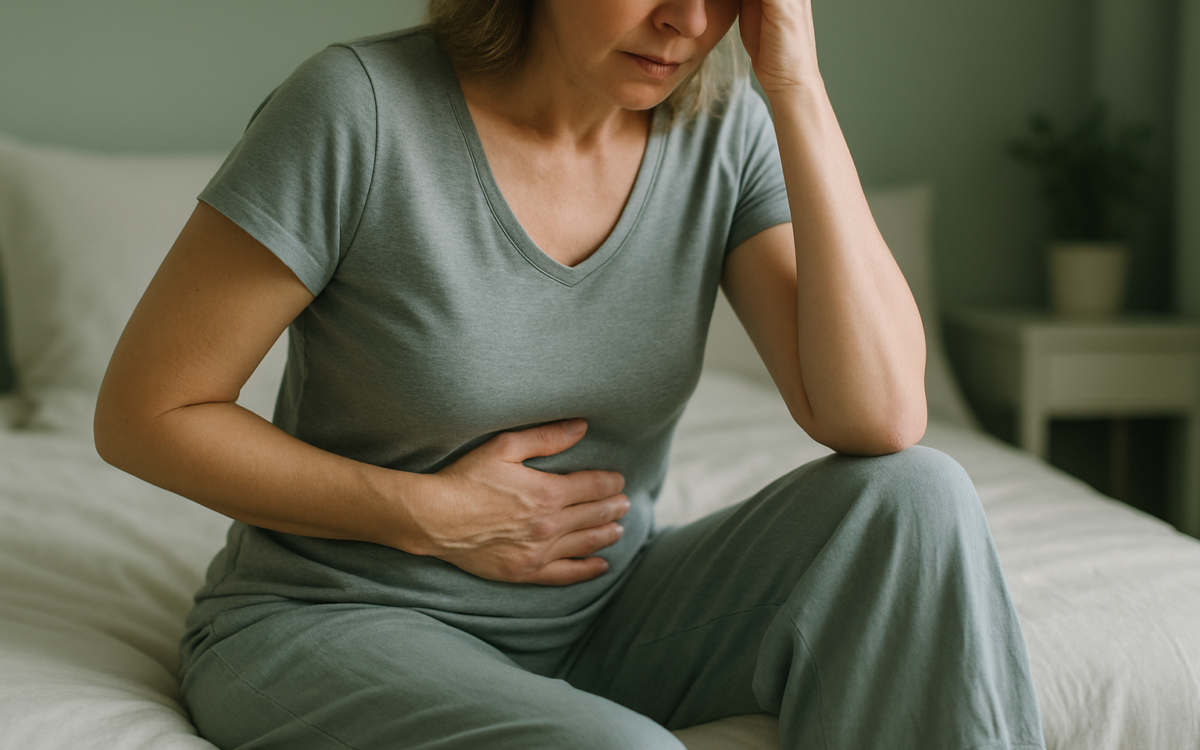
As women approach middle age, their bodies start to undergo a significant transition known as perimenopause. This phase can bring a variety of symptoms that affect physical health, emotional well-being, and overall quality of life. Understanding these symptoms is crucial for navigating this important stage of life with confidence and grace.
What is Perimenopause?
Perimenopause marks the transition leading up to menopause, which is defined as the time when a woman has not had her period for 12 consecutive months. Perimenopause can start in a woman’s 30s or 40s and may last several years. During this time, the ovaries gradually produce less estrogen, leading to hormonal fluctuations that can cause various symptoms.
Common Symptoms of Perimenopause
The symptoms of perimenopause can vary widely from one woman to another due to differences in hormonal levels and individual health factors. Here are some common symptoms:
- Irregular Periods: Changes in menstrual cycles are one of the earliest signs. Periods may become shorter, longer, heavier, or lighter.
- Hot Flashes: These sudden feelings of warmth can occur during the day or night, often accompanied by sweating.
- Night Sweats: Similar to hot flashes, night sweats can disrupt sleep and leave you feeling fatigued.
- Sleep Disturbances: Hormonal changes can lead to insomnia or difficulty falling and staying asleep.
- Mood Changes: Many women experience mood swings, irritability, or increased anxiety during this time.
- Vaginal Dryness: Decreased estrogen can lead to dryness and discomfort during sexual activity.
- Memory Problems: Some women report difficulties with concentration and memory, often referred to as “brain fog.”
How Hormones Affect Your Body
The hormonal changes during perimenopause can significantly impact both physical and emotional aspects of health. Estrogen plays a vital role in regulating the menstrual cycle, and its decline during perimenopause can lead to irregular periods and other symptoms. Moreover, decreased estrogen levels can affect bone density, heart health, and overall metabolic function.
Understanding the interplay between hormones and your body can help you recognize symptoms as part of a natural transition rather than something to be feared. Keeping track of your symptoms in a journal may help you correlate them with changes in your lifestyle or environment.
Coping Strategies for Perimenopause
While the symptoms of perimenopause can feel overwhelming, there are several strategies you can use to cope with the changes:
- Healthy Diet: Eating a balanced diet rich in fruits, vegetables, whole grains, and lean proteins can help manage weight and improve energy levels.
- Regular Exercise: Staying active can boost your mood, help manage weight, and improve sleep quality. Aim for at least 30 minutes of moderate exercise most days.
- Stress Management: Practices such as yoga, meditation, or deep-breathing exercises can help you manage stress and mood swings.
- Sleep Hygiene: Establishing a bedtime routine, keeping the bedroom cool, and avoiding screens before sleep can improve your sleep quality.
- Support Networks: Connecting with friends or support groups who are going through similar experiences can provide emotional support and practical tips.
When to See a Doctor
While perimenopause is a natural phase of life, some symptoms may require medical attention. If you experience severe symptoms that interfere with your daily life, such as debilitating hot flashes, extreme mood changes, or heavy menstrual bleeding, it’s important to consult a healthcare professional. They can offer advice and support tailored to your individual needs.
Additionally, if you have concerns about hormonal imbalances or other health issues, consulting with a gynecologist or primary care doctor can provide reassurance and help you develop a management plan.
Conclusion
Perimenopause is a significant life transition that brings various symptoms and changes. By understanding what to expect and adopting effective coping strategies, women can navigate this phase with greater ease and confidence. Remember, you are not alone in this journey—many women experience similar changes, and support is available. Always feel free to reach out to healthcare professionals for guidance tailored to your unique situation.
For more information about menopausal and perimenopausal experiences, you can visit reliable sources such as the Mayo Clinic or the World Health Organization.
