
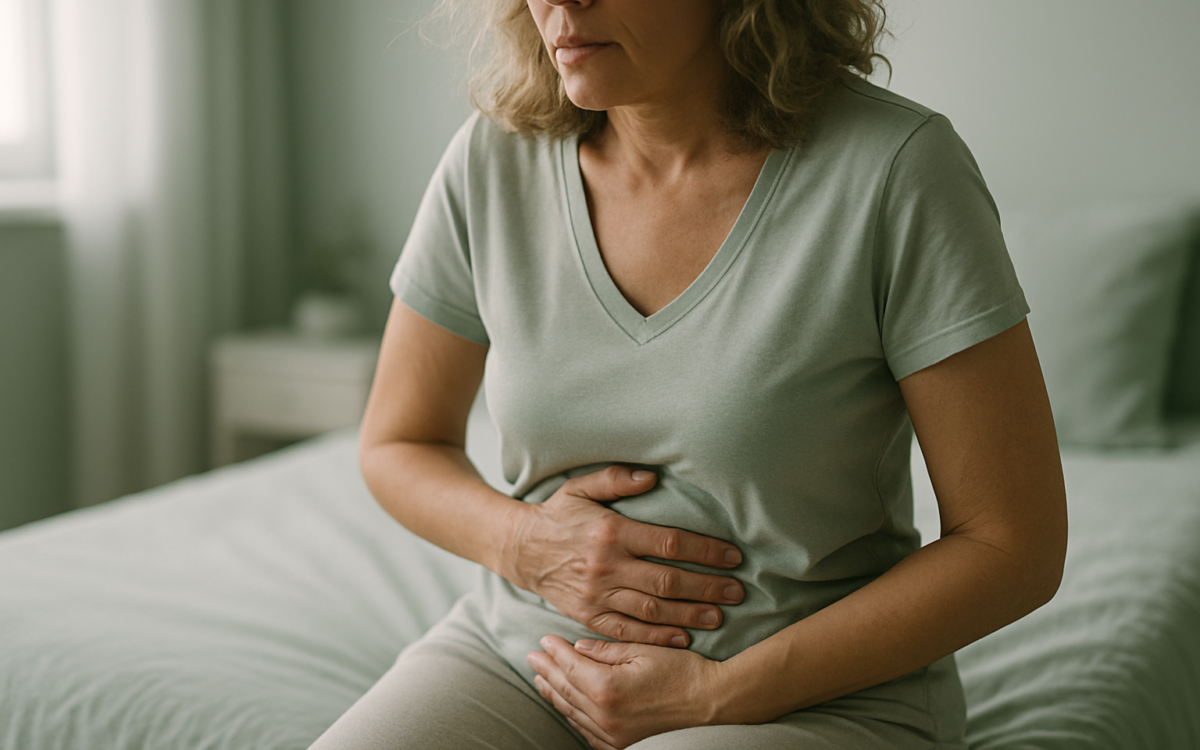
As women approach middle age, they often encounter a transition that can be confusing and uncomfortable: perimenopause. This phase marks the beginning of the end of a woman’s reproductive years, and it can come with a variety of symptoms. Understanding these symptoms can help you navigate this natural change with confidence.
What Is Perimenopause?
Perimenopause is the period leading up to menopause when your hormonal levels begin to fluctuate and decline. This stage can start as early as your 30s or as late as your 50s. It typically lasts for several years and can bring about different symptoms due to the changing levels of estrogen and other hormones in the body.
Common Symptoms of Perimenopause
Women experience a range of symptoms during perimenopause. While the severity and types can vary, some of the most common symptoms include:
- Irregular periods: One of the hallmark signs of perimenopause is changes in your menstrual cycle. Periods may become shorter, longer, heavier, or lighter.
- Hot flashes: Many women report experiencing sudden feelings of warmth, often accompanied by sweating and flushing of the skin.
- Nightsweats: Hot flashes can extend to your sleep schedule, leading to night sweats that may disrupt sleep.
- Mood swings: Hormonal fluctuations can lead to mood changes, including anxiety, irritability, and even feelings of sadness.
- Sleep disturbances: Difficulty falling asleep or staying asleep can be common during this transition, often exacerbated by night sweats.
- Vaginal dryness: A decrease in estrogen may lead to dryness or discomfort during sexual activities.
- Weight gain: Many women notice changes in their body composition. Weight can be more challenging to manage, particularly around the abdomen.
Emotional and Psychological Effects
Along with physical symptoms, perimenopause can also affect your emotional health. Changes in hormone levels can cause fluctuations in mood, leading to feelings of anxiety and depression in some women. According to the World Health Organization, mental health is a critical aspect of overall wellness, and it’s essential to address any emotional challenges during this time.
Managing Perimenopause Symptoms
While perimenopause is a natural biological process, its symptoms can feel overwhelming. Here are some strategies that may help manage the experience:
- Maintain a healthy diet: Focus on a well-balanced diet rich in fruits, vegetables, whole grains, and lean proteins to support your health.
- Stay active: Regular physical activity can improve mood, help manage weight, and alleviate some physical symptoms.
- Prioritize sleep: Make an effort to create a calming bedtime routine and maintain a consistent sleep schedule.
- Stay hydrated: Drinking plenty of water can help reduce hot flashes and support overall health.
- Consider mindfulness or relaxation techniques: Practices such as yoga, meditation, or deep breathing can help ease anxiety and improve overall mood.
When to See a Doctor
If your symptoms become unmanageable or if you’re worried about any changes in your body, it’s important to consult with a healthcare provider. They can help determine your exact stage of perimenopause and discuss possible treatments or lifestyle changes to help reduce symptoms. The Mayo Clinic stresses the importance of seeking help if you’re experiencing severe mood swings, significant weight changes, or any concerning symptoms.
Conclusion
Perimenopause is a natural part of aging for women, albeit one that can come with various challenges. By understanding the common symptoms and focusing on self-care and health management, you can navigate this transition with greater ease. Remember, you are not alone in this journey, and support is available.
