
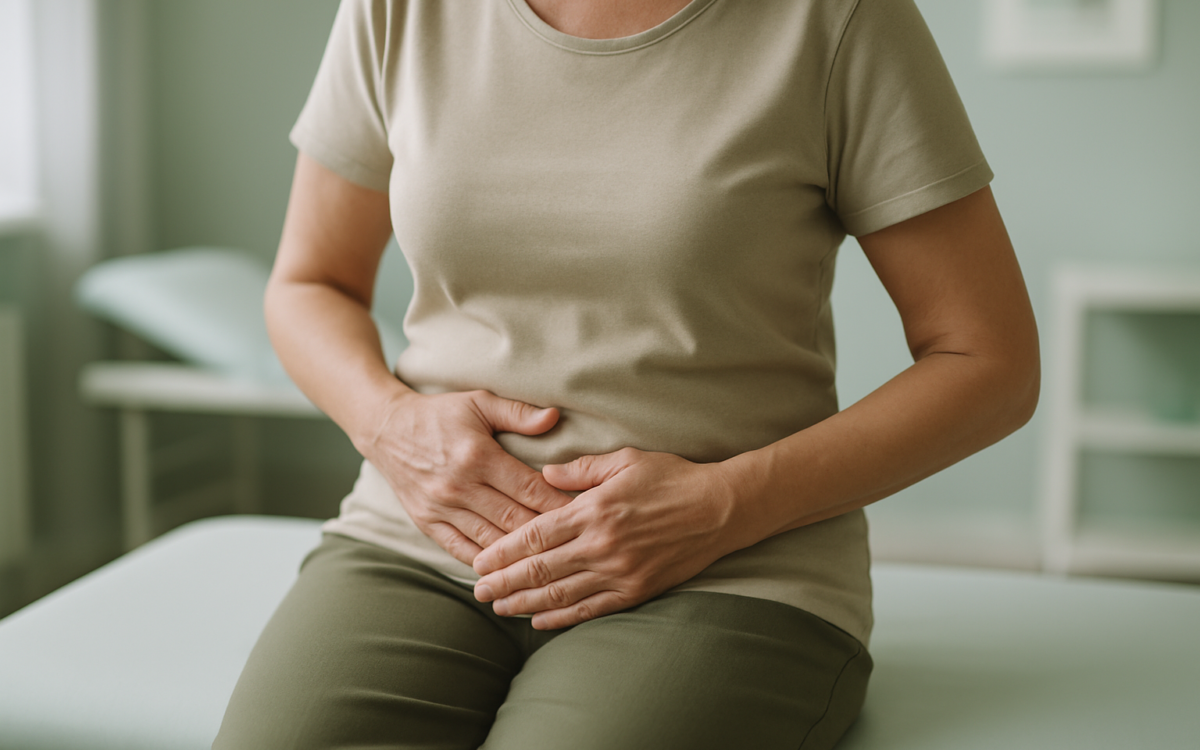
As women approach middle age, their bodies undergo various changes that can be both challenging and enlightening. One of the most significant transitions during this time is perimenopause, the gradual process leading up to menopause. Understanding what age perimenopause starts can help you prepare for and manage this phase of life.
What is Perimenopause?
Perimenopause refers to the transitional phase before menopause when a woman’s body begins to produce less estrogen. This stage can last several years and often comes with various physical and emotional symptoms. The average length of perimenopause is around four years, but it can range from a few months to over a decade.
When Does Perimenopause Start?
Most women start experiencing perimenopause between the ages of 40 and 44, although it can begin as early as the mid-30s. Some women might notice signs of perimenopause earlier, especially if they have a family history of early menopause or have undergone certain surgeries, such as a hysterectomy.
Common Symptoms of Perimenopause
During the perimenopausal phase, women often experience a variety of symptoms that can differ from person to person. Common signs include:
- Irregular Periods: Changes in menstrual cycle length and flow.
- Hot Flashes: Sudden feelings of warmth, typically in the upper body.
- Sleep Disturbances: Difficulty falling asleep or staying asleep.
- Mood Changes: Increased irritability or anxiety.
- Vaginal Dryness: Reduction in vaginal lubrication during sexual activity.
While these symptoms can be uncomfortable, it’s important to note that not everyone experiences them, and the severity can vary widely.
How Is Perimenopause Diagnosed?
There is no specific test for perimenopause. Instead, diagnosis typically involves discussing your symptoms and menstrual history with a healthcare provider. Blood tests may be conducted to check hormone levels, but they are not always necessary. If you believe you are experiencing perimenopause, it’s helpful to keep a record of your menstrual cycle and any accompanying symptoms to share with your doctor.
Managing Perimenopause Symptoms
While perimenopause is a natural phase of life, managing its symptoms can provide relief and improve your quality of life. Here are some strategies:
- Lifestyle Changes: Regular exercise, a balanced diet, and stress management techniques, like yoga or meditation, can help.
- Alternative Therapies: Some women find relief through acupuncture or herbal supplements. However, it’s essential to consult a healthcare professional before starting any new treatments.
- Medical Treatment: Hormone therapy may be considered for those experiencing severe symptoms. Discuss the risks and benefits with your doctor.
When to See a Doctor
If you suspect you are entering perimenopause or experience extreme or concerning symptoms, it’s wise to consult a healthcare professional. Signs to seek help include:
- Periods that are consistently irregular or unusually heavy
- Severe hot flashes impacting daily life
- Persistent mood swings or changes
- Signs of depression or anxiety affecting your well-being
Your healthcare provider can help you understand your options and find a management plan tailored to your needs. You can find more information about menopausal health at reputable sources like the National Heart, Lung, and Blood Institute or the Mayo Clinic.
Conclusion
Perimenopause is a normal part of aging for women, starting usually in their 40s but sometimes earlier. Understanding what to expect can empower you to navigate this transition with confidence. While it may come with challenges, many women emerge healthier, stronger, and better equipped to handle the next chapter of their lives.
