
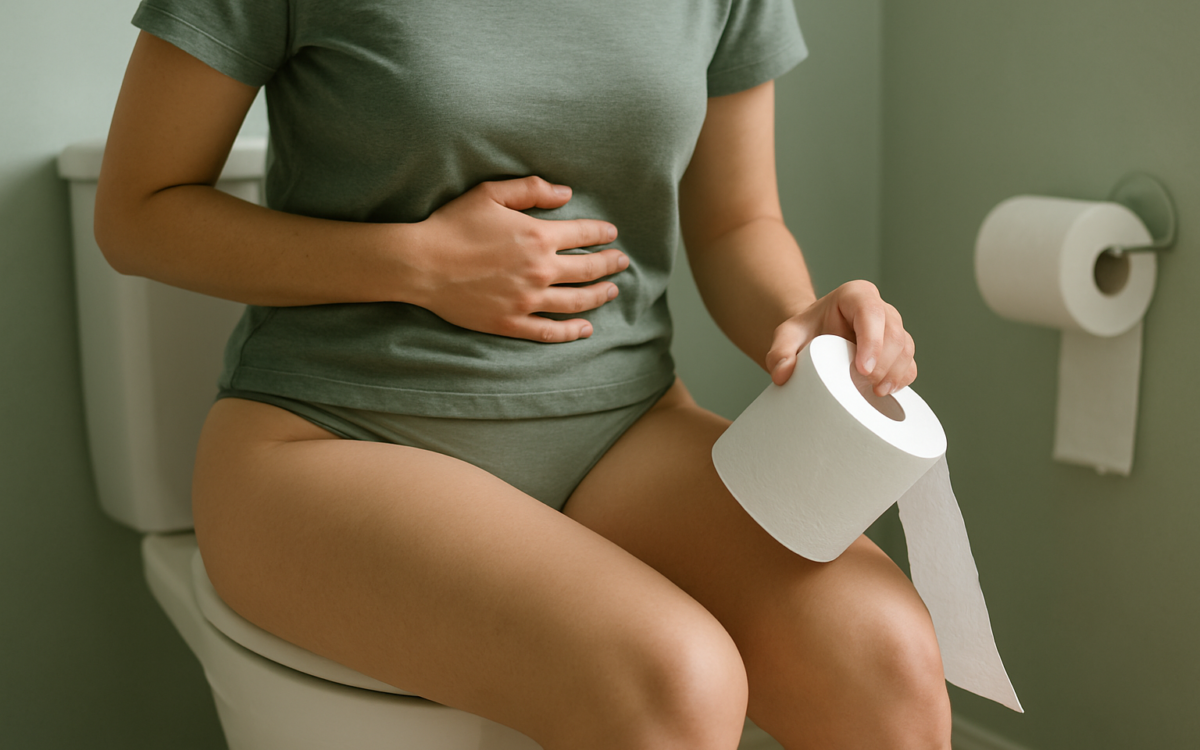
Many women experience changes in their digestion during their menstrual cycle, leading to what is commonly referred to as “period poops.” This term captures the uncomfortable reality that some may face: increased bowel movements, diarrhea, or other gastrointestinal changes just before or during their period. Understanding why this occurs can be empowering and help you embrace your body’s natural rhythms.
How Hormones Impact Digestion
The key players in this process are hormones, particularly estrogen and progesterone. Throughout the menstrual cycle, these hormones fluctuate, affecting various bodily systems. Right before your period begins, the levels of progesterone soar. This hormone relaxes the muscles in the uterus but can also affect the gastrointestinal (GI) tract.
When progesterone is high, it can slow down digestion, leading to constipation for some women. However, as your body prepares to shed the uterine lining, progesterone levels drop, and this shift may speed up the digestive process for others. Symptoms like bloating, cramps, and ultimately, more frequent bowel movements can occur. This variation means some women may experience softer stools or even diarrhea during their periods.
Menstrual Cramps and Bowel Changes
For many women, menstrual cramps, known medically as dysmenorrhea, can accompany their periods. These cramps originate in the uterus and involve strong muscle contractions. However, those same muscle contractions can have an impact on the intestines. Some studies suggest that the pain from menstrual cramps can lead to an increased sensitivity in the GI tract. This sensitivity may cause changes in bowel habits, causing certain women to experience more frequent trips to the bathroom throughout their cycle.
Diet’s Role in Period Poops
Diet can significantly influence digestive health and may amplify or alleviate symptoms during your period. Different foods can affect your digestive system in various ways:
- High-Fiber Foods: Consuming adequate fiber, like fruits, vegetables, and whole grains, can help maintain regular bowel movements and mitigate constipation.
- Caffeine and Sugar: Some women notice that caffeine or sugar can trigger bowel changes or exacerbation of cramping. Reducing intake around your period may help.
- Hydration: Staying hydrated is essential for healthy digestion. Water can help combat bloating and keep your digestive system functioning smoothly.
Potential Underlying Conditions
While changes in bowel habits during menstruation can be normal, they can also point to underlying conditions. For instance, conditions like endometriosis or irritable bowel syndrome (IBS) often exhibit symptoms that coincide with the menstrual cycle. Endometriosis occurs when tissue similar to the uterine lining grows outside the uterus, leading to painful periods, which can also impact digestion. IBS may also cause significant fluctuations in bowel habits, which can be tied to hormone levels and stress related to menstruation.
If you notice significant changes in your digestion during your period, it may be beneficial to speak with a healthcare professional to rule out any underlying issues. Understanding your body and how it reacts to hormonal changes can provide valuable insights into your health.
Managing Period Poops
While experiencing period poops can be uncomfortable, there are several strategies to help manage symptoms:
- Track Your Cycle: Keeping a journal of your menstrual cycle can help you identify patterns in your bowel habits, which may assist in managing your symptoms.
- Dietary Adjustments: Incorporating more fiber-rich foods and staying hydrated can contribute to balanced digestion during your cycle.
- Consult a Professional: If symptoms persist or worsen, consulting a healthcare provider may offer insights and treatment options.
When to See a Doctor
If you find that your digestive symptoms during your period are severe, or if your bowel habits significantly disrupt your daily life, it may be time to consult a healthcare provider. Additionally, signs like excessive pain, blood in your stool, or sudden changes in your menstrual cycle warrant a professional evaluation.
In Conclusion
Understanding period poops is an important aspect of women’s health. While hormonal fluctuations during the menstrual cycle can lead to various digestive symptoms, recognizing these changes can empower women to take control of their health. Embracing these natural bodily rhythms and consulting healthcare professionals when issues arise is key to maintaining overall well-being. Remember, you are not alone in this experience, and there is support available.
