
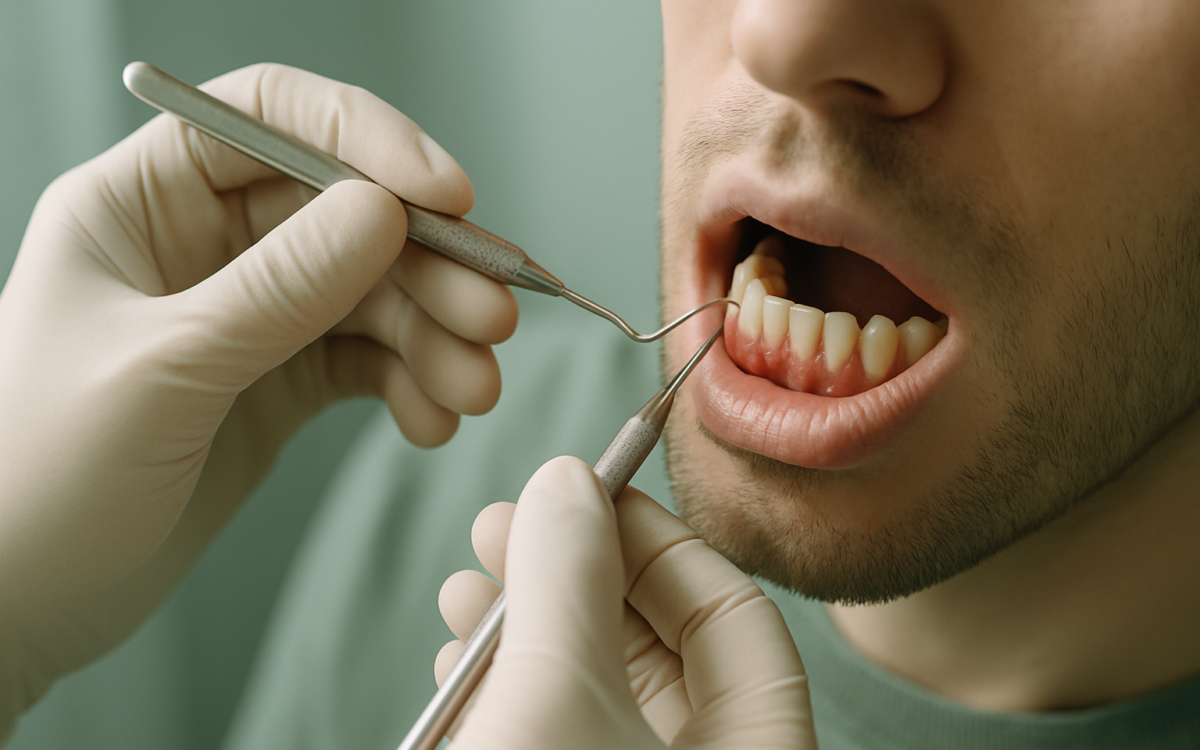
Have you ever heard the term “periodontitis” and wondered what it really means? This serious gum disease is more than just a dental concern; it can significantly affect your overall health. Understanding what causes periodontitis is crucial for preventing its onset and maintaining good oral hygiene.
What Is Periodontitis?
Periodontitis is a severe form of gum disease that affects the supporting structures of the teeth, including the gums and jawbone. It usually starts as gingivitis, the milder form of gum disease characterized by inflamed gums that bleed easily. If gingivitis isn’t treated, it can progress to periodontitis, leading to tissue deterioration and potential tooth loss.
The Role of Bacteria in Periodontitis
The primary cause of periodontitis is bacterial infection. Our mouths are home to a multitude of bacteria—some are beneficial, while others can be harmful. When plaque—a sticky film of bacteria—forms on the teeth and isn’t removed through regular brushing and flossing, it hardens into tartar. This buildup provides a breeding ground for harmful bacteria that can trigger inflammation.
According to the National Institutes of Health, the interplay between certain bacterial species and inflammation in gum tissues drives the progression of periodontitis. These harmful bacteria produce toxic substances that can destroy gum tissue and bone if left untreated.
Risk Factors That Contribute to Periodontitis
While bacteria are the primary instigator of periodontitis, various risk factors can enhance its severity or make an individual more susceptible to developing the condition. Some of the most common risk factors include:
- Poor Oral Hygiene: Inadequate brushing and flossing increase plaque accumulation.
- Smoking: Tobacco use weakens your gum health and reduces blood flow, making it harder for gums to heal.
- Genetics: Family history can play a role; some people are genetically predisposed to gum disease.
- Hormonal Changes: Fluctuations in hormones, such as during pregnancy or menopause, can impact gum health.
- Chronic Conditions: Diseases like diabetes can lower your body’s ability to fight infections, including gum disease.
- Poor Nutrition: Lack of essential nutrients, especially vitamin C, can weaken gums and hinder healing.
How Periodontitis Develops
Periodontitis develops gradually over time. Initially, bacteria in plaque induce inflammation in the gums, leading to gingivitis. If treated at this stage, gums can recover, and the disease can be reversed.
However, if gingivitis goes unchecked, it can evolve into periodontitis. The body’s immune response to the infection starts breaking down the bone and connective tissues that hold the teeth in place. This process may occur without noticeable symptoms initially, making regular dental check-ups essential.
The Impact of Periodontitis on Overall Health
Research is increasingly showing that periodontitis is linked not only to poor oral health but also to several systemic health issues. For instance, people with periodontitis may have a higher risk of heart disease, strokes, and diabetes complications. The inflammation associated with gum disease may contribute to systemic inflammation, which affects other parts of the body.
The Centers for Disease Control and Prevention (CDC) highlights the importance of managing periodontitis not just for oral health but for overall health, emphasizing that individuals with chronic diseases must monitor their gum health closely.
Prevention and Management of Periodontitis
Fortunately, periodontitis is preventable, and there are effective strategies to manage it if it occurs. Here are some tips to maintain good oral hygiene and reduce your risk:
- Brush Twice Daily: Use fluoride toothpaste and a soft-bristled toothbrush to clean your teeth and gums.
- Floss Daily: Flossing removes plaque from between teeth where a toothbrush can’t reach.
- Regular Dental Check-Ups: Schedule dental cleanings and examinations every six months to help catch problems before they become serious.
- Quit Smoking: Avoid tobacco to improve your gum health and overall well-being.
- Eat a Balanced Diet: Ensure you’re getting vital nutrients, particularly calcium and vitamin C.
When to See a Doctor
If you notice symptoms such as persistent bad breath, swollen or bleeding gums, loose teeth, or painful chewing, it’s essential to consult a dentist. Early intervention can prevent the progression of periodontitis and safeguard your oral and overall health.
Conclusion
Understanding what causes periodontitis is key to preventing this serious gum disease. By recognizing the role of bacteria, risk factors, and maintaining good oral hygiene practices, you can significantly reduce your chances of developing periodontitis. Remember, your oral health is an integral part of your overall well-being, so stay proactive and consult with your dentist regularly.
