
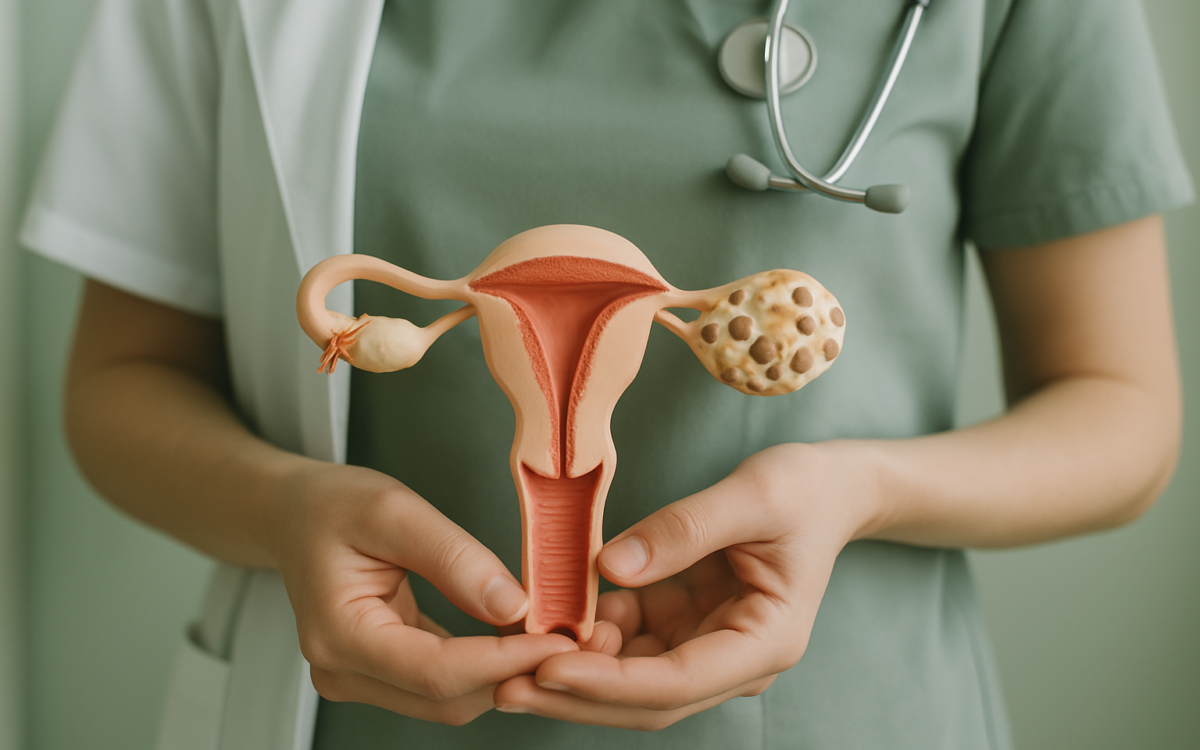
When it comes to women’s reproductive health, understanding conditions like polycystic ovaries can be crucial. Polycystic ovaries, or polycystic ovary syndrome (PCOS), affect millions of women worldwide, often causing a range of symptoms that can be confusing and concerning. This article will break down what polycystic ovaries are, their symptoms, causes, and treatment options. By arming yourself with knowledge, you can take the first steps towards better health.
What Are Polycystic Ovaries?
Polycystic ovaries refer to the presence of multiple small cysts on the ovaries, which can lead to hormonal imbalances and various health issues. While having cysts on the ovaries is a key feature of PCOS, not all women with polycystic ovaries have a diagnosis of PCOS. The condition is characterized by at least two of the following:
- Irregular or absent menstrual cycles
- Excess male hormones (androgens) leading to physical symptoms
- Polycystic ovaries visible on an ultrasound
Understanding these distinctions can help you identify what to watch for in your own body.
Recognizing the Symptoms
Women with polycystic ovaries may experience a variety of symptoms. These can vary greatly from one person to another. Common symptoms associated with PCOS include:
- Irregular menstrual periods
- Weight gain or difficulty losing weight
- Hirsutism (excess hair growth in areas typically affected by male hormones)
- Acne and oily skin
- Thinning hair on the scalp
- Dark patches of skin, often around the neck or underarms
Not all women with polycystic ovaries will experience these symptoms. It’s essential to pay attention to your body and seek help if you notice any significant changes.
Causes of Polycystic Ovaries
The exact cause of polycystic ovaries is not entirely understood, but several factors may contribute. These include:
- Genetics: A family history of PCOS can increase the likelihood of developing the condition.
- Insulin resistance: Many women with PCOS have insulin resistance, where the body’s cells don’t respond well to insulin, leading to higher insulin levels and increased androgen production.
- Hormonal imbalances: Women with polycystic ovaries may experience imbalances in estrogen, progesterone, and androgens, causing the symptoms associated with PCOS.
Understanding these possible causes can help you navigate your treatment options more effectively.
Diagnosis of Polycystic Ovaries
Diagnosis typically involves a combination of a physical exam, medical history, and various tests. A healthcare professional may:
- Conduct a pelvic exam to check for any abnormalities
- Order blood tests to evaluate hormone levels
- Perform an ultrasound to look for cysts on the ovaries
If you suspect you have polycystic ovaries, discussing your symptoms with your doctor is a vital first step.
Treatment Options and Management
There is no one-size-fits-all treatment for polycystic ovaries as symptoms and concerns can vary among individuals. Treatment options may include:
- Lifestyle changes: Maintaining a healthy diet and engaging in regular physical activity can help manage symptoms and improve insulin sensitivity.
- Medications: Hormonal contraceptives may help regulate menstrual cycles and reduce androgen levels. Metformin is often prescribed to improve insulin sensitivity.
- Fertility treatments: If conception is a concern, medications like clomiphene citrate may be used to stimulate ovulation.
For women considering treatment options outside their home country, resources like international patient services can help connect you with medical professionals experienced in PCOS management.
When to See a Doctor
If you are experiencing symptoms such as irregular menstrual cycles, excessive hair growth, or difficulty with weight management, it’s essential to consult a healthcare professional. Early diagnosis and intervention can significantly improve your quality of life and overall health.
Conclusion
Polycystic ovaries, while common, can lead to significant health challenges if left unmanaged. Education and awareness are key to navigating this condition effectively. If you recognize any symptoms associated with polycystic ovaries, don’t hesitate to seek help from a healthcare provider. With the right approach, it is possible to manage symptoms and lead a healthy, fulfilling life.
