
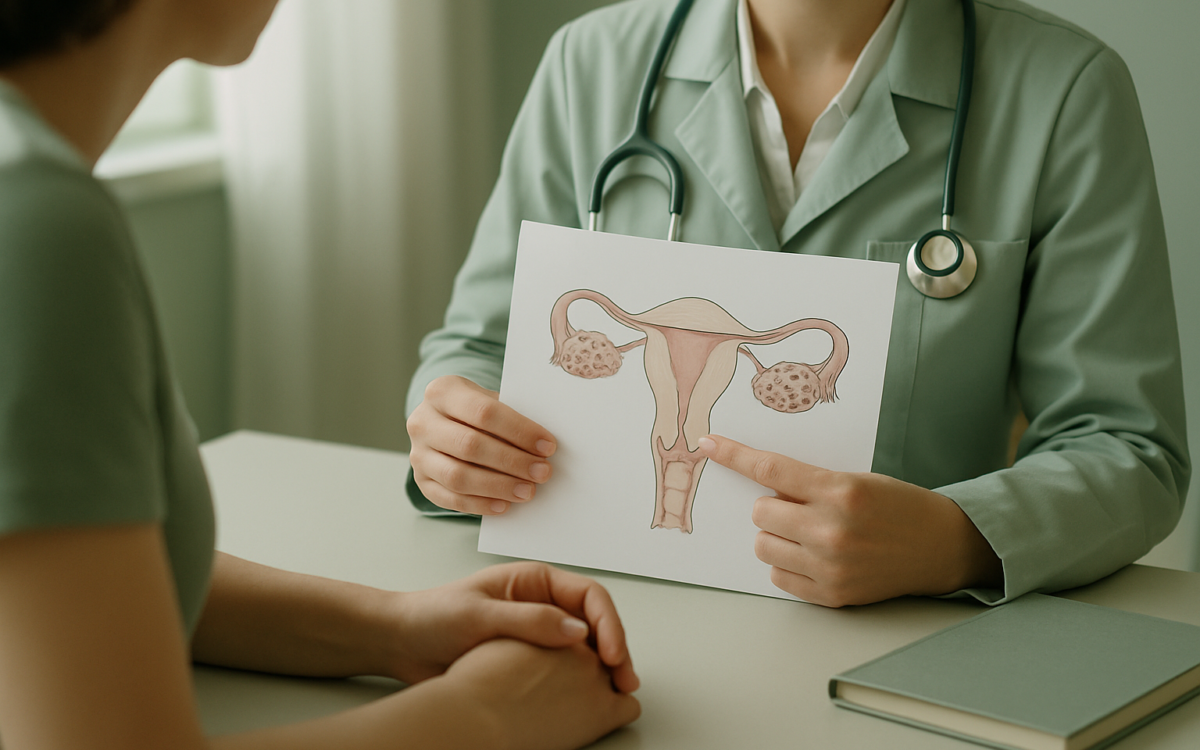
Polycystic Ovary Syndrome (PCOS) is a common hormonal disorder that affects people with ovaries, often during their reproductive years. While it is frequently discussed in medical circles, many still aren’t well-informed about its causes, symptoms, and management options. This article aims to shed light on PCOS, making it easier to understand this condition and its implications on health.
What is Polycystic Ovary Syndrome?
PCOS is a condition characterized by an imbalance of reproductive hormones, leading to a variety of symptoms. Women with PCOS may experience irregular menstrual cycles, excessive hair growth, weight gain, and fertility challenges. The name “polycystic” refers to the numerous small cysts that can develop in the ovaries, although not everyone with PCOS has these cysts.
Causes of PCOS
The exact cause of PCOS is not entirely understood, but several factors are believed to contribute:
- Genetics: A family history of PCOS may increase the likelihood of developing the condition.
- Insulin Resistance: Many women with PCOS have insulin resistance, which means their bodies don’t use insulin effectively, leading to higher insulin levels. This can cause weight gain and other health issues.
- Inflammation: There is evidence suggesting that chronic low-grade inflammation may play a role in the development of PCOS.
Common Symptoms
PCOS can present various symptoms, which may vary from person to person. Some of the most frequent include:
- Irregular Periods: Many women experience missed, irregular, or unusually heavy periods.
- Excessive Hair Growth: This can affect areas such as the face, chest, back, and abdomen.
- Acne and Oily Skin: Hormonal imbalances can lead to skin issues, including acne.
- Weight Gain: Many individuals find it difficult to maintain a healthy weight.
- Fertility Issues: PCOS can affect ovulation, making it more challenging to conceive.
Diagnosis of PCOS
Diagnosis typically involves a combination of medical history, physical exams, and diagnostic tests. Healthcare providers might look for the following:
- Menstrual irregularities
- Evidence of high androgen levels (such as hair growth and acne)
- Ultrasound findings showing enlarged ovaries with small cysts
The diagnosis is generally made based on the presence of at least two of these criteria, following the Rotterdam criteria.
Management and Treatment Options
While there is no cure for PCOS, various management strategies can help alleviate symptoms. Here are some commonly recommended approaches:
Lifestyle Changes
Making adjustments to your diet and exercise routine can be key in managing PCOS.
- Healthy Eating: A balanced diet rich in whole grains, lean proteins, fruits, and vegetables can help manage weight and improve insulin sensitivity.
- Regular Exercise: Engaging in physical activity, such as aerobic and strength-training exercises, can aid in weight management and help regulate hormones.
Medications
In some cases, healthcare providers may prescribe medications to help manage symptoms. Common options include:
- Birth Control Pills: These can help regulate menstrual cycles and reduce symptoms like excessive hair growth.
- Metformin: Often used for insulin resistance, metformin can help with weight management and menstrual regularity.
Emotional Support
The emotional impact of PCOS can be significant, so seeking support is essential. Consider talking to a therapist, joining support groups, or simply sharing your experiences with friends and family.
Potential Long-Term Health Concerns
Understanding the long-term effects of PCOS is crucial for those diagnosed. Some potential risks associated with PCOS include:
- Type 2 Diabetes: Insulin resistance can increase the risk of developing diabetes.
- Heart Disease: Women with PCOS are at a higher risk for cardiovascular issues.
- Uterine Cancer: Irregular menstrual cycles may lead to a higher risk of uterine lining overgrowth.
When to See a Doctor
If you suspect you have PCOS or experience symptoms like irregular periods, excessive hair growth, or difficulty losing weight, it’s essential to consult a healthcare provider. They can provide an accurate diagnosis and help create a management plan that suits your individual needs. Early intervention can make a significant difference in managing symptoms and reducing the risk of long-term complications.
Conclusion
Polycystic Ovary Syndrome is a multifaceted condition that impacts many aspects of health. Understanding its symptoms, causes, and management options is vital for those affected. While living with PCOS can be challenging, a proactive approach, supported by healthcare providers, can lead to effective management and improved overall well-being. For more detailed information, consider visiting reputable health resources like the Mayo Clinic or the National Institutes of Health.
