
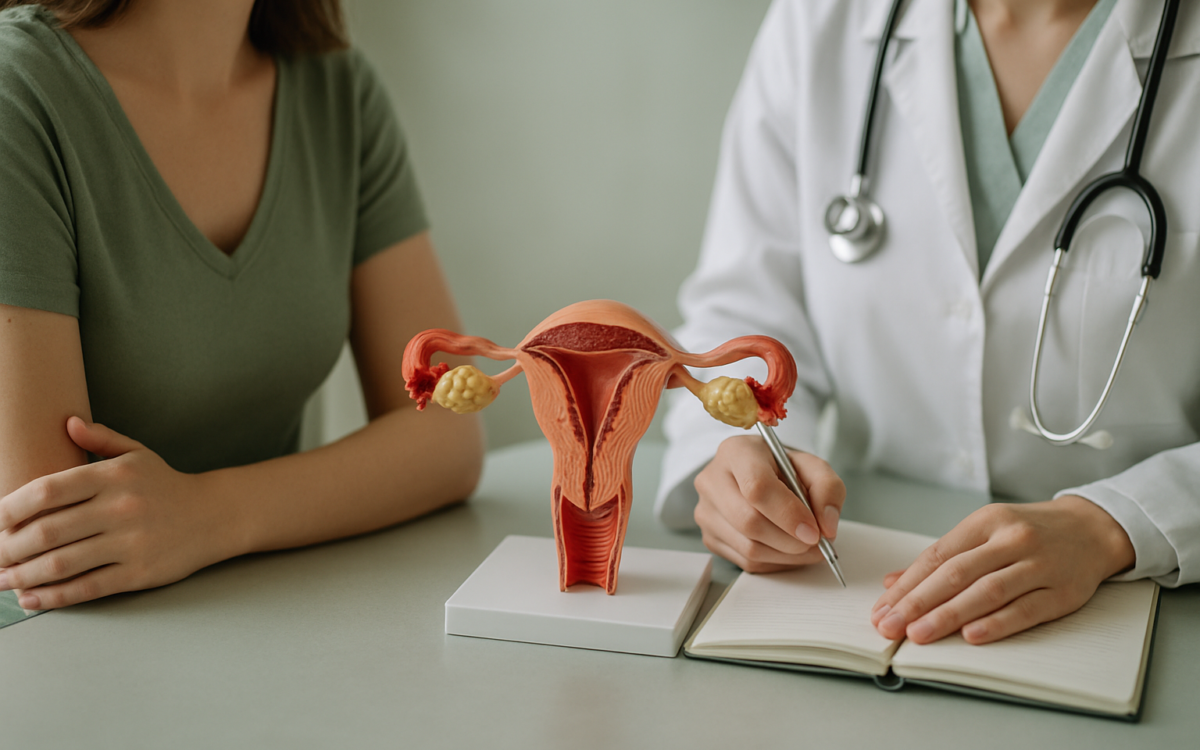
Polycystic Ovary Syndrome (PCOS) affects roughly 1 in 10 women globally. It’s a complex hormonal disorder that can lead to a range of symptoms including irregular periods, weight gain, and fertility issues. While it is most commonly characterized by metabolic and reproductive symptoms, many may wonder whether PCOS falls under the category of autoimmune disorders. Let’s dig deeper into this question and explore the characteristics of PCOS and autoimmune conditions.
What is Polycystic Ovary Syndrome (PCOS)?
PCOS is a hormonal imbalance that can affect women during their reproductive years. Women with PCOS may experience a variety of symptoms that stem from elevated levels of androgens, often referred to as male hormones, which can be present at higher levels than normal.
Some common symptoms of PCOS include:
- Irregular or missed periods
- Excessive hair growth on the face and body
- Acne and oily skin
- Weight gain or difficulty losing weight
- Thinning hair or hair loss on the scalp
- Infertility
Despite its name, not all women with PCOS have polycystic ovaries. Instead, the diagnosis is typically based on a combination of symptoms, hormonal levels, and physical examinations.
Is PCOS an Autoimmune Disorder?
Autoimmune disorders occur when the body’s immune system mistakenly attacks its own tissues. Conditions such as rheumatoid arthritis, lupus, and Hashimoto’s thyroiditis are well-known examples. In exploring whether PCOS is an autoimmune disorder, several factors come into play, including inflammation and metabolic disturbance.
The Role of Inflammation
Research indicates that many women with PCOS experience chronic low-grade inflammation. Inflammation is known to have a role in various autoimmune conditions. However, the inflammation seen in PCOS may be more related to obesity and insulin resistance rather than an autoimmune process. For instance, studies show that insulin resistance can be a significant factor in the symptoms of PCOS, which suggests a metabolic rather than an immune mechanism at play (NIH).
Common Features of Autoimmune Disorders vs. PCOS
To understand whether PCOS is an autoimmune disorder, it’s helpful to look at the common features of autoimmune diseases and how they differ from PCOS:
- Immune Response: Autoimmune diseases involve an immune response that targets specific body cells or tissues. In contrast, PCOS is characterized primarily by hormonal imbalance.
- Symptoms: Autoimmune conditions often exhibit systemic symptoms, such as fatigue and joint pain. PCOS primarily presents with reproductive and metabolic symptoms.
- Treatment: Autoimmune disorders typically require immunosuppressive treatments, while PCOS may be managed through lifestyle changes, hormone therapy, and other medications.
Potential Overlaps Between PCOS and Autoimmune Symptoms
While PCOS is not classified as an autoimmune disorder, some women with PCOS also experience conditions that are autoimmune in nature, such as autoimmune thyroid disease. This overlap can make understanding the relationship between these disorders complex.
Common Co-Morbidities
Women with PCOS are more likely to face certain other health issues that can sometimes overlap with autoimmune traits. A few of these include:
- Type 2 Diabetes: Insulin resistance is common in PCOS, and it increases the risk of developing type 2 diabetes.
- Thyroid Disorders: Conditions like hypothyroidism or Hashimoto’s thyroiditis can occur alongside PCOS, suggesting potential immune involvement.
- Metabolic Syndrome: This syndrome involves a cluster of conditions that can increase the risk of heart disease, stroke, and diabetes.
Managing PCOS Effectively
While PCOS itself is not an autoimmune disorder, managing the syndrome effectively is crucial for improving quality of life and reducing the risk of associated conditions. Here are some strategies for management:
Lifestyle Changes
Adopting a healthy lifestyle can significantly impact the symptoms of PCOS:
- Diet: Incorporating a balanced diet rich in whole grains, fruits, vegetables, and lean proteins can help manage weight and hormonal balance.
- Exercise: Regular physical activity can improve insulin sensitivity and help maintain a healthy weight.
- Stress Management: Techniques like yoga, meditation, or counseling can help reduce stress levels, which may alleviate some symptoms.
Medical Treatment
In some cases, medication may be necessary to manage symptoms effectively. Common treatments include:
- Hormonal contraceptives to regulate periods and reduce symptoms of excess androgens.
- Medications like Metformin can improve insulin sensitivity.
- Fertility treatments for women who wish to conceive but are experiencing difficulties due to PCOS.
When to See a Doctor
If you suspect you have PCOS or if you’re experiencing symptoms like irregular periods, weight gain, or excessive hair growth, it’s important to consult a healthcare professional. Early diagnosis and management can help mitigate complications and improve your quality of life.
Conclusion
While polycystic ovary syndrome is not classified as an autoimmune disorder, it shares some overlapping features with certain autoimmune conditions. Understanding the distinct nature of PCOS is important for diagnosis and management. If you have concerns about PCOS or related symptoms, working closely with your healthcare provider is the best approach for finding a tailored management plan for your needs.
