
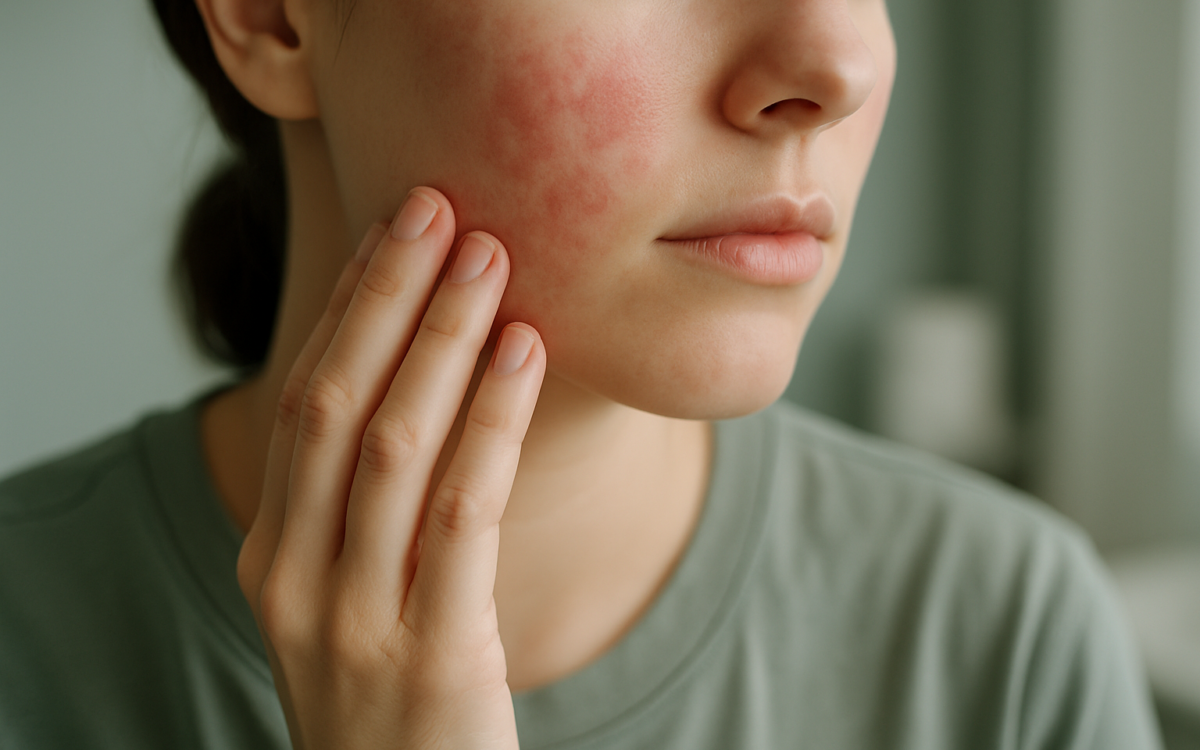
When your skin heals from an injury, acne, or other inflammation, you might notice a lingering redness that doesn’t seem to fade. This condition is known as post-inflammatory erythema (PIE). Though it isn’t harmful, it can be frustrating and affect self-esteem. Understanding what causes PIE and how to manage it can help you restore your skin’s appearance and confidence.
What is post-inflammatory erythema?
Post-inflammatory erythema is characterized by redness that remains after the skin has healed from an injury or inflammation, like acne. Unlike post-inflammatory hyperpigmentation, which causes dark spots, PIE leads to red or pink marks that can last for weeks or even months. This condition is more common in people with lighter skin tones, but it can affect anyone.
Common causes of post-inflammatory erythema
Understanding the causes of PIE can help in prevention and management. Here are some common triggers:
- Acne: Active breakouts or picking at pimples can lead to the inflammation that results in PIE.
- Injuries: Cuts, scrapes, or burns can leave behind redness after healing.
- Skin conditions: Conditions like eczema or psoriasis can cause inflammation that may lead to PIE.
- Allergic reactions: Contact dermatitis or other skin allergies may provoke inflammation and residual redness.
How does post-inflammatory erythema develop?
When your skin experiences an injury or inflammation, the body’s natural healing process kicks in. Blood vessels dilate to bring more blood to the area, which facilitates healing. However, once the inflammation subsides, some individuals may experience persistent redness as an after-effect of the healing process. This redness occurs because the skin’s coloration may take additional time to normalize.
How to prevent post-inflammatory erythema
Preventing PIE begins with proper skin care and managing existing skin conditions. Here are some strategies that may help:
- Gentle cleansing: Use a mild cleanser to avoid irritating the skin. Harsh products can worsen inflammation.
- Sun protection: Protecting your skin from sun exposure can help prevent further discoloration. Use broad-spectrum sunscreen and reapply regularly.
- Avoid picking: Resist the urge to pick at acne or injuries, as this can increase the risk of PIE.
- Hydrating products: Incorporating hydrating and soothing products can help restore skin moisture and resilience.
Treatment options for post-inflammatory erythema
While PIE often resolves on its own, several treatments may help accelerate healing and minimize its appearance:
- Topical treatments: Creams containing niacinamide, vitamin C, or other soothing ingredients can help diminish redness over time.
- Laser therapy: In some cases, procedures like pulsed dye laser therapy can effectively target and reduce redness.
- Chemical peels: Certain peels may help promote cell turnover, aiding in fading discoloration.
- Consultation with a dermatologist: Speaking with a skin care expert can ensure you receive personalized treatment options suited to your needs.
Everyday skincare for managing post-inflammatory erythema
Integrating gentle skincare practices into your daily routine can be pivotal in managing PIE and promoting healthy skin. Consider the following tips:
- Stay hydrated: Drinking water supports skin health, making it more resilient.
- Moisturize regularly: Keeping the skin well-moisturized can help maintain its barrier function.
- Choose non-comedogenic products: Selecting makeup and skincare labeled “non-comedogenic” can help prevent new acne breakouts.
- Be patient: Healing takes time, and managing expectations for skin recovery can help ease frustration.
When to see a doctor
If you notice that post-inflammatory erythema is persistent, worsening, or accompanied by other concerning symptoms, it may be wise to consult a doctor. Additionally, if you experience significant pain or discomfort, seeking medical advice can help determine if underlying conditions need attention. Your healthcare provider can offer tailored strategies and treatment options suitable for your skin.
Conclusion
Post-inflammatory erythema may be a common skin issue, but it can cause understandable concern for those affected. By understanding its causes, preventive measures, and treatment options, you can take proactive steps to manage your skin’s appearance. Remember, it’s important to consult a healthcare professional or dermatologist for personalized guidance, especially if you have ongoing concerns. Embrace your journey towards healthier skin, knowing that help and support are available.
