
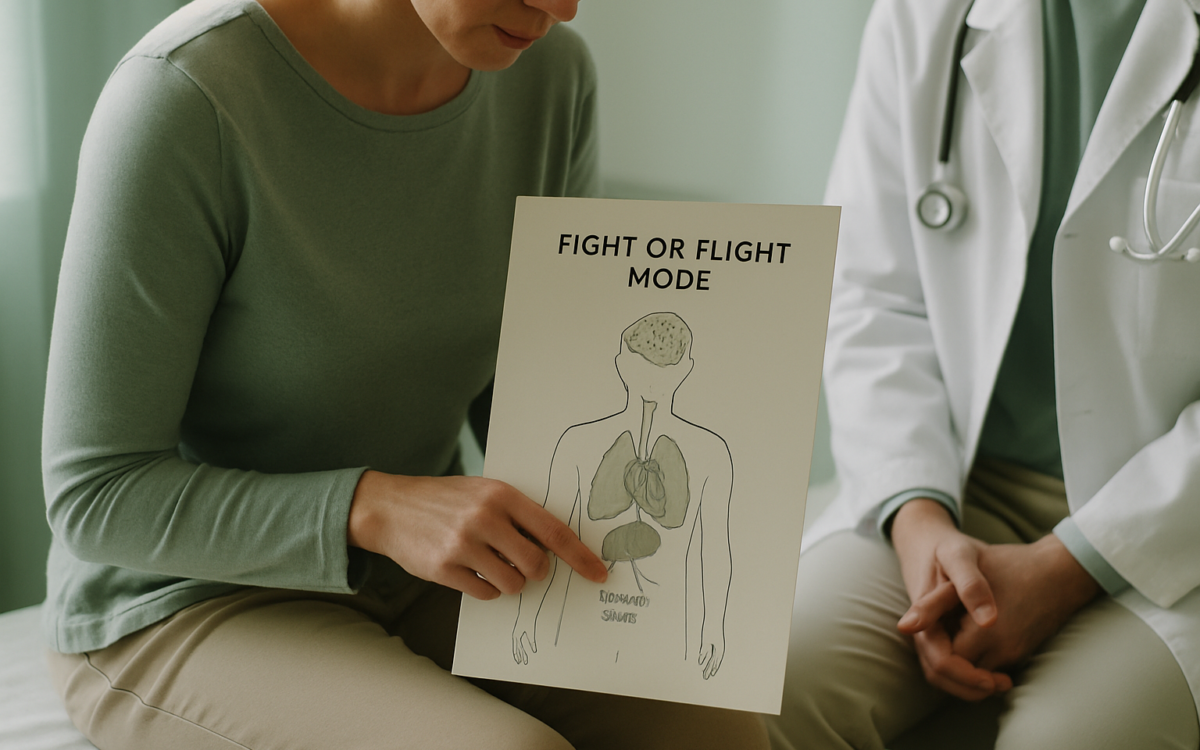
Have you ever felt your heart race, your palms sweat, or your breath quicken in response to a stressful situation? You’re not alone. This reaction is part of our body’s natural defense mechanism known as the fight or flight response. Understanding this instinctive process can help us navigate stress more effectively and promote better overall wellness.
What Is Fight or Flight Mode?
The fight or flight response, also known as the acute stress response, is an automatic reaction to perceived threats or danger. It was first described by physiologist Walter Cannon in the early 20th century. When faced with danger, our brain triggers a series of physiological responses that prepare us to either confront (fight) or escape (flight) from the threat.
The Biological Mechanism Behind the Response
When we experience a stressful event, our body releases hormones such as adrenaline and cortisol. These hormones lead to a number of changes:
- Increased heart rate: This helps pump more blood to the muscles, ensuring they receive enough oxygen for quick movement.
- Rapid breathing: This allows for increased oxygen intake, which prepares the body for physical exertion.
- Heightened senses: Our senses sharpen, which helps us notice potential dangers more quickly.
- Energy surge: Glucose is released into the bloodstream, providing a quick energy source.
These changes enable us to react swiftly in dangerous situations. However, in modern life, our stressful triggers often stem from non-life-threatening issues like work, relationships, or financial worries.
The Impact of Chronic Stress
While the fight or flight response is essential for survival, constant activation can lead to chronic stress. This can have several negative effects on our health:
- Increased anxiety: When the body is always in a heightened state of alertness, feelings of anxiety and nervousness can become commonplace.
- Physical health problems: Chronic stress can contribute to serious health issues, including heart disease, digestive problems, and a weakened immune system. The NIH suggests that prolonged stress can lead to inflammation and other health complications.
- Mental health challenges: Ongoing stress can exacerbate conditions like depression and anxiety disorders.
Triggers of Fight or Flight Mode in Daily Life
In today’s world, it’s common to find ourselves experiencing the fight or flight response without facing an actual physical threat. Here are some common triggers:
- Work stress: Deadlines, heavy workloads, and workplace conflicts can evoke significant stress.
- Relationship issues: Arguments or unresolved conflicts with loved ones can incite feelings of threat.
- Financial concerns: Worries about bills, debts, or job security can trigger anxiety.
Recognizing these triggers can help individuals take steps to manage their stress responses more effectively.
Strategies to Manage Stress and Reduce Fight or Flight Activation
There are several techniques that can help calm the body’s stress response and restore a sense of balance:
- Practice relaxation techniques: Activities like deep breathing, meditation, or yoga can help trigger the body’s relaxation response, which counters fight or flight.
- Get regular exercise: Physical activity is a natural way to reduce stress levels while improving overall health.
- Establish a support system: Talking to friends, family, or mental health professionals can provide support and help process feelings of stress.
- Mindfulness practices: Engaging in mindfulness helps individuals stay present and reduces anxiety about future threats.
According to the Mayo Clinic, committing to these strategies can significantly enhance your ability to cope with life’s challenges.
When to Seek Professional Help
For some, managing stress on their own may not be enough. It’s essential to recognize when professional help might be needed. Here are some signs to consider:
- Ongoing feelings of overwhelming anxiety or panic.
- Difficulty functioning in daily life (work, school, personal relationships).
- Physical symptoms such as headaches, fatigue, or stomach issues that persist.
- Increased reliance on substances, such as alcohol or caffeine, to cope with stress.
Consulting a healthcare provider or mental health professional can offer guidance and support tailored to your specific needs.
Conclusion
The fight or flight response is a vital part of our survival instinct. However, in a world filled with daily stressors, it’s crucial to manage this response effectively to maintain both mental and physical health. By understanding the mechanisms behind this response, recognizing triggers, and employing stress-reduction strategies, we can lead healthier, more balanced lives. If stress becomes overwhelming, don’t hesitate to reach out to a healthcare professional for support.
