
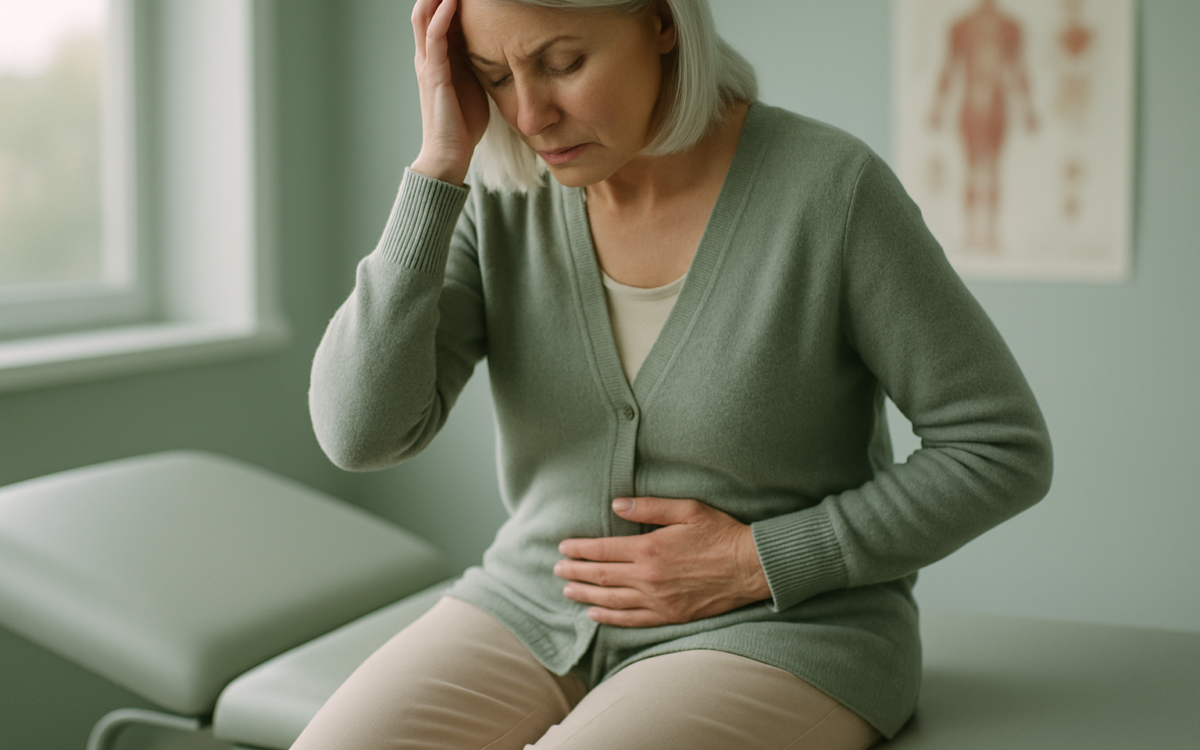
Menopause marks a significant transition in a woman’s life, typically occurring between the ages of 45 and 55. As estrogen levels decline, many women experience various symptoms that can affect their daily lives. Understanding post menopausal symptoms is essential for effectively managing this natural phase of life.
What Are Post Menopausal Symptoms?
Post menopausal symptoms refer to the physical and emotional changes that occur after a woman has completed menopause, which is defined as 12 consecutive months without a menstrual period. Some common symptoms include:
- Hot flashes: Sudden feelings of heat that can cause sweating and discomfort.
- Night sweats: Hot flashes that occur at night, often leading to sleep disturbances.
- Vaginal dryness: Decreased moisture in the vagina, which can cause discomfort during intercourse.
- Emotional changes: Fluctuations in mood, including irritability and anxiety.
- Urinary issues: Increased frequency of urination or urinary incontinence.
- Bone density loss: Increased risk of osteoporosis due to decreased estrogen levels.
How Long Do Symptoms Last?
The duration of post menopausal symptoms varies among women. Some may experience mild symptoms for a few years, while others may find them more persistent. Research shows that, on average, hot flashes can last anywhere from 7 to 10 years post-menopause, but in some cases, they can continue for more than a decade (NIH).
Managing Post Menopausal Symptoms
While post menopausal symptoms can be challenging, there are several strategies that may help lessen their impact:
Lifestyle Changes
Adopting healthier lifestyle choices can significantly alleviate symptoms. Here are a few suggestions:
- Stay active: Engaging in regular physical activity can improve mood, boost energy levels, and strengthen bones.
- Maintain a balanced diet: Eating a diet rich in fruits, vegetables, whole grains, and lean proteins can help support overall health.
- Stay hydrated: Drinking enough water can relieve some symptoms and help with dryness in the body.
- Avoid triggers: Certain foods, beverages, or situations may trigger hot flashes. Keeping track of these can be beneficial.
Medical Treatments
Consulting a healthcare provider is essential for women struggling with post menopausal symptoms. Various treatment options can be explored, tailored to individual needs. Hormone Replacement Therapy (HRT) can be an effective solution for relieving hot flashes and other symptoms but may carry risks, especially for women with breast cancer or heart disease. Other treatment options include:
- Non-hormonal medications: Certain antidepressants and medications like gabapentin can help with hot flashes.
- Vaginal moisturizers: These can reduce vaginal dryness and discomfort during intercourse.
- Alternative therapies: Acupuncture, yoga, and herbal remedies may offer relief for some women, although research is ongoing.
International Perspectives on Treatment
For women considering international treatment options, many facilities offer specialized care in women’s health, particularly for post menopausal management. Acibadem International provides a comprehensive approach to menopause, incorporating both medical and holistic strategies tailored to individual needs. Exploring such options can help women find relief from their symptoms in supportive environments.
Emotional Health Matters
Post menopausal symptoms can take a toll not just physically but also emotionally. Some women may experience heightened feelings of anxiety or depression. It’s crucial to acknowledge these emotional changes and seek support when needed. Consider these strategies for emotional well-being:
- Connect with others: Support groups can provide a safe space for sharing experiences.
- Mindfulness practices: Techniques like meditation or deep breathing can help manage stress and improve mood.
- Professional help: A therapist or counselor can provide coping strategies and emotional support.
When to See a Doctor
If post menopausal symptoms are significantly affecting your quality of life or if you experience unusual symptoms, it’s important to consult a healthcare provider. You should seek medical advice if you notice:
- Severe or persistent hot flashes.
- Heavy bleeding or spotting.
- Severe mood changes.
- Symptoms affecting daily activities or relationships.
Remember, it’s essential to consult a healthcare professional for personalized advice and treatment options.
Conclusion
Understanding post menopausal symptoms is key to navigating this life phase with grace and confidence. While there are challenges, a variety of management strategies can minimize their impact. Remember, you don’t have to face this transition alone; support and resources are available to guide you through.
