
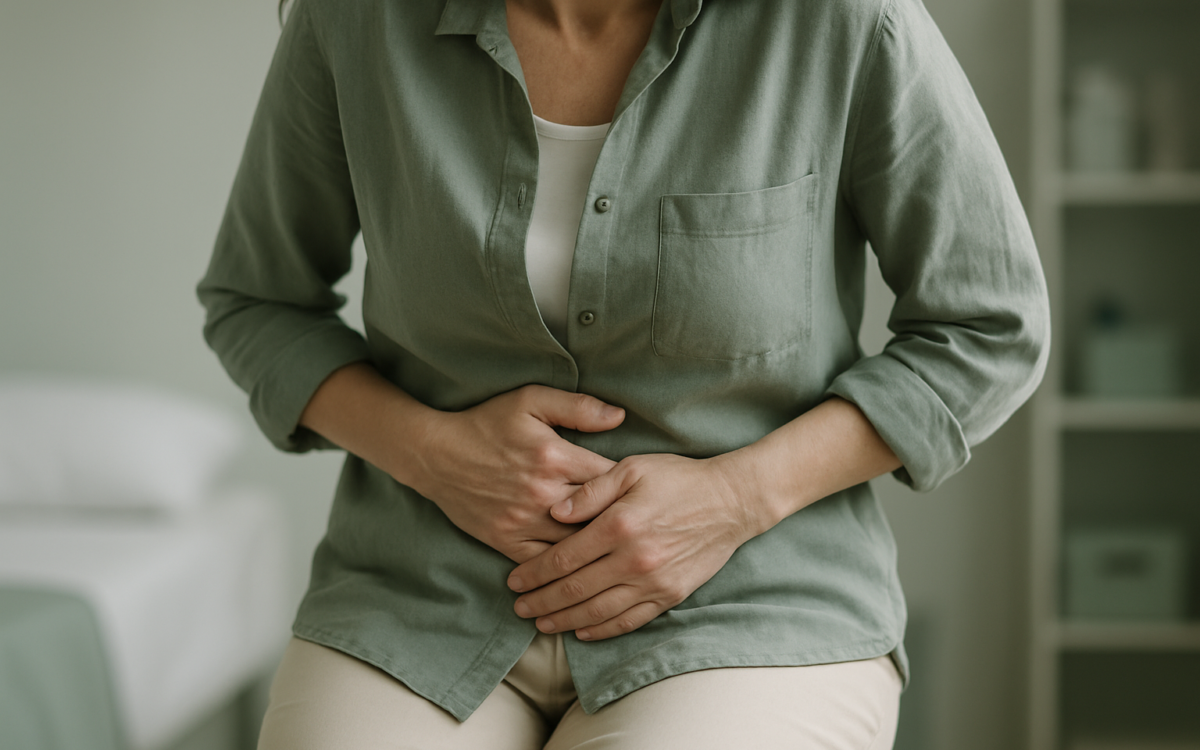
As women approach the transition to menopause, they may begin to notice various physical and emotional changes. This period is known as premenopause, and it can come with a range of signs and symptoms that can affect daily life. Understanding what to expect during this time can help women manage their health and well-being effectively.
What is Premenopause?
Premenopause refers to the time before a woman experiences menopause, defined as a full year without a menstrual period. It typically occurs in a woman’s 30s to 50s, although the exact timing can vary. During premenopause, hormone levels, particularly estrogen and progesterone, fluctuate, leading to changes that signal the approach of menopause.
Common Signs of Premenopause
Women may experience a variety of signs during premenopause, and these can vary widely from one person to another. Here are some of the most common symptoms:
- Irregular Menstrual Cycles: One of the first signs of premenopause may be changes in menstrual cycles. Periods may become irregular, lighter, or heavier.
- Hot Flashes: Many women report hot flashes, which are sudden feelings of warmth, often accompanied by sweating. They can occur at any time of day.
- Sleep Disturbances: Hormonal fluctuations can lead to difficulties falling asleep or staying asleep, resulting in fatigue and irritability.
- Mood Changes: Emotional fluctuations, including increased anxiety or mood swings, can be linked to hormonal changes during premenopause.
- Weight Changes: Some women notice weight gain, particularly around the abdomen, as hormonal levels shift.
- Decreased Libido: Changes in libido are common; some women may experience a lower sex drive during this phase.
The Role of Hormones
Hormones play a crucial role in premenopausal signs. The decrease in estrogen and progesterone levels can lead to various physical and emotional symptoms. Hormones are responsible for regulating nearly every aspect of bodily function, from mood to metabolism. When these hormones fluctuate or drop, it can impact overall health in numerous ways.
Managing Symptoms
While some symptoms of premenopause can be uncomfortable or distressing, there are various ways to manage them:
- Lifestyle Changes: Regular exercise, a balanced diet, and maintaining a healthy weight can significantly help manage symptoms.
- Stress Reduction: Techniques such as yoga, meditation, and deep-breathing exercises can alleviate stress and improve mood.
- Supplements and Nutrition: Some women find relief through dietary supplements such as omega-3 fatty acids or vitamins. Always consult a healthcare provider before starting any new supplements.
- Hormone Therapy: For some women, hormone replacement therapy (HRT) may be an option to consider. This should always be discussed with a healthcare professional, weighing the benefits against potential risks.
When to See a Doctor
It is important to consult a healthcare provider if you experience severe or persistent symptoms that affect your quality of life. Signs to watch for include:
- Excessive bleeding during periods
- Hot flashes that disrupt sleep
- Severe mood swings
- Unexplained weight gain or loss
- Changes in libido that concern you
Your healthcare provider can help evaluate your symptoms, recommend appropriate testing, and discuss treatment options that may help alleviate discomfort.
Conclusion
Understanding premenopausal signs is essential for women’s health and well-being. Recognizing these changes enables women to seek appropriate support and make informed decisions regarding their health. Remember, you are not alone, and countless resources are available to help navigate this transition. Always consult with your healthcare provider to discuss any symptoms or concerns you may have as you approach this new phase of life.
