
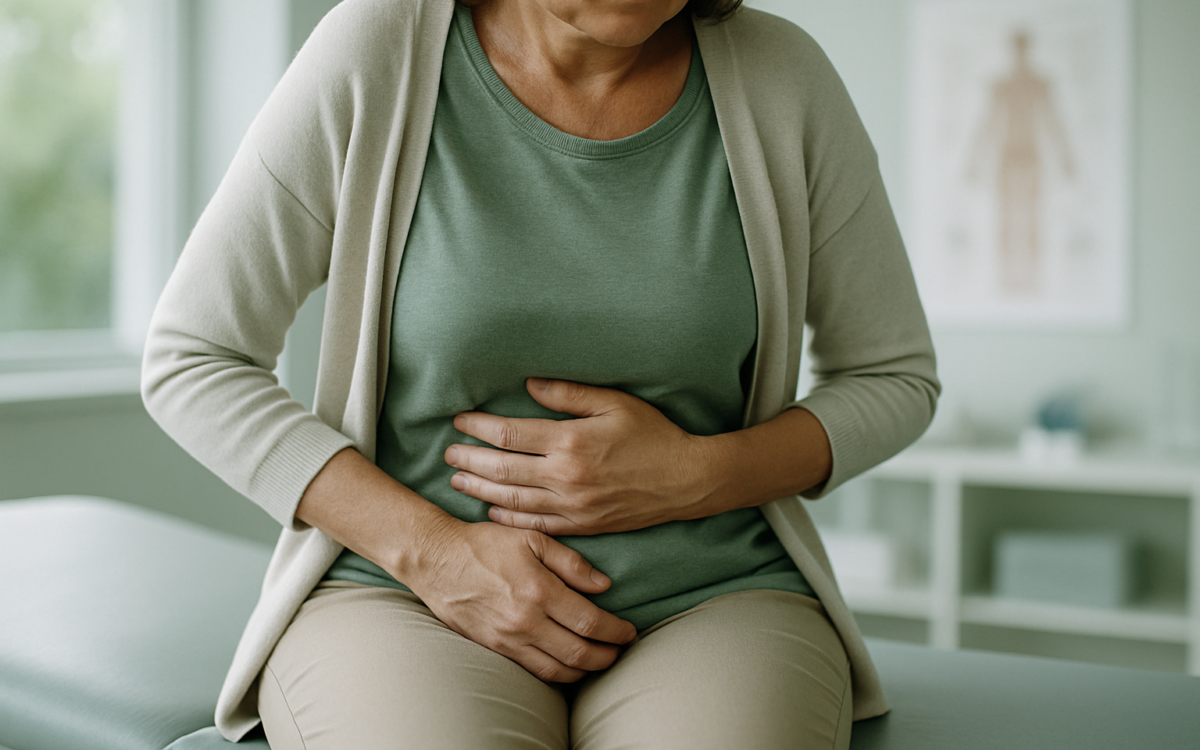
The years leading up to menopause can be a confusing time for many women. Often referred to as perimenopause, this transitional phase is characterized by a variety of symptoms due to hormonal changes in the body. Understanding these symptoms, their causes, and coping strategies is crucial for navigating this life stage with confidence.
What Are Premenopausal Symptoms?
Premenopausal symptoms occur as estrogen and progesterone hormone levels fluctuate and eventually decline. Each woman’s experience can be unique, with some experiencing mild symptoms while others may face more challenging changes. Common symptoms include:
- Irregular periods
- Hot flashes and night sweats
- Sleep disturbances
- Mood swings and emotional changes
- Weight gain or changes in metabolism
- Vaginal dryness and discomfort during intercourse
The Hormonal Shifts Behind the Symptoms
During the premenopausal phase, the ovaries produce less estrogen and progesterone, which can lead to the onset of the aforementioned symptoms. The fluctuation of these hormones can disrupt the body’s usual functions, causing various physical and emotional distress. According to the National Heart, Lung, and Blood Institute, the changes in hormone levels can affect not only menstrual cycles but also mood and overall quality of life.
Managing Physical Symptoms
While some women may find their symptoms manageable, others might require strategies to alleviate discomfort. Here are some practical approaches:
Diet and Nutrition
Eating a balanced diet rich in fruits, vegetables, and whole grains can support overall health during this transition. Foods high in calcium and vitamin D can help maintain bone health, which is particularly important as estrogen levels drop.
Exercise
Regular physical activity can boost mood, help with weight management, and reduce the severity of hot flashes. Activities might include walking, swimming, yoga, or strength training.
Stress Management
Stress can exacerbate many symptoms, so practices like mindfulness, meditation, or deep-breathing exercises can be beneficial. Finding time for relaxation and hobbies can help improve emotional well-being.
Understanding Emotional Changes
Emotional symptoms like anxiety, irritability, or mood swings are common during the premenopausal phase. These changes can stem from hormonal fluctuations but may also be influenced by life stressors or changes in one’s lifestyle, such as aging or caregiving.
Building a support network of friends, family, or support groups can create a safe space to share feelings and experiences. If these emotions become overwhelming, it might be helpful to speak with a healthcare professional.
Seeking Medical Guidance
While many women experience natural premenopausal symptoms, it’s important to differentiate normal changes from more serious health concerns. Regular gynecological check-ups can help monitor symptoms and overall health.
Possible Medical Options
For some women, hormone therapy might be suggested to manage severe symptoms. This option requires a thorough discussion with a healthcare provider to weigh the benefits and risks.
When to See a Doctor
If you experience severe symptoms that disrupt your daily life, it’s essential to reach out to a healthcare provider. Additionally, if menstrual irregularities are accompanied by heavy bleeding, extreme pain, or other unusual symptoms, professional guidance is warranted. The Mayo Clinic emphasizes the importance of addressing concerns early on for better health outcomes.
Conclusion
Premenopausal symptoms can be challenging but are a natural part of life for many women. Understanding these changes and knowing that management options are available can empower women during this transitional phase. Support from healthcare providers, along with lifestyle adjustments, can make a significant difference in quality of life.
