
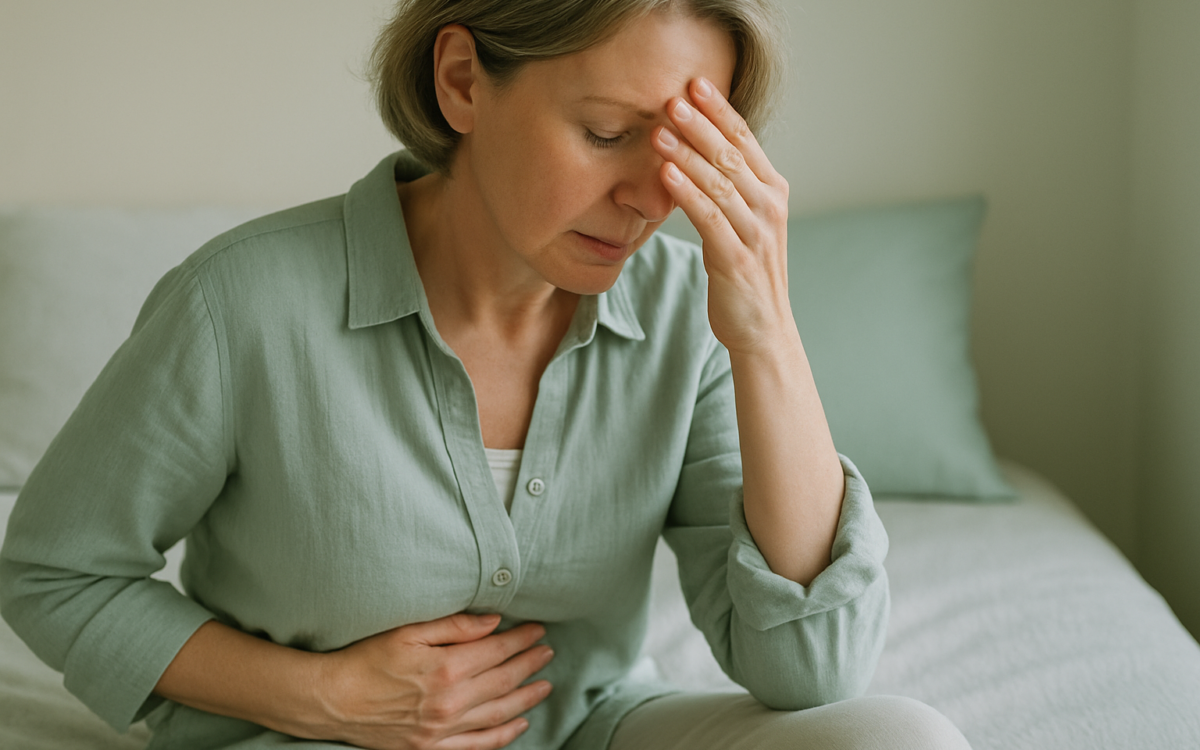
As women approach their late 30s and early 40s, they may start to notice subtle changes in their bodies that signal the beginning of premenopause. Premenopause is the period leading up to menopause, marked by hormonal fluctuations that can affect a woman’s physical and emotional well-being. This article explores common premenopause symptoms, their causes, and how to navigate this transitional phase.
What is Premenopause?
Premenopause refers to the time when a woman’s body begins the transition towards menopause, which officially occurs 12 months after a woman’s last menstrual period. During premenopause, estrogen and progesterone levels fluctuate, leading to a variety of symptoms as the body prepares for the cessation of menstruation.
Common Symptoms of Premenopause
While every woman’s experience is unique, several common symptoms may arise during premenopause:
1. Irregular Periods
One of the most noticeable signs of premenopause is changes in the menstrual cycle. Women may experience irregular periods, which can mean shorter or longer cycles, lighter or heavier flow, or skipped periods altogether.
2. Hot Flashes and Night Sweats
Hot flashes are sudden feelings of warmth that spread over the body, often most intense in the face, neck, and chest. Night sweats are similar but occur during sleep, potentially disrupting rest. Both symptoms stem from hormonal changes and can vary in intensity.
3. Mood Changes
Hormonal fluctuations can lead to changes in mood, which may include increased irritability, anxiety, or feelings of sadness. Such emotional symptoms can be challenging, impacting daily life and relationships.
4. Sleep Disturbances
Many women report difficulties sleeping during premenopause. This may be due to night sweats, hormonal changes, or stress related to other physical symptoms. Poor sleep can then exacerbate mood swings and fatigue.
5. Decreased Libido
As hormonal levels shift, many women may experience changes in sexual desire. A reduced libido can be a normal part of premenopause, but it may also be influenced by mood changes and other symptoms.
6. Physical Changes
Several physical changes can also occur during this time. Women might notice weight gain, changes in skin elasticity, and increased vaginal dryness. These symptoms result from lower estrogen levels and can affect comfort and confidence.
What Causes Premenopause Symptoms?
The symptoms of premenopause are primarily driven by hormonal changes in the body. As a woman ages, her ovaries gradually produce less estrogen and progesterone. This shift can disturb the delicate balance of hormones, leading to the various symptoms discussed above. Other factors, such as stress, lifestyle choices, and underlying health conditions, can also influence the severity of symptoms.
Managing Premenopause Symptoms
There are several strategies that women can consider to manage premenopause symptoms:
- Healthy Lifestyle Choices: Regular exercise, a balanced diet, and adequate sleep can help mitigate some symptoms.
- Stress Management: Techniques such as yoga, meditation, or counseling can be beneficial for emotional well-being.
- Support Network: Talking to friends, family, or support groups can provide comfort and practical advice during this transition.
- Consult with a Healthcare Provider: A doctor can offer guidance and, if necessary, discuss treatment options, including hormone therapy or medications.
When to See a Doctor
If symptoms are severe, persistent, or significantly impact your quality of life, it’s essential to consult a healthcare provider. They can help distinguish between normal premenopause symptoms and other conditions that may require treatment. Regular check-ups are a good opportunity to discuss any concerns and explore management options.
Conclusion
Premenopause is a natural stage in a woman’s life that can bring various physical and emotional changes. By understanding the common symptoms and their underlying causes, women can better prepare and manage this transitional phase. Remember, while these symptoms can be frustrating, they are a normal part of life’s journey. Open communication with healthcare professionals can provide valuable support, making this transition smoother and more manageable.
