
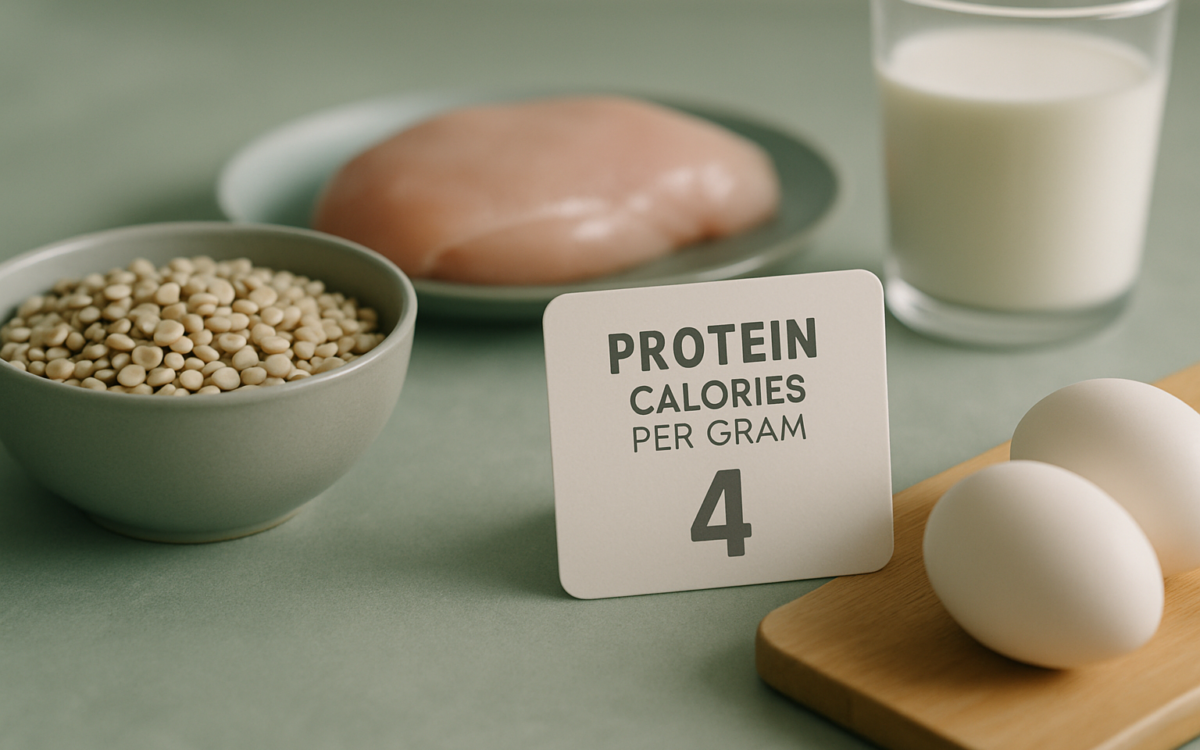
Protein is a vital nutrient that plays a crucial role in building and repairing tissues in the body. As you consider incorporating more protein into your diet, understanding how many calories each gram of protein contains can help you make informed choices about what you eat. In this article, we’ll delve into the specifics of protein calories per gram, how protein fits into a balanced diet, and the best sources of protein for your health.
What are calories and why do they matter?
Calories are a unit of measurement for energy. Every food you eat provides a certain number of calories, which your body uses as fuel for daily activities. Understanding how calories work is essential for maintaining a healthy weight and ensuring that your body has the energy it needs to function properly.
How many calories are in protein?
One gram of protein contains approximately 4 calories. This means that when you consume protein, these calories contribute to your overall daily energy intake. Comparing this with fats, which have approximately 9 calories per gram, and carbohydrates, which also have about 4 calories per gram, you can see how protein fits into the larger picture of your nutrition.
Why is protein important for your health?
Protein is essential for several reasons:
- Tissue repair: Protein helps repair and rebuild tissues, which is especially important after exercise or injury.
- Muscle health: Proteins are crucial for building and maintaining muscle mass. This is important for everyone, but especially for older adults who may experience muscle loss.
- Hormone production: Many hormones are proteins, and they play vital roles in regulating various bodily functions.
- Immune function: Proteins are necessary for the production of antibodies that help your body fight infections.
How much protein do you need?
The amount of protein a person needs can vary based on factors such as age, sex, activity level, and overall health. The Recommended Dietary Allowance (RDA) suggests that adults should aim for about 46 grams of protein per day for women and 56 grams for men. However, those who are physically active may require more protein to support muscle repair and growth.
Best sources of protein
There are many sources of protein available, both animal-based and plant-based. Here are some excellent options:
Animal-based sources
- Chicken breast
- Turkey
- Fish (like salmon and tuna)
- Lean cuts of beef and pork
- Dairy products (milk, yogurt, cheese)
Plant-based sources
- Legumes (lentils, chickpeas, beans)
- Nuts and seeds (almonds, chia seeds, flaxseeds)
- Tofu and tempeh
- Quinoa and other whole grains
- Vegetables (like broccoli and spinach, though less concentrated)
Incorporating a variety of these protein sources into your diet can help you meet your protein needs while also providing other essential nutrients.
How to track your protein intake
Tracking protein intake can be beneficial, especially if you are trying to increase your consumption for fitness or health goals. Here are a few strategies to consider:
- Food diaries: Keep a log of what you eat each day, noting the sources and amount of protein.
- Nutrition apps: Use apps that calculate your protein intake based on the foods you consume.
- Label reading: Look at nutrition labels to find out how much protein is in packaged foods.
Being mindful of your protein intake can help you better understand how it fits into your overall nutrition and health goals.
When to see a doctor
If you are considering making significant changes to your diet or are unsure if you are getting enough protein, consulting with a healthcare professional or a registered dietitian can provide personalized guidance. Additionally, if you experience symptoms of protein deficiency, such as fatigue, weakness, or hair loss, it’s important to seek professional help.
Conclusion
Understanding protein calories per gram is an essential part of managing your nutrition. With approximately 4 calories per gram, protein plays a significant role in your overall Diet. By knowing how much protein you need and where to find the best sources, you can make informed dietary choices that support your health. Remember, balancing protein with other nutrients is key to a well-rounded diet. Embrace protein in your meals and snacks, and you’ll be on the path to better health!
