
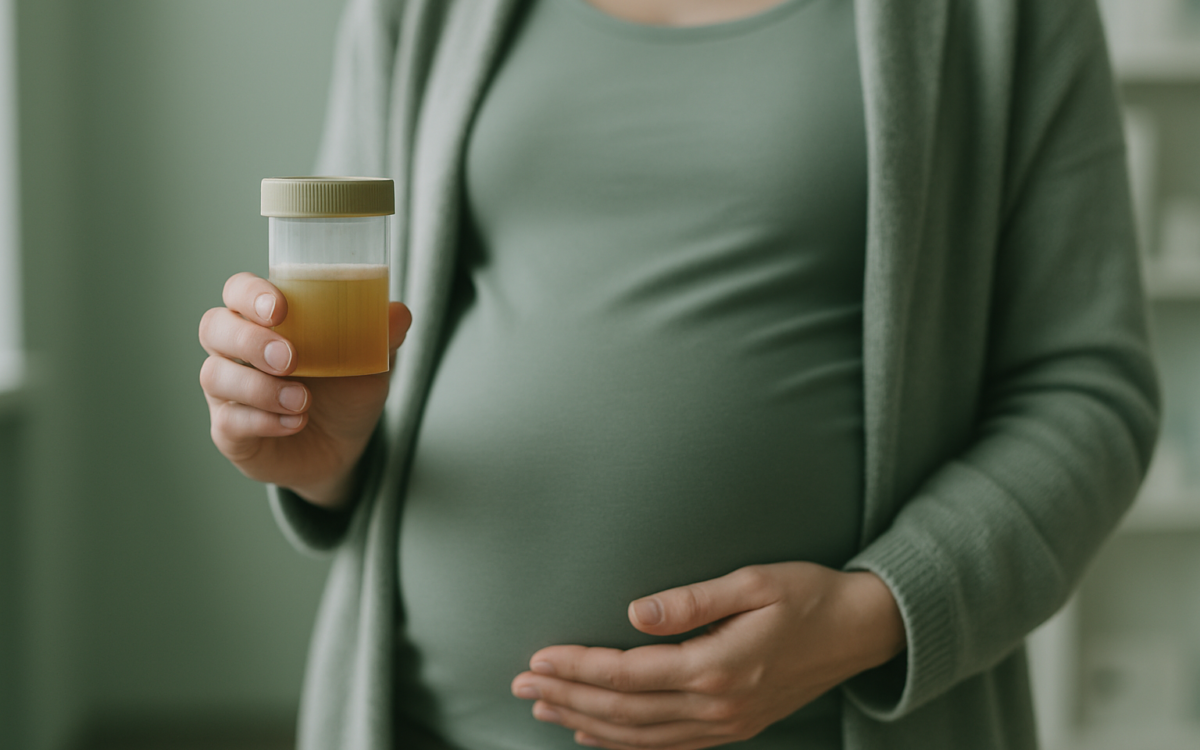
Pregnancy is a beautiful journey filled with excitement and anticipation. However, it can also come with its own set of health concerns. One such concern is the presence of protein in urine, which can be a key indicator of various health issues, some of which may require attention. Understanding what protein in urine means, especially for pregnant women, can help ease worries and contribute to a healthier pregnancy.
What does protein in urine indicate?
Protein in urine, a condition also known as proteinuria, means that there is an abnormal amount of protein present in a person’s urine. In healthy individuals, the kidneys filter blood to remove waste while keeping essential substances, like proteins, in the bloodstream. However, if the kidneys are not functioning properly due to various reasons, protein can leak into the urine. For pregnant women, the presence of protein in urine can be symptomatic of several conditions.
The causes of protein in urine during pregnancy
During pregnancy, there are a few common causes of protein in urine:
- Normal bodily changes: It is natural for pregnant women to have some level of protein in their urine due to the increased workload on the kidneys. This is typically a mild and temporary condition.
- Preeclampsia: This serious condition usually occurs after the 20th week of pregnancy and is characterized by high blood pressure and signs of damage to other organs, commonly the kidneys. Preeclampsia can lead to serious complications for both mother and baby if not properly managed.
- Gestational hypertension: Similar to preeclampsia, this condition also involves high blood pressure but without the organ damage associated with preeclampsia. Protein in urine can sometimes accompany this condition.
- Kidney issues: Pregnant women may also have pre-existing kidney problems that can lead to increased protein in urine. Conditions like kidney infections or glomerulonephritis can cause proteinuria.
How is protein in urine detected?
Doctors usually check for protein in urine during routine prenatal visits. The test is simple: you provide a urine sample, which is then analyzed for protein content. In some cases, your provider might advise additional tests and monitoring, depending on the results.
Here are some common testing methods:
- Dipstick test: A simple test performed at the doctor’s office that uses a special strip that changes color in the presence of protein.
- 24-hour urine collection: For a more comprehensive assessment, a 24-hour urine sample may be collected to measure the total protein level.
Potential risks and complications
While some protein in urine can be harmless, high levels can indicate more severe issues, particularly preeclampsia. If left unchecked, preeclampsia can lead to critical complications such as:
- Placental abruption: A serious condition where the placenta peels away from the uterus, leading to bleeding and danger to both mother and baby.
- Preterm birth: The risks associated with preeclampsia may compel healthcare providers to deliver the baby earlier than expected.
- Organ damage: Severe preeclampsia can lead to health issues for the mother, affecting her liver, kidneys, and central nervous system.
- Low birth weight: Infants born to mothers with untreated preeclampsia may have low birth weight, which can have long-term health implications.
Managing protein in urine during pregnancy
If protein is detected in your urine, your healthcare provider will likely monitor your health closely. Depending on the situation, they may suggest:
- Regular check-ups: Frequent visits may help monitor blood pressure and urine protein levels.
- Dietary changes: Eating a balanced diet, particularly rich in nutrients and low in sodium, can benefit overall health during pregnancy.
- Stress management: Reducing stress through relaxation techniques like yoga, meditation, or gentle exercise can be beneficial for blood pressure and overall wellbeing.
- Medication: In some cases, your doctor may prescribe medications to manage blood pressure or other symptoms.
When to see a doctor
While routine check-ups can catch most issues, it’s important to monitor and report any unusual symptoms to your healthcare provider. Seek medical advice immediately if you experience:
- Severe headaches that do not go away
- Vision changes like blurred or double vision
- Sudden swelling in your hands, feet, or face
- Abdominal pain or upper right side pain
- Shortness of breath or difficulty breathing
Conclusion
Protein in urine during pregnancy can be a cause for concern, but understanding its implications is essential. While certain levels may be harmless, others necessitate close medical supervision, especially in relation to preeclampsia. Remember to keep open lines of communication with your healthcare provider, follow recommended prenatal care, and address any unusual symptoms promptly. By staying informed and vigilant, you can navigate your pregnancy healthily and confidently.
For more detailed information, refer to trusted sources like the NIH and the CDC.
