
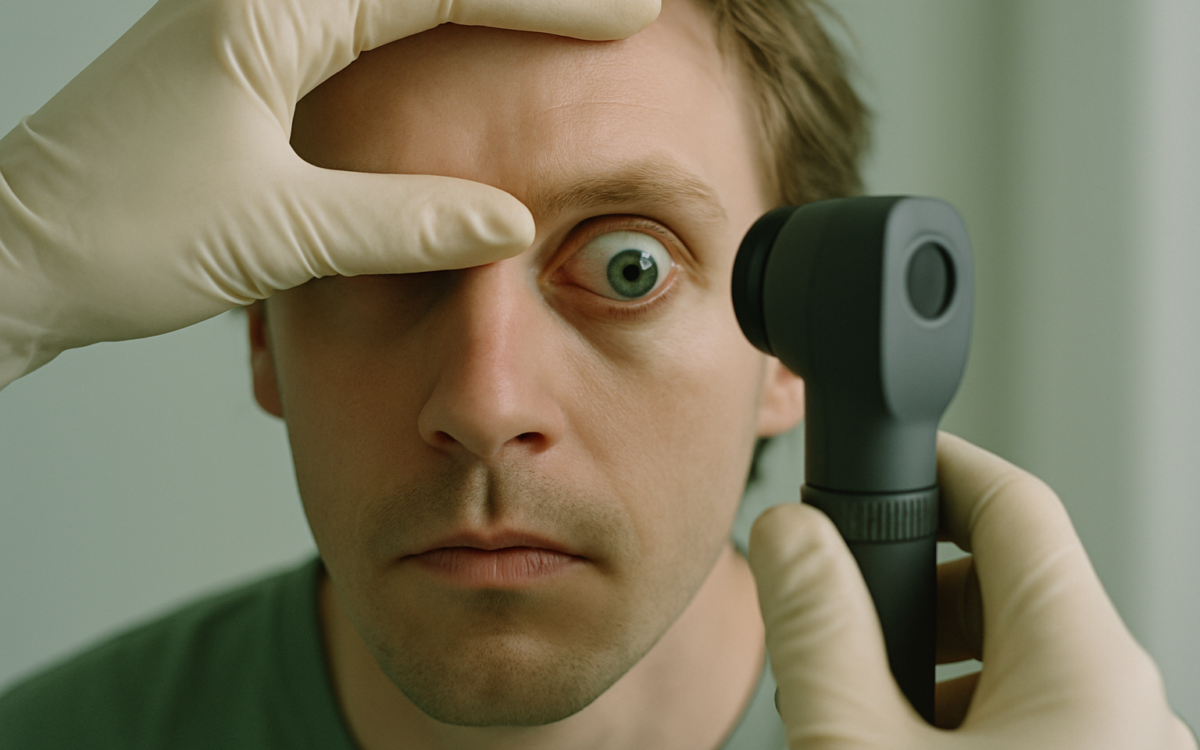
Have you ever felt uneasy when someone gazed deep into your eyes? Or perhaps you’ve noticed a friend’s eyes light up with joy? These moments are tied to a fascinating concept known as “psycho eyes.” This term generally describes how our eyes express emotions, communicate feelings, and reflect psychological states. Understanding psycho eyes can enhance our awareness of ourselves and those around us, leading to better emotional connections and insights into mental health.
The Eye: A Window to Emotions
Eyes are often dubbed the “windows to the soul,” and for good reason. Research shows that our eyes can convey a wide range of emotions—happiness, sadness, anger, and even fear. For example, when someone is happy, their eyes might sparkle, and their pupils may dilate. In contrast, narrowed eyes can indicate suspicion or anger.
Scientists have explored this connection in depth. Studies indicate that gaze direction—whether we look directly at someone or avert our eyes—can signal our emotional state. Direct eye contact is often associated with confidence and friendliness, while avoiding eye contact can suggest anxiety or discomfort (source: NIH).
Non-verbal Communication Through Eye Movements
Beyond basic emotions, psycho eyes play a significant role in non-verbal communication. Facial expressions often go hand in hand with eye movements to convey complex feelings. For instance, raised eyebrows combined with wide-open eyes may express surprise, whereas downturned eyes and furrowed brows can indicate disapproval or introspection.
Eye movements can serve as a social signal. For example, making eye contact during a conversation can create a sense of trust and connection. It encourages engagement, showing that you are actively listening and interested in what the other person is saying. Conversely, prolonged staring can come off as aggressive or intimidating, highlighting the delicate balance we navigate in social interactions.
Health Insights from Eye Behavior
Our eyes don’t just reflect emotions; they can also provide clues about our overall health. The appearance and function of our eyes can indicate various physical and mental health issues. For example:
- Bloodshot eyes may suggest lack of sleep, allergies, or infections.
- Puffy eyes could signal poor diet or dehydration.
- Sunken eyes may indicate fatigue or illness.
Additionally, conditions like anxiety and depression can manifest physically, affecting how our eyes react. Someone dealing with anxiety might exhibit rapid eye movements or an inability to maintain eye contact, while someone experiencing depression might have dull or unfocused eyes.
Health professionals often assess eye behavior as part of a broader examination to gauge a patient’s mental health and overall well-being (reference: Mayo Clinic).
Eye Contact and Mental Health
The relationship between eye contact and mental health is profound. For individuals with social anxiety disorder, the mere act of making eye contact can be overwhelming. In therapeutic settings, practitioners may work with clients to gradually improve their eye contact and comfort level. This is aimed at building social skills and enhancing self-confidence.
Conversely, people with certain neurodevelopmental disorders, such as autism spectrum disorder, may find direct eye contact challenging. Understanding these intricacies allows us to be more empathetic and patient with those who struggle to maintain eye contact.
Engaging with these dynamics can also lead to improved mental health for both parties. The more we understand how our expressions and eye behaviors affect communication, the better we can connect with others and foster positive relationships.
The Impact of Cultural Differences on Eye Communication
Cultural backgrounds significantly influence how we interpret eye behavior. In Western cultures, direct eye contact is often seen as a sign of attentiveness and respect. However, in some Asian cultures, maintaining eye contact can be viewed as rude or disrespectful.
This variability emphasizes the need for cultural sensitivity in understanding psycho eyes. What may be interpreted as confidence in one context could be misinterpreted as disrespect in another. Being aware of these differences can enhance cross-cultural communication and prevent misunderstandings.
Recognizing and Interpreting Psycho Eyes in Daily Life
To enhance our social interactions, we can practice recognizing psycho eyes in everyday scenarios. Here are some tips for interpreting eye behaviors:
- Observe the size of pupils: They can reflect excitement or fear.
- Pay attention to darting eyes, which may indicate anxiety or distraction.
- Notice if a person leans in when making eye contact—this often signifies interest or engagement.
Practicing these observations allows us to connect more meaningfully with those around us while also fostering emotional intelligence within ourselves.
When to See a Doctor
If you notice significant changes in your eyes or how they react to emotions or situations, it might be time to consult a healthcare professional. Any persistent issues such as red or watery eyes, noticeable changes in vision, or discomfort should be evaluated. A mental health professional can help address emotional or psychological challenges linked to eye behavior.
Understanding psycho eyes enriches our lives by deepening our emotional connections and providing insights into our own mental health. By being mindful of how our eyes convey feelings, we can navigate social interactions with more compassion and clarity.
