
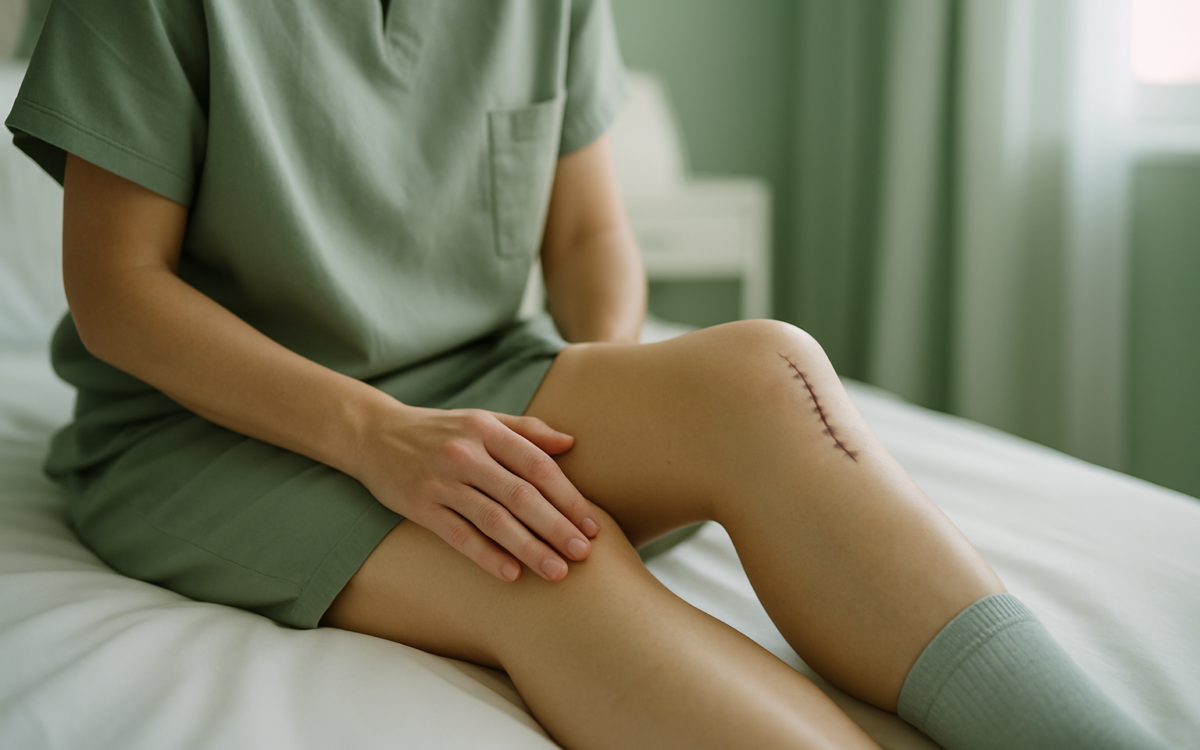
Undergoing knee surgery can be a significant decision for many individuals, often resulting from conditions such as arthritis, injuries, or worn-out joints. Understanding the recuperation time and the recovery process is essential for setting realistic expectations and ensuring a smooth healing journey. Each person’s situation is unique, and several factors influence how long it will take to recover fully.
What to Expect: Initial Recovery Phase
Most knee surgeries, whether they involve arthroscopy, partial replacements, or total knee replacements, typically require a recovery phase that can span several weeks. Initially, your body will focus on healing the surgical site. This period usually lasts from a few days to several weeks, depending on the complexity of the procedure.
During the first few days post-surgery, patients are often encouraged to rest, elevate their legs, and apply ice to reduce swelling. It’s common to experience pain and discomfort, which can usually be managed with prescribed medications or over-the-counter pain relievers.
Timeline for Recovery: From Weeks to Months
The overall recuperation time can vary significantly based on the type of surgery and the individual’s health condition. Here are some general timelines:
- Arthroscopic Surgery: Recovery typically takes about 1 to 3 weeks. Patients can often return to light activities soon after the procedure.
- Partial Knee Replacement: The healing process usually spans 3 to 6 weeks, with many returning to normal activities within a couple of months.
- Total Knee Replacement: This procedure can require a recovery period of 3 to 6 months, although some individuals may find it takes a year or more to feel completely healed.
Following your doctor’s advice on weight-bearing restrictions during this time is critical. Individuals might use crutches or a walker until they gain adequate strength and balance.
The Role of Physical Therapy
Physical therapy (PT) plays a crucial role in postoperative recovery. A rehabilitation program is typically introduced early in the recovery process, starting with gentle exercises to regain range of motion. As healing progresses, the intensity of therapy will increase to strengthen the muscles around the knee.
Patients can expect to see their physical therapist several times a week initially, progressing to less frequent sessions as they gain strength and confidence in their movements. Consistent participation in physical therapy can significantly enhance recovery speed and outcomes.
Factors That Influence Recovery Time
Several factors can impact recuperation time after knee surgery, including:
- Age: Older patients may experience longer recovery times due to differences in healing processes.
- Overall Health: Pre-existing health conditions, such as obesity or diabetes, can extend the recuperation period.
- Type of Surgery: More extensive surgeries generally require longer recovery times compared to less invasive procedures.
- Adherence to Rehabilitation: Following a prescribed rehabilitation program is essential for minimizing recovery time.
Self-Care Strategies for a Smoother Recovery
There are several self-care strategies that can aid in recovery:
- Rest: Avoid overexertion, and give your body the rest it needs to heal.
- Elevation: Keep your leg elevated to help reduce swelling.
- Ice Therapy: Apply ice packs to the knee for 15-20 minutes several times a day to manage swelling and pain.
- Nutrition: A healthy diet can support the healing process; focus on foods rich in vitamins and minerals.
- Stay Hydrated: Adequate hydration is also essential for healing.
Long-Term Recovery: Beyond the Initial Months
While the first few months of recovery are crucial, many patients will continue to realize improvements in strength and mobility for up to a year after surgery. Engaging in low-impact activities, such as swimming or cycling, can promote long-term joint health and prevent stiffness.
It’s important to keep monitoring your progress and communicate with your healthcare team about any concerns. Balanced activity levels and ongoing exercise are vital components of a successful recovery plan.
When to See a Doctor
If you experience any of the following, you should reach out to your healthcare provider:
- Increased pain or swelling in the knee that does not improve.
- Signs of infection, such as redness, warmth, or drainage from the surgical site.
- Fever over 101°F (38.3°C).
- Inability to move the knee or bear weight after several weeks of recovery.
Conclusion
Recuperation time for knee surgery is not a one-size-fits-all timeline. It is influenced by various factors, including the type of surgery, your overall health, and commitment to rehabilitation. By understanding what to expect and following self-care recommendations, you can enhance your recovery process. Always consult your healthcare provider for personalized rehabilitation plans and advice. For more detailed information about knee surgery and recovery, visit resources such as Mayo Clinic and NIH/NLM.
