
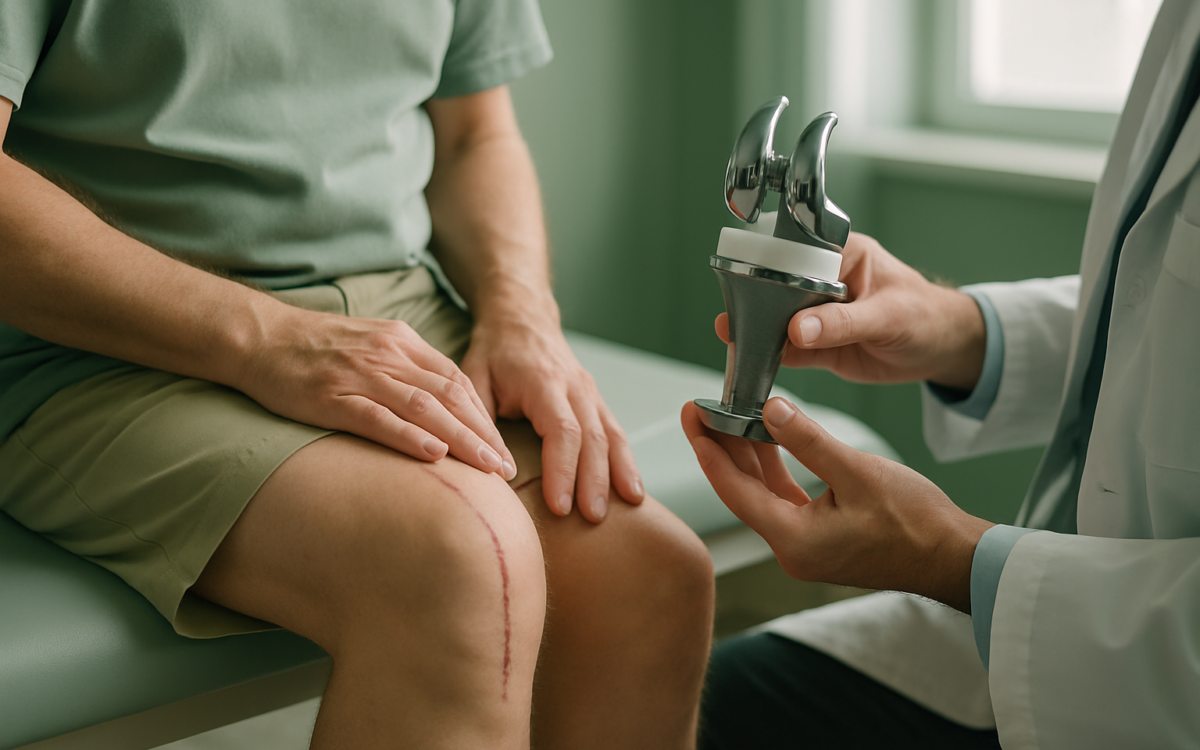
Knee pain can significantly affect your daily life, limiting your mobility and enjoyment of activities. For many individuals, conservative treatments like physical therapy and medication may not provide sufficient relief. In such cases, a right knee replacement could be the answer to restoring better function and quality of life.
What is a right knee replacement?
A right knee replacement surgery involves removing damaged cartilage and bone from the knee and replacing it with artificial components, known as prosthetics. This procedure aims to relieve pain and restore movement in individuals suffering from severe knee arthritis or injury. Knee replacements are commonplace for patients who have not found relief from other treatments.
Reasons for knee replacement
There are several reasons why a right knee replacement may become necessary:
- Osteoarthritis: This is the most common cause. It leads to wear and tear of the cartilage in the joints.
- Rheumatoid arthritis: An autoimmune disorder that results in inflammation and damage to joints.
- Knee injuries: Serious injuries, such as fractures, can lead to changes in the knee that make replacement necessary.
- Other conditions: Conditions like avascular necrosis or hemophilia can also affect the knee joint and lead to deterioration.
Preparing for surgery
Preparation is key to a successful right knee replacement. Here’s what you can expect:
- Consultation: Meet with your orthopedic surgeon to discuss your condition, treatment options, and whether surgery is right for you.
- Imaging tests: X-rays or MRIs may be necessary to assess the extent of damage in your knee.
- Medical evaluation: A thorough health evaluation will be conducted to ensure you are fit for surgery. This may include blood tests and a review of your medical history.
- Home arrangement: Prepare your home for recovery by removing tripping hazards and arranging for help during the early weeks post-surgery.
The knee replacement procedure
The surgery typically lasts for about one to two hours. Here’s a brief overview of the steps involved:
- Anesthesia: General or regional anesthesia will be administered, allowing you to feel no pain during the procedure.
- Incision: The surgeon makes an incision over the knee to access the joint.
- Removal of damaged components: The damaged cartilage and bone are removed from the knee joint.
- Placement of prosthesis: The artificial joint is positioned, which may be made from metal, plastic, or ceramic materials.
- Closing the incision: The surgeon will close the incision with stitches or staples, and the knee will be bandaged.
Recovery from right knee replacement
Recovery from knee replacement surgery often spans several months and varies from person to person. Here’s what to expect:
- Initial recovery: You’ll likely spend a few days in the hospital, where you will begin rehabilitation, focusing on physical therapy to regain mobility and strength.
- At home: Adhere to your doctor’s recovery plan, continue physical therapy, and slowly increase your activity level.
- Long-term recovery: Full recovery can take up to six months or longer. Most people experience significant improvement in pain and function over time.
Staying engaged in rehabilitation and following your doctor’s guidance is essential for optimal recovery.
When to see a doctor
If you experience any of the following symptoms after knee surgery, it is important to consult your doctor:
- Increased pain or swelling that does not improve with rest
- Fever or chills, which could indicate an infection
- Changes in knee function, such as inability to bend or straighten it
- Persistent numbness or tingling in the leg
Conclusion
A right knee replacement can be a life-changing procedure for those suffering from severe knee pain and limited mobility. By understanding the reasons for surgery, how to prepare, the procedure itself, and what to expect during recovery, you can approach this significant decision with more confidence. Always remember to consult your healthcare provider for tailored advice and to address any concerns.
